Back to blog
Article
Container Kitchen and Bathroom House
Admin September 15, 2026
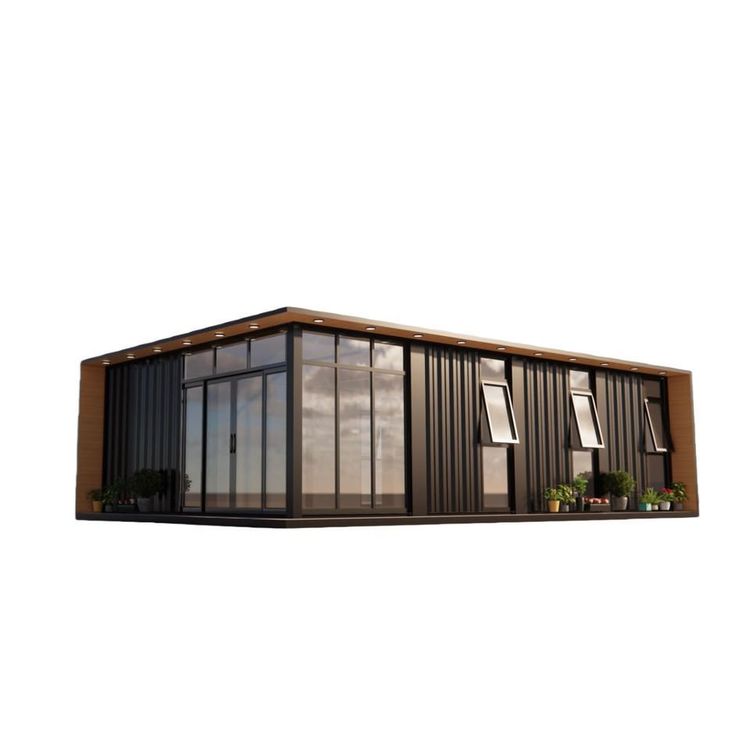
A container kitchen and bathroom house is a modular house that uses a container as a carrier, integrating kitchen and bathroom functions. It has the characteristics of rapid construction, mobility, and relatively low cost, and is often used in scenarios such as temporary living, construction site dormitories, and emergency housing.

I. Basic Structure and Types
Container kitchen and bathroom houses usually take standard containers as the basic framework and integrate kitchen and bathroom functions through internal renovation. According to differences in purpose and design, they can be divided into the following types:
- Basic Type: Divide kitchen and bathroom areas within a single container, equipped with simple stoves, sinks, toilets, shower facilities, etc. It is suitable for temporary construction on construction sites or short-term living.
- Expanded Type: Increase living space or functional partitions by connecting multiple containers or adopting expandable structures (such as double-wing folding designs). For example, additional bedrooms or living rooms can be added, making it suitable for long-term use by families or teams.
- Customized Type: Adjust the internal layout according to user needs, such as adding storage space, optimizing water and electricity lines, or using special materials like fireproof and soundproof materials to meet the personalized needs of scenarios such as cultural tourism homestays and elderly care residences.
II. Core Features
- Rapid Construction and Mobility: Container kitchen and bathroom houses adopt a modular design. Prefabricated components are assembled on-site after being manufactured in the factory, resulting in a short construction period and less wet work. Their structures can be repeatedly disassembled and assembled, facilitating relocation or turnover use and reducing long-term costs.
- Cost Advantage: Compared with traditional buildings, container houses have lower material and construction costs, making them especially suitable for temporary projects or emergency scenarios with limited budgets.
- Functional Integration: The internal water and electricity pipelines are pre-embedded and can be directly connected to the municipal water and power supply systems. Some products are also equipped with solar panels or rainwater collection systems to enhance environmental adaptability.
III. Typical Application Scenarios
- Construction Site Dormitories: Provide construction workers with living spaces with independent bathrooms, solving the problem of the single function of traditional prefabricated houses.
- Emergency Housing: In the event of natural disasters or public health incidents, they can be quickly deployed as temporary medical stations, isolation rooms, or command centers.
- Cultural Tourism Homestays: Through customized exteriors and interior decorations, they can create characteristic accommodation units with an industrial or modern style, attracting tourists to experience them.
- Events and Activities: For large-scale events such as the Asian Games, they are used for the temporary accommodation of athletes or staff, reducing costs while meeting basic living needs.