
Container Integrated Housing Recycling
Container integrated housing recycling has clear processes, standards, and market application value. Its recycling model has formed a complete industrial chain and aligns with the development orientation of environmental protection and resource recycling.
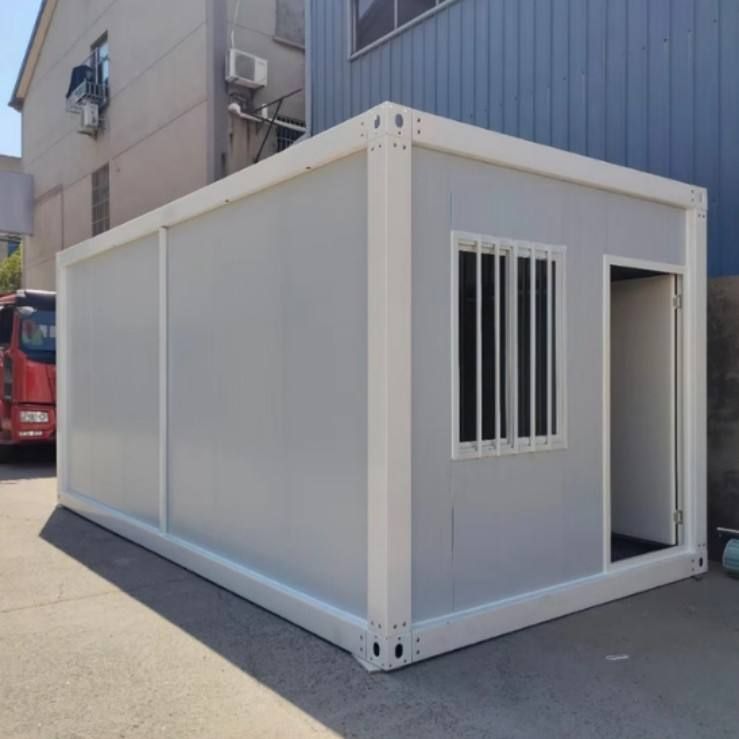
I. Recycling Process and Core Standards
Structural Inspection
Before recycling, it is necessary to conduct load-bearing, corrosion resistance, and seismic performance tests on the main steel structure to confirm there is no deformation or excessive rust. For example, Chengdu Chengjianbang Integrated Housing Co., Ltd. strictly inspects the integrity of wall and roof panels during recycling, replacing damaged or insulation-failed panels to ensure structural safety.Component Maintenance
Inspect and repair or replace components such as doors, windows, and connecting parts to ensure the product meets subsequent usage standards. For example, Taiyuan container recycling enterprises optimize the sealing, sound insulation, and heat insulation performance of containers to enhance their recycling value.Sorting and Processing
Recycle according to material and purpose, such as steel containers and color-steel movable houses. Some enterprises in Beijing distinguish between shipping containers and temporary buildings on construction sites to develop differentiated recycling plans.
II. Recycling Value and Market Applications
Resource Recycling
Recycled container houses can be refurbished and reintroduced into the market, reducing steel and building material waste. For example, a railway project adopted recyclable temporary building products, resulting in a 32% cost reduction and a reduction of nearly 12 tons of construction waste.Low-Cost Rapid Deployment
Recycled houses retain modular design advantages and can be quickly assembled into office areas, dormitory areas, or comprehensive camps. Container houses provided by Taiyuan enterprises support stacking and combination, allowing for relocation without disassembly, saving time and reducing damage.Significant Environmental Benefits
They meet low-carbon development requirements and avoid pollution caused by the disposal of traditional temporary buildings. Enterprises such as Zhejiang Xiaoya Prefabricated Building Co., Ltd. have passed ISO14001 environmental system certification, and their recycled products are sold domestically and abroad, receiving market recognition.
III. Industry Considerations
Standardized Inspection Processes
Multiple inspection processes must be followed to ensure the safety and reliability of recycled products. For example, Chengdu enterprises require recycled products to have features such as easy assembly, light weight, and portability to suit various temporary facility needs.Enterprise Qualification Review
Choose enterprises with full-process service capabilities in design, production, and sales for cooperation, such as Chengdu Chengjianbang and Zhejiang Xiaoya, whose products have passed ISO9001 quality system certification and can provide one-stop solutions.Regional Market Differences
Recycling prices and service capabilities vary across regions. For example, Beijing enterprises often use units such as "room" or "ton" for recycling prices, while Tai'an region provides quotes based on the characteristics of shipping containers. It is necessary to choose partners according to actual needs.



