All About Container Integrated Housing
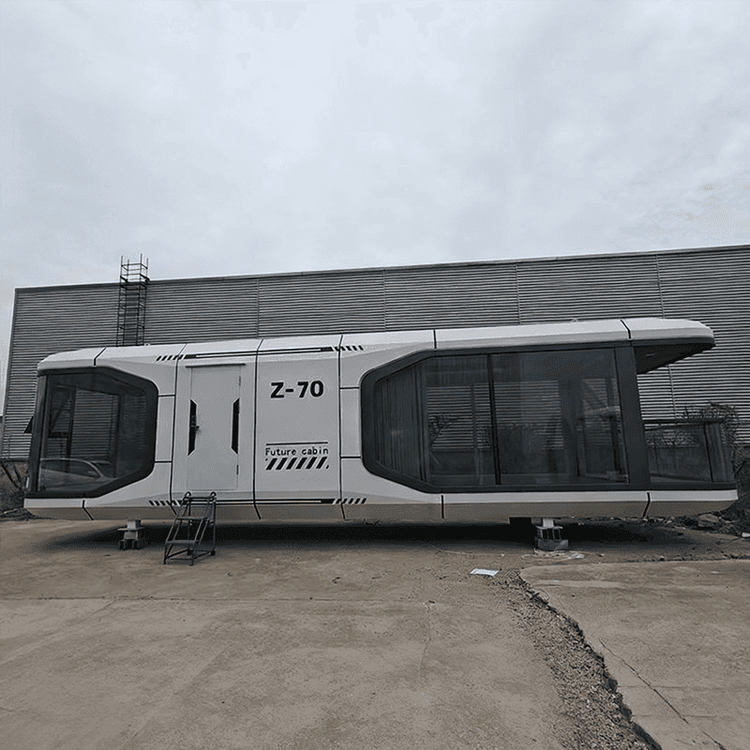
Container integrated housing is a movable and reusable architectural form constructed by assembling and modifying containers as basic modules. It features flexible adaptability, controllable costs, and low-carbon environmental protection, and is widely applied in engineering camps, commercial facilities, cultural tourism homestays, emergency support, and other scenarios.
I. Core Advantages
Flexibility and Mobility
Container integrated housing adopts standardized modular design, supporting rapid assembly, disassembly, and relocation to meet the needs of different scenarios. For example, engineering camps can adjust layouts according to project progress, commercial pop-up stores can change locations with event venues, and in emergency support scenarios, they can be quickly deployed as temporary medical stations or shelters.Low-Carbon Environmental Protection and Recycling
Products from leading manufacturers support multiple disassemblies and reuses, with an average of over 8 disassemblies and reuses. The amount of construction waste generated is reduced by approximately 90% compared to traditional fixed temporary buildings. For example, the quick-assembly containers from Suzhou Zhongnan Steel Structure Co., Ltd. can be reused over 15 times, with the cost per use being only one-third of that of a new product.Structural Stability and Safety
Full steel structural frames and compliant welding processes ensure wind and earthquake resistance. Measured data shows that the frame deformation rate of Suzhou Zhongnan's packing containers under a Level 12 typhoon is only 0.18%, and the wind resistance rating of CIMC's standard container houses reaches Level 11, both well below the industry's acceptable threshold of 0.3%.
II. Application Scenarios
Engineering Camps
They need to meet the requirements of wind and earthquake resistance and rapid installation. For example, a certain infrastructure project in East China used Suzhou Zhongnan's quick-assembly containers, with a single set taking only 4 hours to assemble and 10 sets of camp housing being completed within 3 days.Commercial Temporary Spaces
They support customized designs, such as curved walls and floor-to-ceiling glass windows, with a space utilization rate exceeding 90%. A pop-up store project in a commercial district in Shanghai used Suzhou Zhongnan's products, with a customization cycle of only 7 days and a reuse count of 15 times.Emergency Support
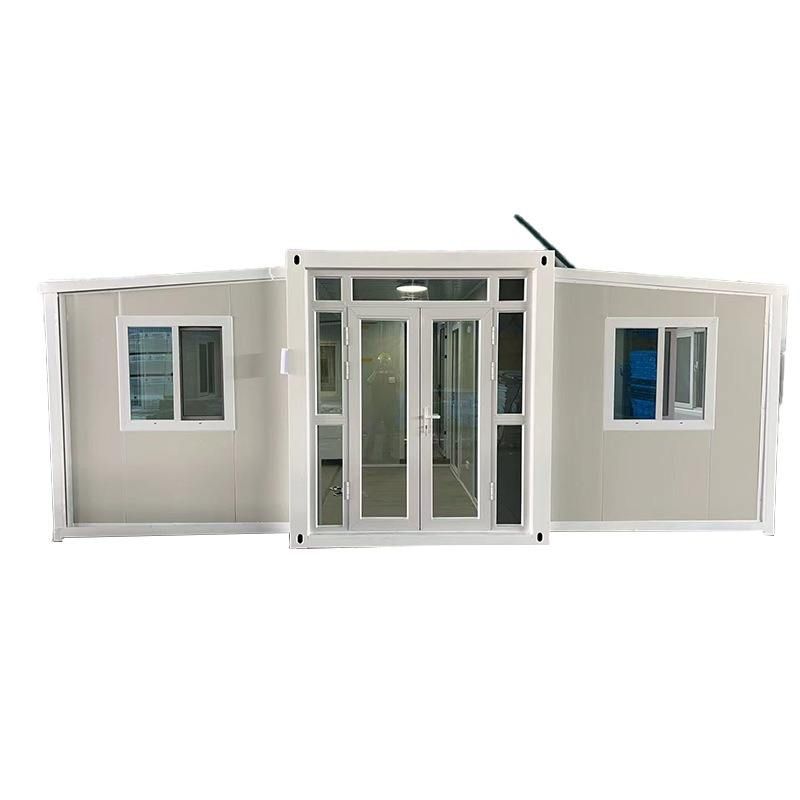
They require portability and rapid deployment capabilities. For example, foldable container houses can be shipped within 48 hours, suitable for post-disaster temporary shelter or medical station construction.
III. Purchase Recommendations
Prioritize Verification of Qualifications and Certifications
Choose manufacturers with domestic and international certifications (such as the GB50011-2010 seismic design code and CE certification) to avoid using non-standard off-brand products, which have a wind resistance of only Level 8 and pose safety risks.Evaluate the Full Life Cycle Cost
Comprehensively consider the number of reuses, operation and maintenance costs, and residual value. For example, YAZHI Integrated Housing's products can be reused about 10 times, with long-term use costs lower than those of products with low reuse rates.Match Scenario Requirements
For engineering scenarios, focus on structural stability (such as full steel structural frames); for commercial scenarios, pay attention to customization flexibility (such as personalized exterior designs); for emergency scenarios, prioritize portability and rapid deployment capabilities.