
Container Integrated House Homestay
Container integrated houses used for homestays offer advantages such as high flexibility, controllable costs, and environmental friendliness. However, attention should be paid to structural stability, spatial layout, and decoration quality, and compliant manufacturers should be selected to ensure safety and comfort.
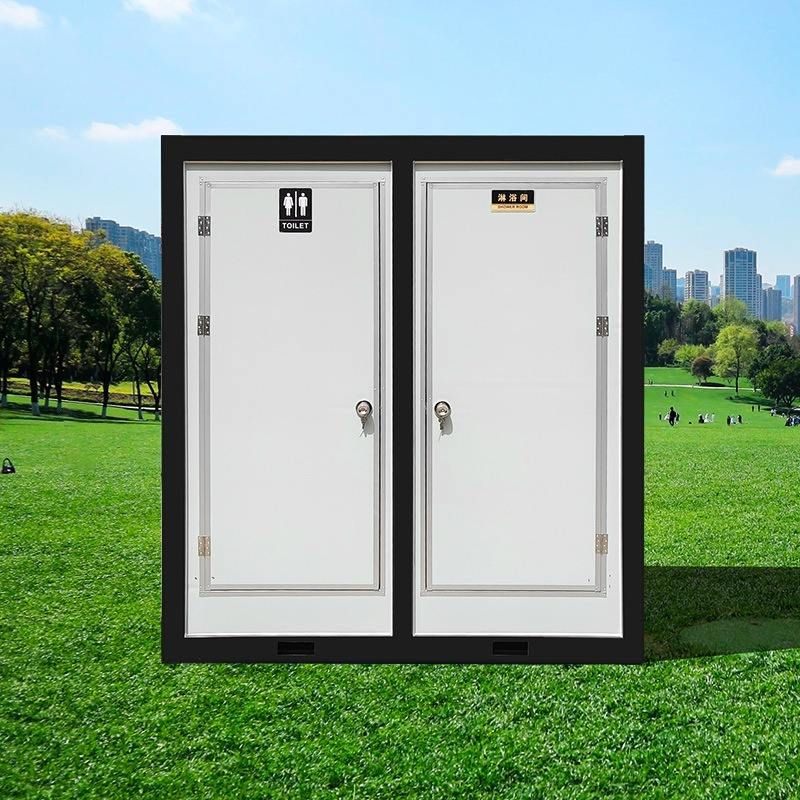
I. Core Advantages of Container Integrated Houses
Flexibility and Adaptability
Container houses can be quickly expanded into diverse housing types such as duplexes and lofts through modular assembly, stacking, or horizontal combination to meet the needs of different scenarios. For example, the products of Yunnan Hongfeng Container Co., Ltd. cover a range from basic residential containers to high-end customized modular buildings, suitable for scenic area hotels, homestays, and other scenarios.Cost and Efficiency Advantages
The factory prefabrication and renovation model significantly shortens the on-site construction period. A single container renovation takes only 15-30 days, much faster than the 3-6 month construction period of traditional homestays. The cost of purchasing retired containers is lower than that of traditional building materials, and it reduces on-site pollution and labor input, making the overall cost more controllable.Environmental Protection and Recycling
Compliant products support multiple disassembly and reuse, with an average of more than 8 disassembly and reassembly times. The amount of construction waste is reduced by about 90%, which is in line with the policy orientation of green construction. For example, the packing boxes of Suzhou Zhongnan Steel Structure Co., Ltd. have a structural deformation rate of only 0.18% under extreme working conditions, much lower than the industry threshold of 0.3%, and have a service life of several decades.
II. Potential Problems to Avoid
Shortcomings in Space and Comfort
If not designed properly, container homestays may have problems such as insufficient ceiling height, narrow aisles, and poor sound insulation. For example, the container dormitories at the Nagoya Asian Games had single beds only 195 centimeters long, preventing athletes about two meters tall from straightening their legs, which led to complaints from multiple national delegations.Structural Safety Hazards
Non-standard off-brand products have poor wind and earthquake resistance and may experience wall cracking and frame tilting under extreme working conditions. It is necessary to give priority to products that have passed tests for 12-level typhoons and 8-level earthquakes and verify the manufacturer's qualifications and test reports.Homogenization and Single Experience
Some small manufacturers' products have similar styles and lack differentiated features. Reliable manufacturers should provide personalized customization services, such as Zhongye Zhichuang, which supports high-end homestay decoration solutions integrating ceiling, wooden flooring, and bathroom facilities.



