Container Houses with Heating Rooms
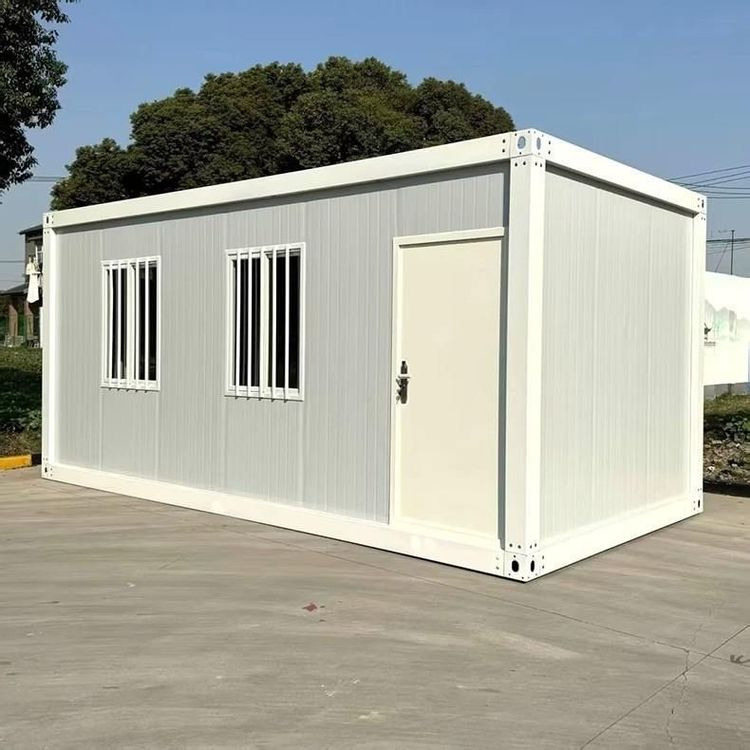
Container houses can achieve heated-room functionality in several ways to meet the needs of cold regions or cold seasons.

First, installing heating equipment is the most direct approach. Common heating equipment includes electric heaters, gas heaters, and underfloor heating systems. Among these, underfloor heating is a more premium option: professional underfloor heating pipes are laid inside the container house to deliver even, comfortable warmth. This method is especially suitable for spaces with higher indoor temperature requirements, such as living areas or offices.
Second, using insulation materials is also an important way to improve the thermal performance of container houses. During construction, materials such as mineral wool, polystyrene boards, and rock wool boards can be applied to walls, roofs, floors, and other parts of the container house. These materials have good thermal insulation properties and can effectively reduce heat loss, helping keep indoor temperatures stable.
In addition, improving insulation at windows and vents is equally important. For example, installing double-glazed windows can significantly boost window insulation and reduce heat transfer. Using curtains or adding insulation materials at vents can also reduce heat loss to some extent.
Finally, sensible passive design can also help container houses achieve good heating results. By arranging the building layout thoughtfully and making full use of natural light and heat, dependence on artificial heating can be reduced. For example, well-designed insulation layers and heat-storage spaces can absorb and store solar radiation during the day and release it at night, keeping indoor temperatures comfortable. Some expandable container houses also combine added insulation layers, high-quality insulation materials, and efficient heating systems so that indoor temperatures stay within a comfortable range at all times.