Container House with Solar Panel
It is feasible to equip container houses with solar panels, enabling self-sufficiency in electricity, and some products have already integrated such designs. Here is a detailed analysis:
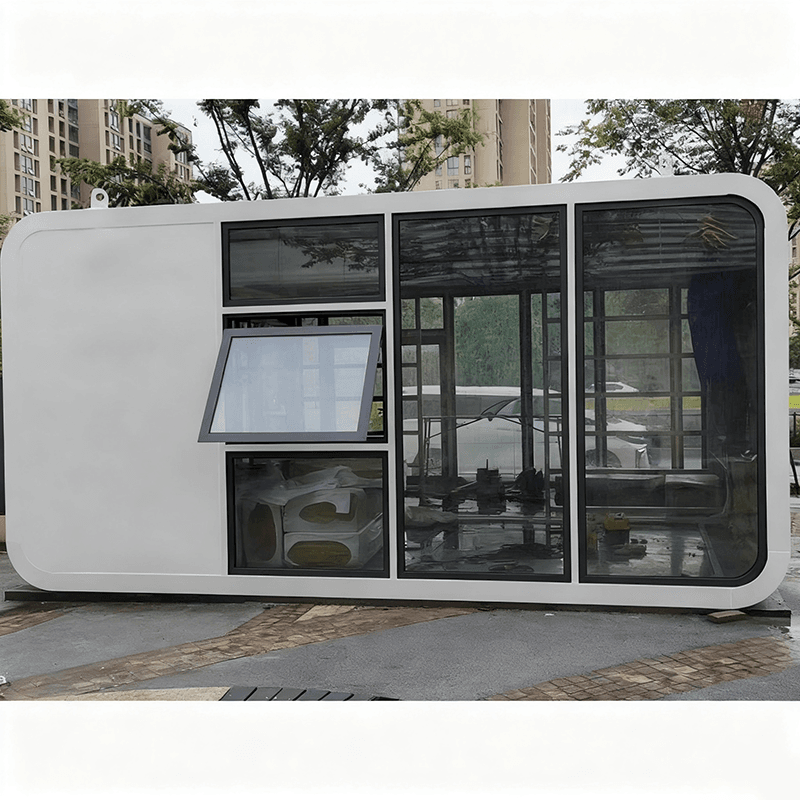
1. Application Scenarios of Solar Panels in Container Houses
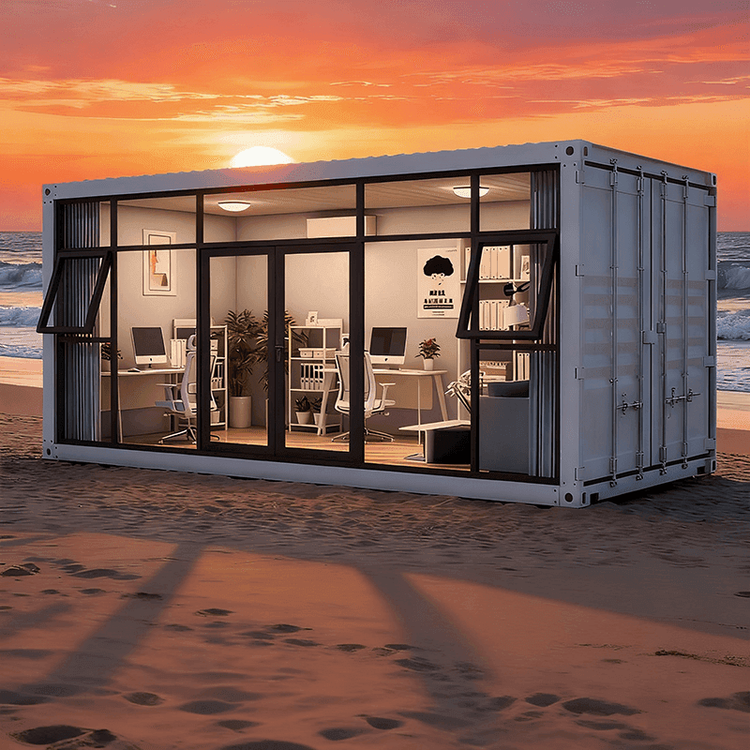
Container houses, as movable modular buildings, are commonly used in scenarios such as temporary housing on construction sites, homestays, and commercial shops. Solar panels can be installed on the roof to provide electrical support for the interior. For example, the container houses of Qinghai Guangzan Light Steel are powered by solar photovoltaic panels, meeting the needs of lighting and appliance use; outdoor popular mobile shops also use solar panels for photovoltaic power generation, reducing reliance on the traditional power grid.
2. Integration Methods of Solar Panels and Container Houses
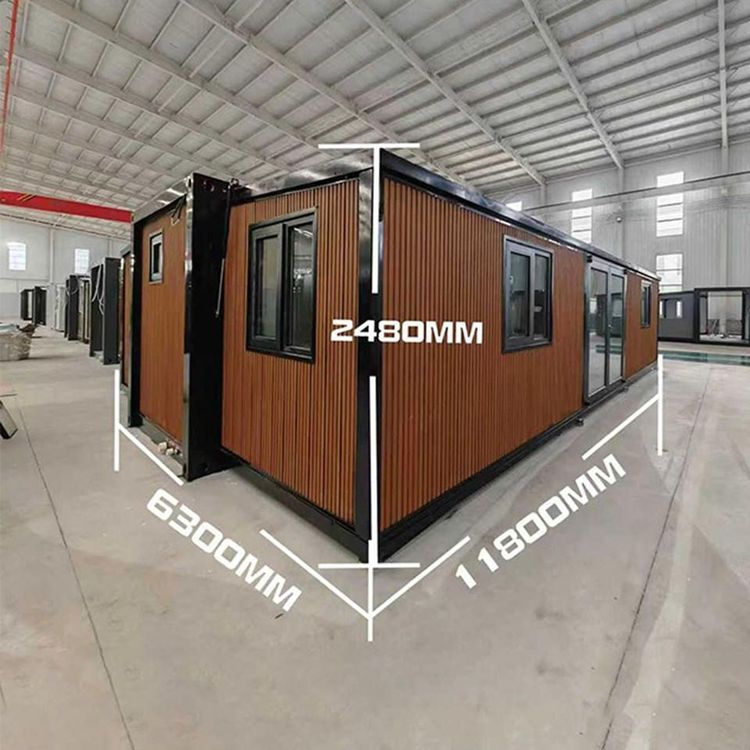
Solar panels are usually fixed to the top of containers in flexible or rigid forms. Flexible solar panels (such as those using SMT patch technology) are lightweight and bendable, suitable for irregular roofs; rigid solar panels are more efficient but require consideration of roof load-bearing capacity. Some products, such as the "Expandable Solar Container" and "20-foot/40-foot Solar Container," have integrated the solar system with the house structure. With an average price of about 1078 yuan, they are in sufficient stock and can be purchased directly.
3. Functional Advantages of Solar Panels
- Self-sufficiency in electricity: Solar panels convert light energy into electrical energy through the photovoltaic effect and can achieve 24-hour power supply in combination with energy storage batteries.
- Environmental protection and energy conservation: They reduce the use of fossil fuels and lower carbon emissions, in line with the trend of green buildings.
- Reduced operating costs: Long-term use can save on electricity bills, especially suitable for remote areas or temporary power consumption scenarios.
- Functional expandability: They can be linked with solar water heaters and sewage treatment systems to form a complete sustainable living system.
4. Practical Cases and Market Supply
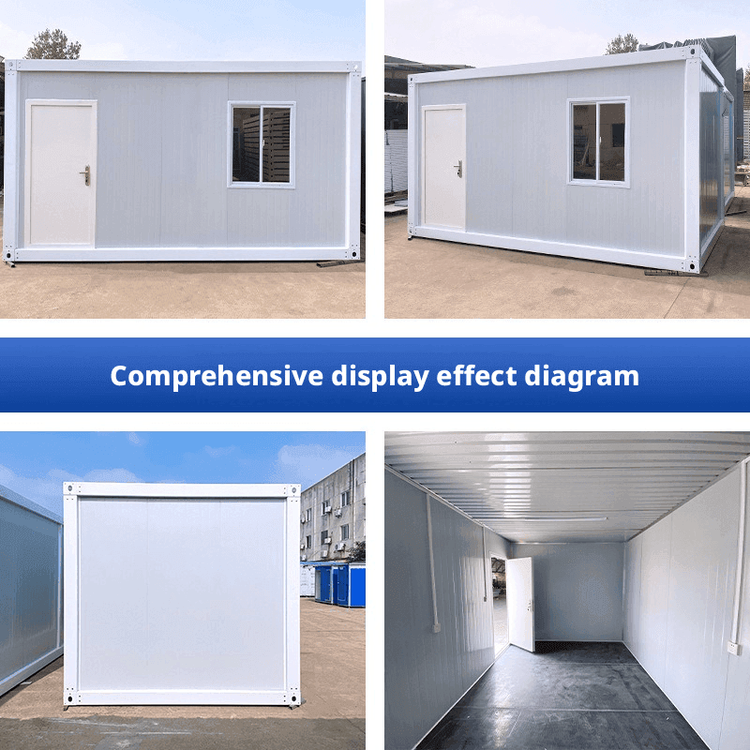
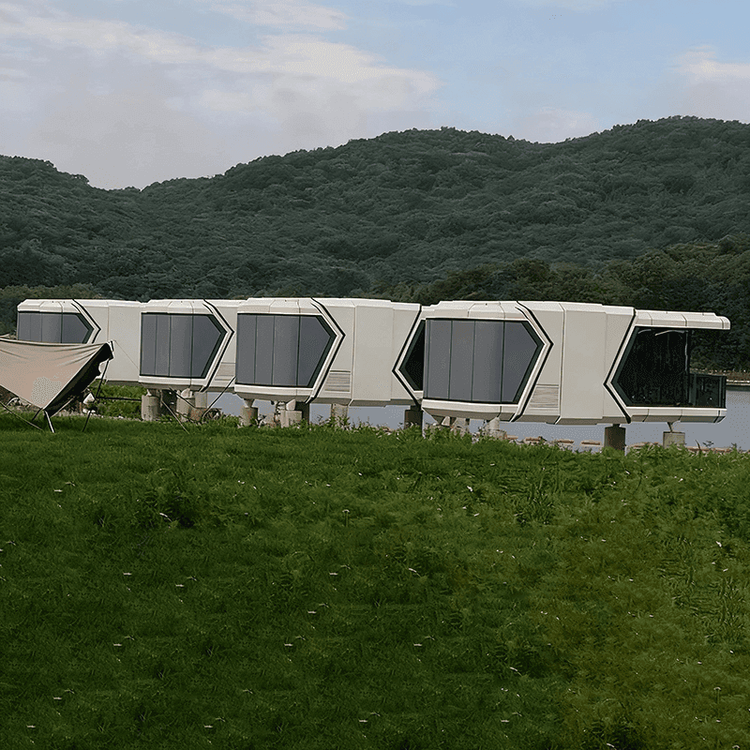
There are already various container house products on the market that integrate solar panels. For example, the 3x3x2.8m residential container house of Suzhou Tianxiang Container House supports the configuration of glass curtain walls and ventilation systems and can customize solar power supply solutions; the "Global Customized Container Movable Panel Houses" on the 1688 platform also offer solar options to meet different scenario needs. In addition, the container GPS positioning solar panel of Shenzhen Diseng Energy Technology Co., Ltd. combines positioning and power generation functions and is suitable for logistics tracking scenarios.
5. Precautions
- Roof load-bearing capacity: It is necessary to confirm whether the roof structure of the container can bear the weight of the solar panels and reinforce it if necessary.
- Sunshine conditions: Before installation, it is necessary to evaluate the local sunshine duration to ensure that the power generation meets the demand.
- System matching: The power of the solar panels should match the electrical equipment to avoid waste or insufficiency.