Container House with Bathroom Accommodation
Container houses can be equipped with accommodation units that include bathrooms. At the 2026 Aichi-Nagoya Asian Games, container houses were innovatively applied to athlete accommodation scenarios, with some designs explicitly incorporating independent bathroom facilities. The following elaborates on this from three aspects: configuration features, spatial design, and user feedback.
1. Typical Cases of Bathroom Configuration
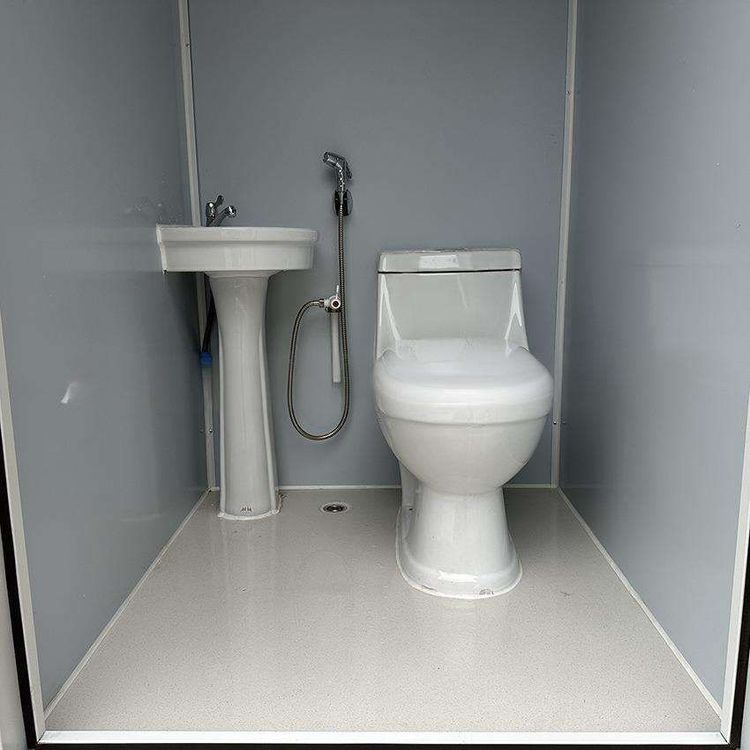
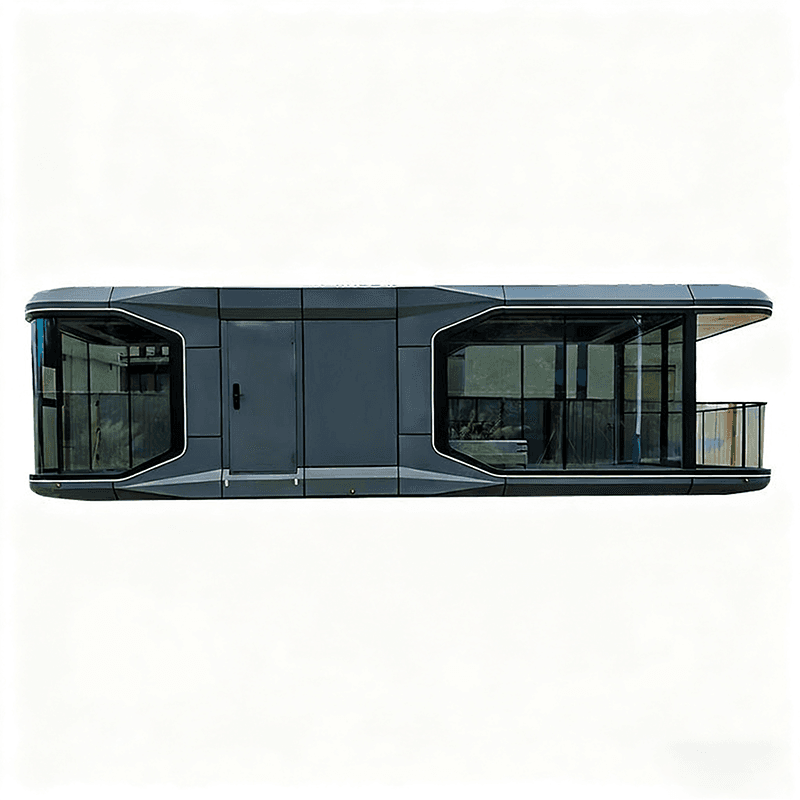
The 200 wooden container houses used at Nagoya Port Garden Pier are each composed of two 35-square-meter sections joined together. In addition to four beds, each unit comes standard with an independent bathroom, shower, refrigerator, washing machine, and air conditioner. This design breaks through the limitations of traditional container houses with their single-function layouts, achieving complete residential functionality through modular combinations, particularly meeting athletes' needs for privacy and hygiene. Bathrooms typically adopt a compact layout, integrating toilets, sinks, and shower facilities, with some units enhancing the user experience through wet-dry separation designs.
2. Spatial Utilization and Functional Balance
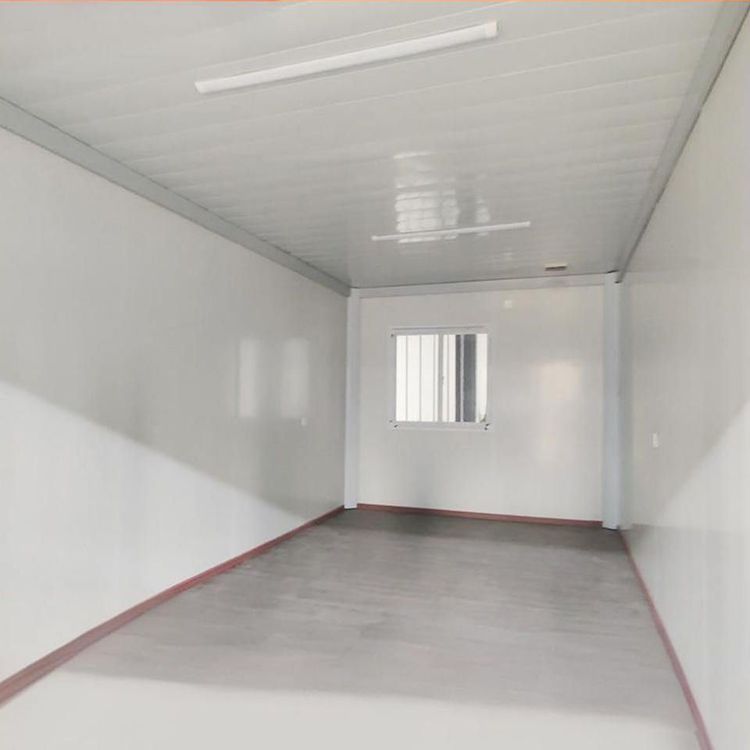
Despite being equipped with independent bathrooms, the residential comfort of container houses is still constrained by their original structure. Taking the Nagoya Port project as an example, the bed dimensions are 195 cm in length and 90 cm in width, making it impossible for athletes over two meters tall to straighten their legs. The bathroom area also faces space compression issues, necessitating designs such as folding doors and wall-mounted fixtures to save space. Additionally, some houses have experienced water leakage, possibly related to insufficient container sealing or defects in bathroom waterproofing techniques, reflecting the durability challenges of temporary buildings.
3. User Feedback and Improvements in Practical Applications
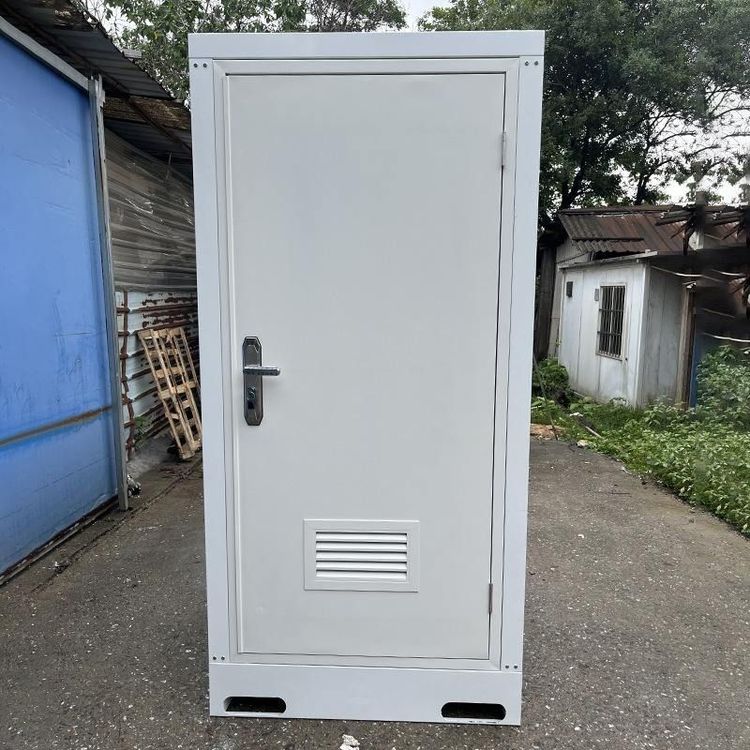
According to athlete feedback, while the bathroom configuration in container houses provides convenience, cramped spaces and facility malfunctions are the main pain points. For example, water leakage not only affects the living experience but may also damage electronic devices; bed size limitations directly reduce sleep quality. To address these issues, subsequent designs can optimize the selection of waterproof materials, strengthen container joint treatments, and enhance spatial adaptability through adjustable furniture (such as extendable beds). Additionally, increasing bathroom ventilation systems or adopting water-saving fixtures can further improve functionality and environmental friendliness.
In summary, container houses can achieve bathroom-equipped accommodation functions through modular design, but continuous optimization is needed in spatial utilization, structural sealing, and facility durability to balance the convenience of temporary buildings with long-term comfort in use.