
Back to blog
Article
Winter Heating for Container Houses
Admin September 15, 2026
The following measures can be taken for winter heating in container houses:
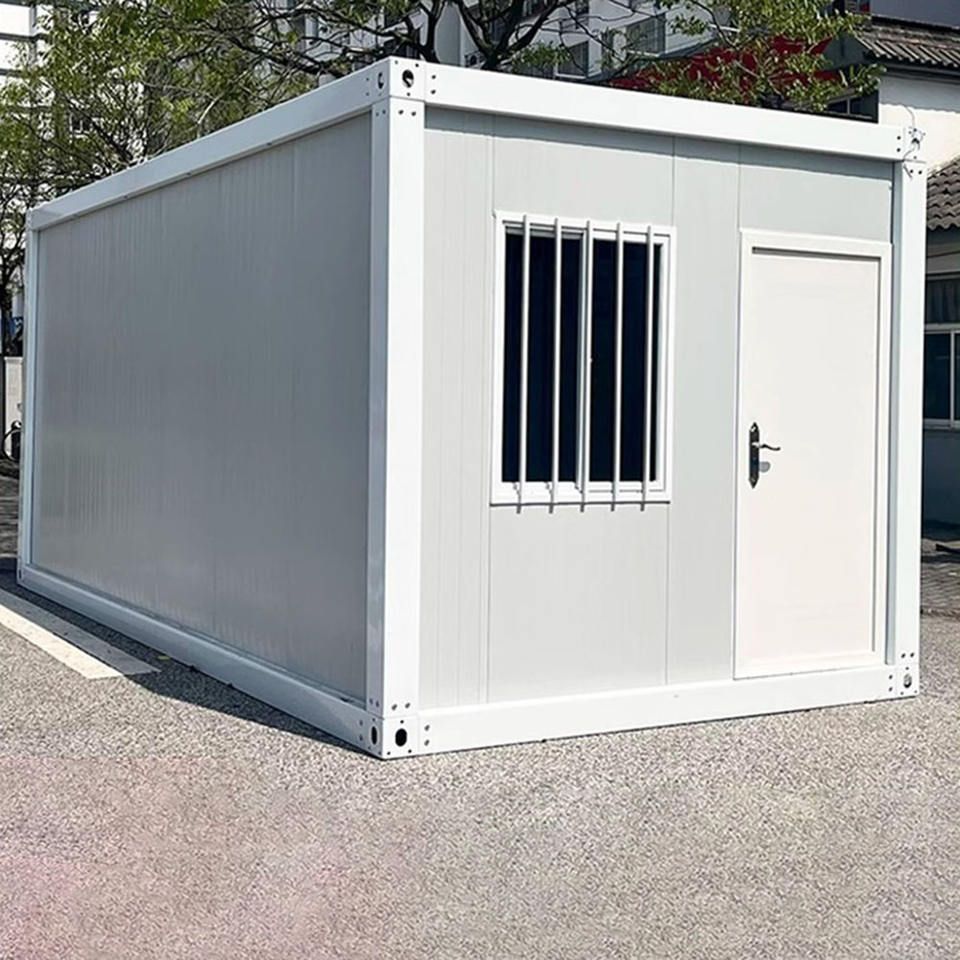
Improve House Insulation
- Select appropriate insulation materials: For exterior wall insulation, options include EPS (expanded polystyrene) boards, rock wool boards, polyurethane boards, silicate wool, or foam polystyrene boards. These materials have low thermal conductivity and good insulation properties, effectively preventing heat loss. For interior wall insulation, closed-cell insulation methods can be used, employing materials such as rock wool or expanded perlite boards. Alternatively, plastering, clay walls, or wooden boards can be used for spray-on insulation.
- Add insulation layers: During the design of container houses, insulation layers can be added to the exterior wall surfaces or interior walls, such as external insulation layers or interior insulation boards, creating a thermal barrier to reduce heat transfer and maintain stable indoor temperatures.
- Optimize window and door designs: Use double- or triple-glazed windows, which have low thermal conductivity and good insulation properties. Install weatherstripping around windows and doors to reduce heat leakage and improve insulation effectiveness.
- Pay attention to detailing: Ensure proper sealing at the joints and connections of insulation materials, as well as where the insulation layer meets the container structure. Use appropriate sealing materials to ensure airtightness and structural stability.
Use Heating Equipment Rationally
- Industrial warm air blowers: For larger container house spaces, industrial warm air blowers can be selected. They rely on forced air circulation by fans to press hot air down to the ground working area, addressing the issue of "warm air rising and cold air sinking." Models can be chosen based on heat source conditions, with steam warm air blowers for steam pipe networks, hot water warm air blowers for hot water circulation systems, and electric warm air blowers for areas without boilers or pipe networks.
- Other temperature control equipment: Additional facilities such as air conditioners, entrance air curtains, and graphene floor heating can be added to regulate indoor temperature. For example, in some northeastern regions of China, a multi-energy complementary system combining "solar thermal + heated water storage tank + electric assistance" is used for heating container houses.



