Width of Container Houses
The width of container houses is mostly 2.4 meters, 2.5 meters, or 3 meters, depending on the type of house and customization requirements. Here are the details:

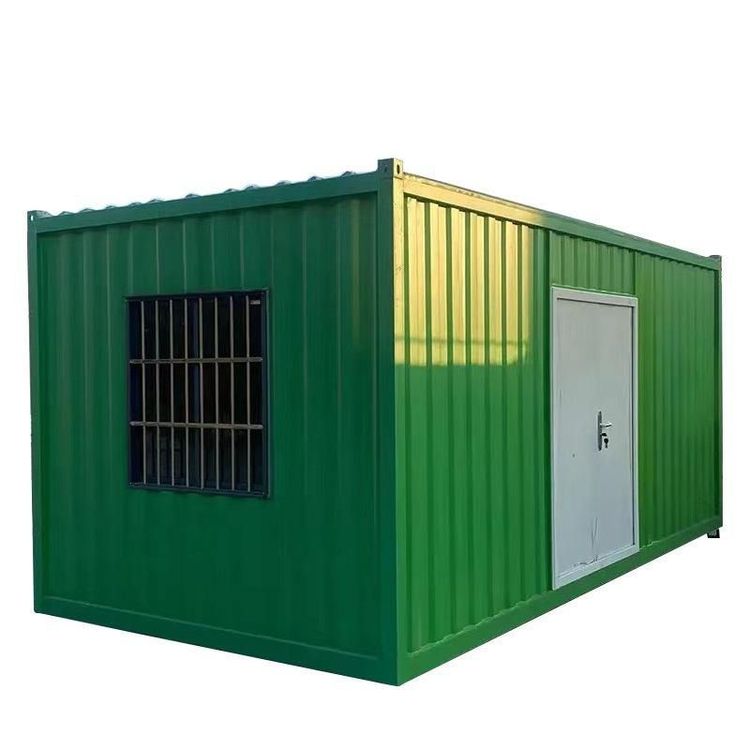
Width of Standard Container Houses The width of container houses is usually based on the dimensions of standard containers. The external width of a standard 20-foot container house is 2438 millimeters (approximately 2.44 meters), and the internal usable width is about 2240 millimeters (2.24 meters). Some manufacturers adjust the width to 2.5 meters or 3 meters to meet different scenario requirements. For example, container mobile homes commonly seen on construction sites often have a width of 3 meters, a length of 6 meters, a height of 2.8 meters, and an area of 18 square meters, which can accommodate multiple people for living or serve as office space.
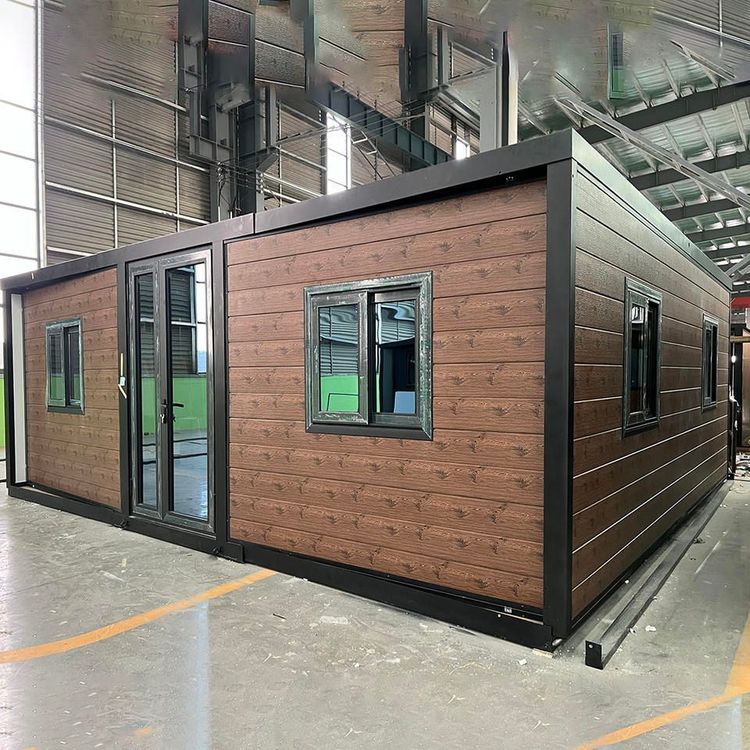
Width of Customized Container Houses The width options for customized container houses are more flexible. Manufacturers can provide non-standard sizes according to customer needs, with widths ranging from 2.4 meters to 3 meters or even supporting irregular splicing (such as L-shaped or U-shaped layouts) to expand the usable area. For example, some two-story container mobile homes have a width of 3 meters and a length of 7 meters, enhancing functionality by adding corridors and balconies.
Width of Special-Type Container Houses The width of some container houses for special purposes may exceed the standard range. For example, large-scale container residential projects may create spacious spaces by stacking multiple containers, but the width of individual containers still follows standard or customized dimensions. In addition, Japanese-style container houses have specifications of 2300 millimeters (width) × 5800 millimeters (length) × 2590 millimeters (height), with a width close to 2.3 meters, making them customized products.
Factors Influencing Width Selection The width selection of container houses should comprehensively consider transportation convenience, structural stability, and usage requirements. Standard widths (such as 2.4 meters and 3 meters) are convenient for transportation and splicing, while customized widths (such as 2.5 meters) can balance material utilization and spatial comfort. For example, a width that is too small may waste materials, while a width that is too large may increase transportation costs or affect structural strength.