
Container House Waterproof and Leak Repair
Waterproof and leak repair for container houses require targeted measures based on the cause of the leakage. Common methods include using specialized sealants, optimizing waterproofing techniques, and selecting qualified materials.
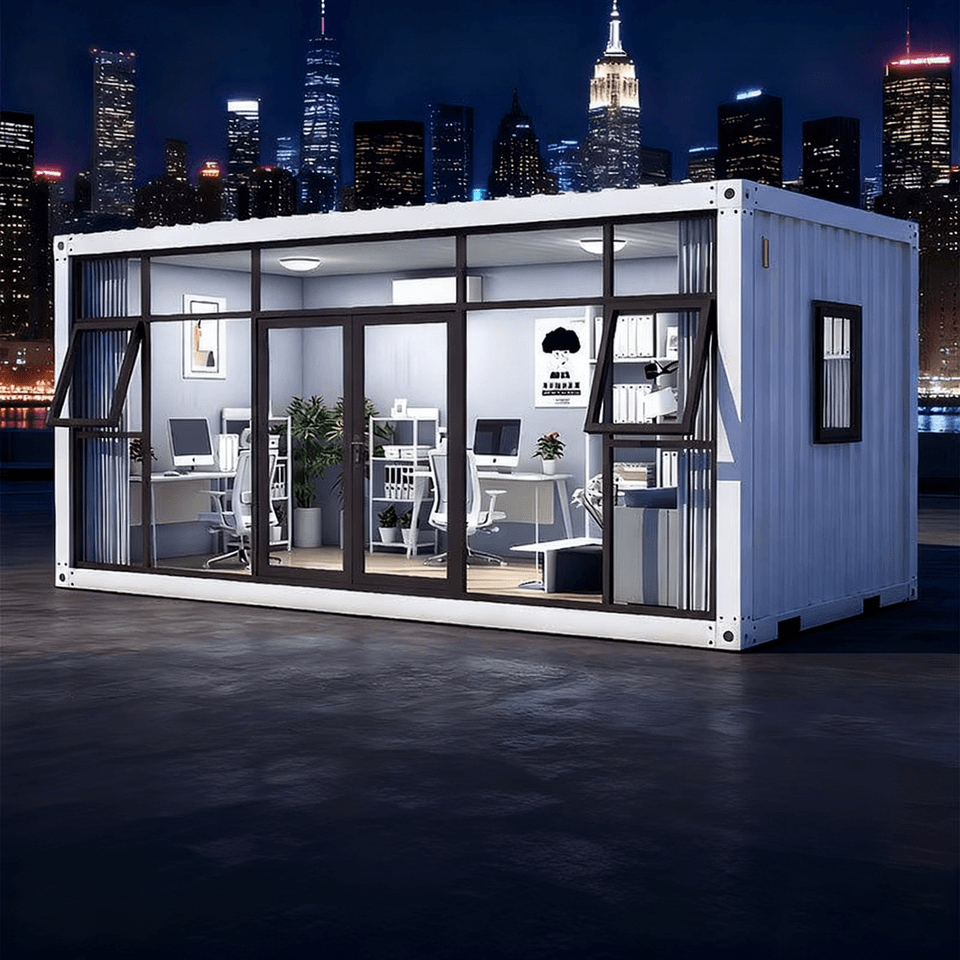
I. Common Causes of Leakage and Targeted Solutions
Loose or Aged Fasteners
Loose fasteners on the container roof due to foot traffic or long-term use, along with aged waterproof pads, can easily lead to leakage. Regularly inspect fasteners, replace aged waterproof pads, and re-secure them.Unqualified or Aged Waterproof Materials
If inferior waterproof materials are used during construction or improper handling occurs, cracks and leakage may develop as the container ages. Remove the original aged waterproof layer and reapply high-quality waterproof coatings (such as polyurethane or acrylic types) or lay waterproof membranes.Cracks Around Openings
When installing equipment like fans or exhaust pipes, if the waterproofing around the openings is inadequate or cracks expand due to thermal expansion and contraction, fill the gaps with sealant (such as neoprene-based sealant) and cover with a waterproof reinforcement layer.Gutter Drainage Issues
A lack of slope in the gutter or clogged outlets can lead to water backup. Clear debris from the gutter to ensure smooth drainage and apply anti-corrosion coatings to prevent rusting.
II. Optimization of Key Waterproofing Techniques
Weld Seam Treatment
Weld seams on containers are common points of water infiltration. Fill them with specialized weld seam leak repair adhesive (such as Jitai 123 neoprene adhesive), which has strong weather resistance and can adapt to metal thermal expansion and contraction.Joint Sealing
Seal the joints between panels and around doors and windows with sealant and design a reasonable drainage slope to ensure rainwater flows smoothly without interrupted sealing.Roof Waterproof Layer
Lay waterproof membranes or apply waterproof coatings on the roof to form a continuous waterproof layer, with special emphasis on reinforcing the edge and corner finishes.
III. Material and Construction Selection
Select Qualified Materials
Avoid using inferior waterproof materials and prioritize products with strong weather resistance and elasticity (such as neoprene and polyurethane types).Professional Construction Team
Choose a qualified waterproofing engineering company to ensure standardized construction processes, such as Guangxi Yonggu Waterproofing Engineering Co., Ltd., which offers free on-site inspections and quality guarantees.
IV. Preventive Maintenance
Regularly inspect the container roof, fasteners, and waterproof layer, and promptly repair any cracks or aged areas to extend the service life.



