Container House for Waste Classification
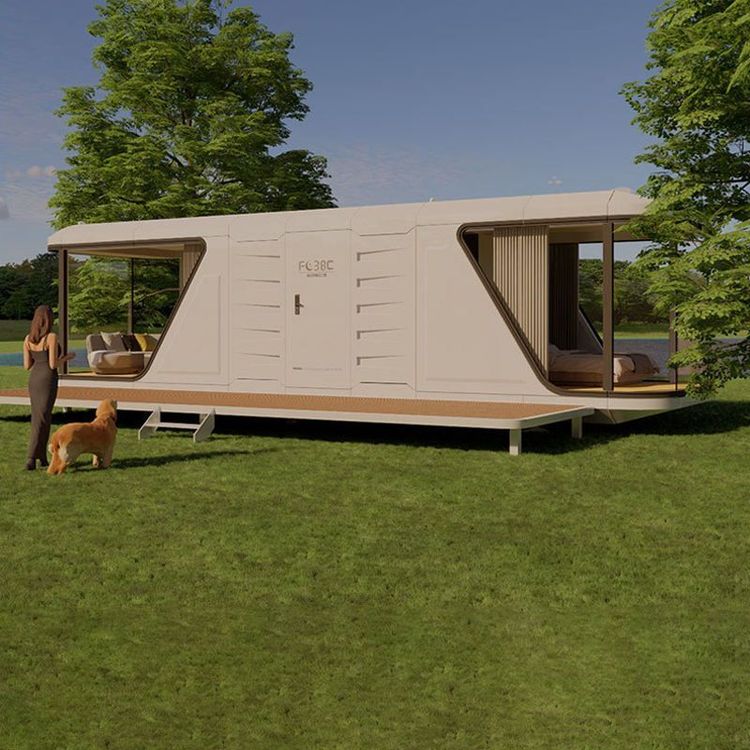
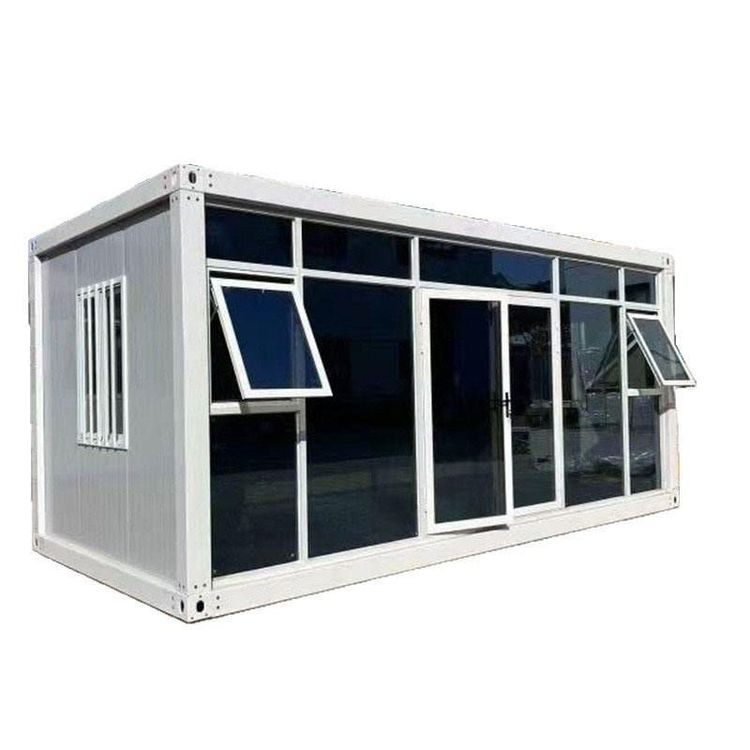
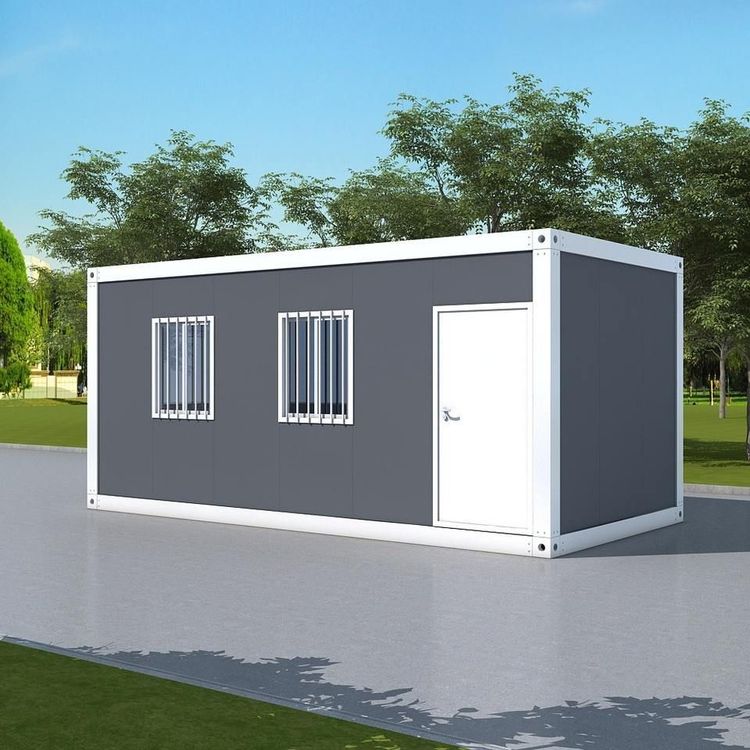
The application of container houses in waste classification scenarios mainly involves the design, production, and customization of waste classification rooms. The core lies in meeting the classification needs of different scenarios through modular structures while considering environmental protection, durability, and functionality.

1. Common Forms of Container Houses as Waste Classification Rooms
Due to their standardized, movable, and customizable characteristics, container houses are widely transformed into waste classification rooms. Common types include:
- Enclosed Container Waste Rooms
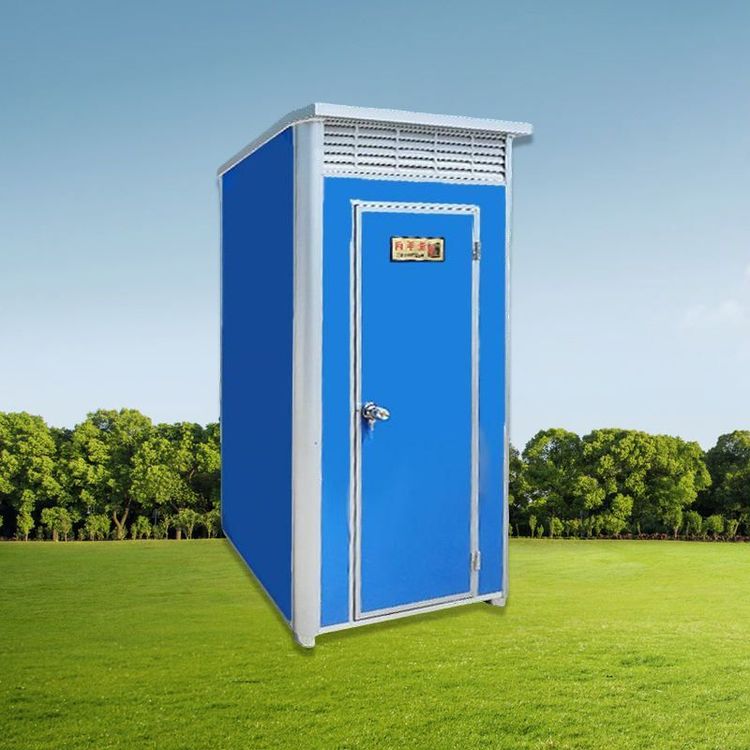
These feature a fully enclosed steel structure design, equipped with classified disposal ports, ventilation systems, and rain-proof canopies. They are suitable for scenarios with high environmental requirements, such as residential communities and scenic spots. For example, Guangzhou Jinge Steel Structure Engineering Co., Ltd. offers the "Special Container Waste Recycling Room" priced at approximately 23,800 yuan, with a 7-day replacement guarantee and material quality assurance. - Mobile Waste Classification Rooms
Based on lightweight containers, these have wheels or detachable brackets installed at the bottom for rapid deployment and relocation. Hangzhou Gangting Metal Products Co., Ltd. introduces the "Outdoor Mobile Waste Classification Room" starting at 606.39 yuan, with delivery within 48 hours, suitable for temporary events or emergency scenarios. - Smart Waste Classification Rooms
These integrate AI recognition, voice interaction, overflow alarms, and other functions to enhance classification efficiency through technological means. For example, a smart waste room produced by a manufacturer in Liaocheng features built-in plasma deodorization and ultraviolet sterilization systems, automatically judging waste categories and providing feedback on disposal results.
2. Core Functions and Design Considerations of Waste Classification Rooms
- Classification Function Adaptability
According to local policy requirements, waste classification rooms need to divide areas for recyclables, hazardous waste, kitchen waste, and other waste, equipped with corresponding signs and disposal ports. For example, Yancheng Refuge Portable House Co., Ltd. offers customization services, allowing flexible design of dimensions and functional modules. - Application of Environmentally Friendly Materials
Priority is given to durable materials such as recyclable steel and galvanized steel sheets to reduce long-term maintenance costs. Some manufacturers use membrane structures or metal carved panels to enhance thermal insulation and corrosion resistance. - Human-Centered Design
This includes details such as non-slip floors, handwashing sinks, night lighting, and rain canopies to improve user experience. For example, a manufacturer in Dalian offers a 5-category waste room with a handwashing sink priced at 11,500 yuan per unit, including transportation and installation services.
3. Market Supply and Price Ranges
The price of waste classification rooms varies depending on materials, functions, and scale:
- Basic Models: Simple steel structure classification rooms cost approximately 500-2,000 yuan, suitable for budget-limited scenarios.
- Standard Models: A 3-category galvanized steel waste room (3m long × 1.5m wide × 2.2m high) has an ex-factory price of approximately 6,800 yuan, including taxes and basic installation.
- High-End Models: Smart waste rooms or customized landscape-style classification rooms can cost over 10,000 yuan, with some manufacturers offering optional configurations such as UV light deodorization and solar lighting.
4. Application Scenarios and Prohibited Environments
Container waste classification rooms are suitable for residential communities, schools, hospitals, commercial districts, and scenic spots. However, they should avoid mountainous areas with slopes greater than 30°, underground garage entrances (poor ventilation leading to odor accumulation), and acid-alkali corrosive chemical plant areas (requiring special anti-corrosion coatings).