
Container House Walls
The walls of container houses typically use color-steel sandwich panels, combinations of steel plates and interlayer insulation materials, or wooden materials, depending on the type of house and design requirements.
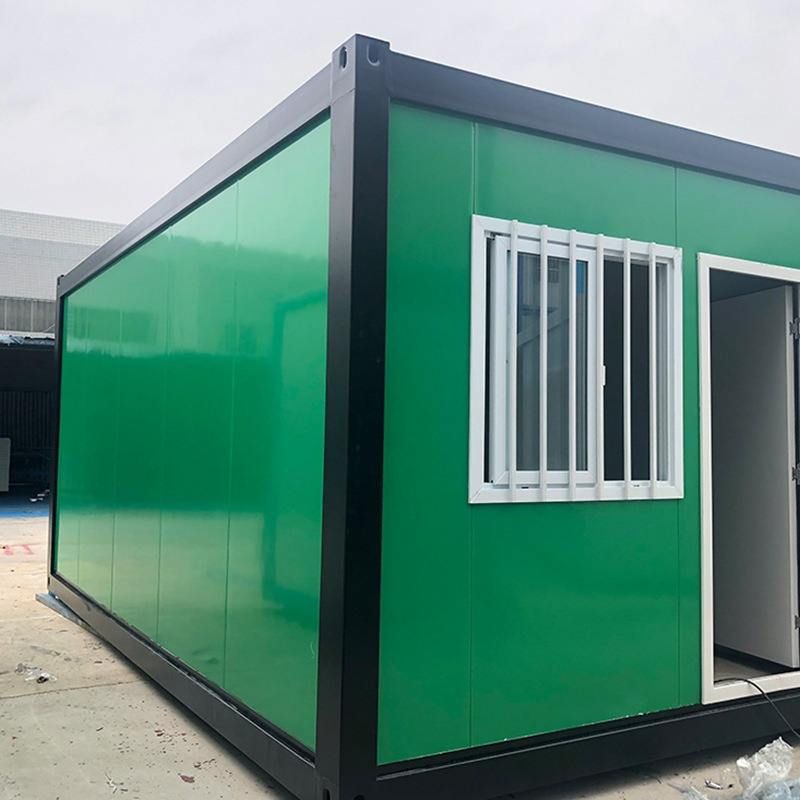
Color-Steel Sandwich Panels:
The walls of container mobile houses often use color-steel sandwich panels filled with insulation materials such as rock wool, glass wool, or polyurethane. This structure balances lightweight design with thermal insulation performance while providing fire resistance, meeting the safety standards for temporary buildings. For example, in scenarios like construction site dormitories and office areas, such walls can be quickly assembled and meet basic usage requirements.Steel Plates and Interlayer Insulation Materials:
The walls of packing-box units are made of steel plates and interlayer insulation materials, with frames constructed from hot-dip galvanized cold-formed steel sections paired with fire-resistant polyurethane sandwich panels. This design is suitable for multi-level stacking and is commonly found in construction site dormitories and temporary meeting rooms that require higher structural strength. Its thermal insulation performance and fire rating are superior to those of ordinary color-steel plates.Wooden Materials and Container Corrugated Metal:
In some renovation cases, the interior walls of containers retain the original corrugated metal or are covered with plywood or wood veneer to create a warm atmosphere. For example, a Danish man's container home maintains a metallic texture on its interior walls, while a container mansion on a cliff uses plywood walls paired with a white staircase and gray-toned bathroom, highlighting the fusion of natural and industrial styles.Material Selection for Special Scenarios:
In scenarios with high fire safety requirements, wall fillers must meet Class A fire resistance standards (such as rock wool panels) and avoid using flammable materials like polystyrene or polyurethane foam. Additionally, container houses in mountainous or humid environments may use corrosion-resistant steel and moisture-proof wall panels to extend their service life.



