Back to blog
Article
Removing a Wall from a Container House
Admin September 17, 2026
If you need to remove a wall from a container house, you should choose the appropriate method based on the nature of the wall and ensure proper safety precautions and stability assessments are in place.
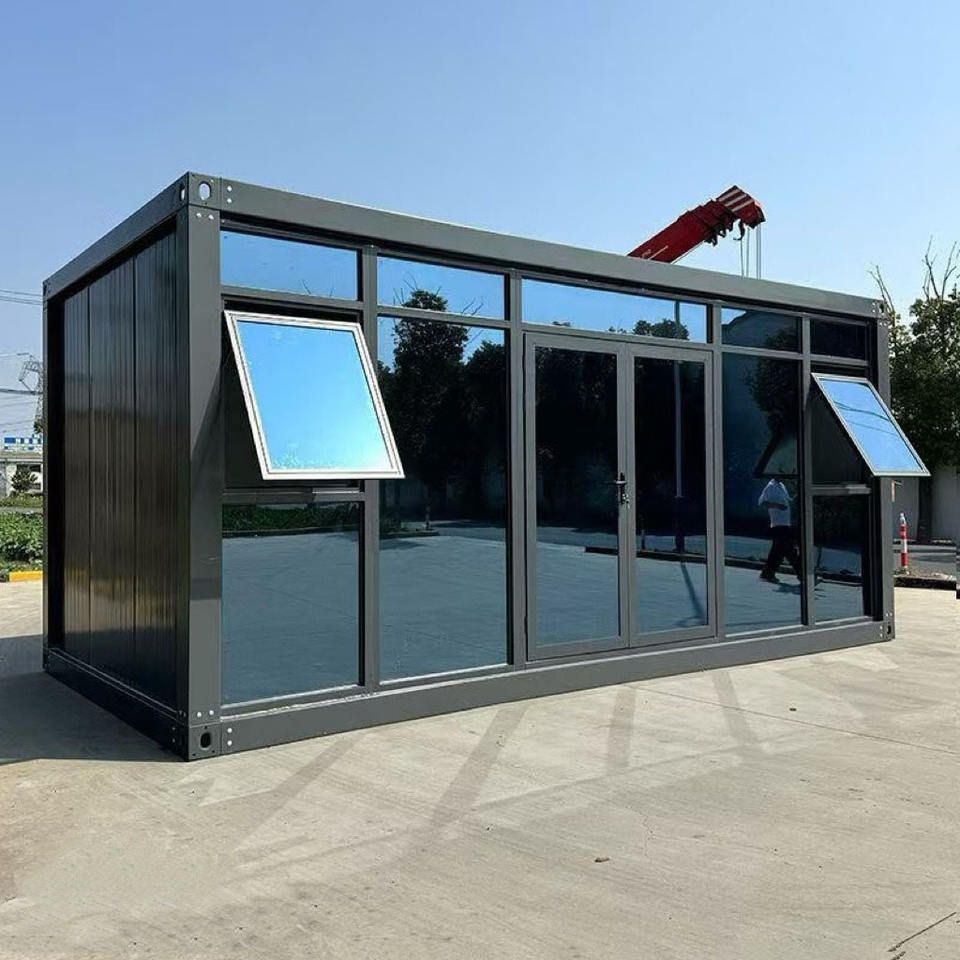
I. Determining the Nature of the Wall
Container house walls generally fall into two categories:
- Internal Partition Walls: These are usually made of wood or metal. Wooden partition walls can be cut along the edges with an electric saw and then knocked open with a hammer and crowbar; metal partition walls need to be cut and separated along the wall surface using a hacksaw or an oxygen-acetylene cutting torch.
- Structural Walls: If the wall is part of the container house's structure (such as the load-bearing structure above the metal base), its impact on the overall stability must be evaluated before removal. Such walls may serve load-bearing or connecting functions, and removing them arbitrarily could lead to deformation or collapse of the house.
II. Key Points for Removal Operations
- Tool Selection:
- Wooden partition walls: Electric saw (for cutting edges), hammer (for knocking separation), crowbar (for assisting removal).
- Metal partition walls: Hacksaw (for manually cutting thin metal), oxygen-acetylene cutting torch (for cutting thick metal or welding points).
- Structural walls: Professional tools (such as hydraulic shears, plasma cutters) are required, along with supporting equipment (such as jacks) to prevent collapse.
- Operation Steps:
- Mark the cutting line: Use chalk or a marker pen to mark along the edge of the wall to be removed, ensuring a neat cut.
- Secure the wall: If the wall is connected to the ground or roof, loosen the fixing bolts or welding points first.
- Cut and separate: Cut along the marked line. Wooden partition walls can be removed in sections; metal partition walls should be cut gradually to avoid high temperatures damaging the surrounding structure.
- Clean up waste: Store the removed wooden planks and metal fragments separately to avoid scratches or environmental pollution.
III. Safety Precautions and Considerations
- Personal Protection: Wear earplugs (to reduce noise), safety goggles (to prevent flying debris), cut-resistant gloves (to protect hands), and dust masks (to avoid inhaling wood dust or metal particles).
- Environmental Safety: Ensure there are no flammable materials in the removal area. When using an oxygen-acetylene cutting torch, have a fire extinguisher on hand; if operating in a confined space, ensure ventilation.
- Professional Guidance: If you are unfamiliar with the operation or the wall is load-bearing, you must seek assistance from professionals to avoid damage to the house or personal injury due to improper operation.
IV. Handling Special Situations
If the wall is connected to the container house's frame (such as corner posts or crossbeams), the frame should be reinforced after removal, for example, by welding steel plates or installing support rods, to maintain the stability of the house. If you need to reuse the wall materials after removal, store them properly to avoid deformation.