
Container House Wall Panel
The commonly used wall panel type for container houses is the color-steel sandwich panel. Here is a detailed introduction to container house wall panels:
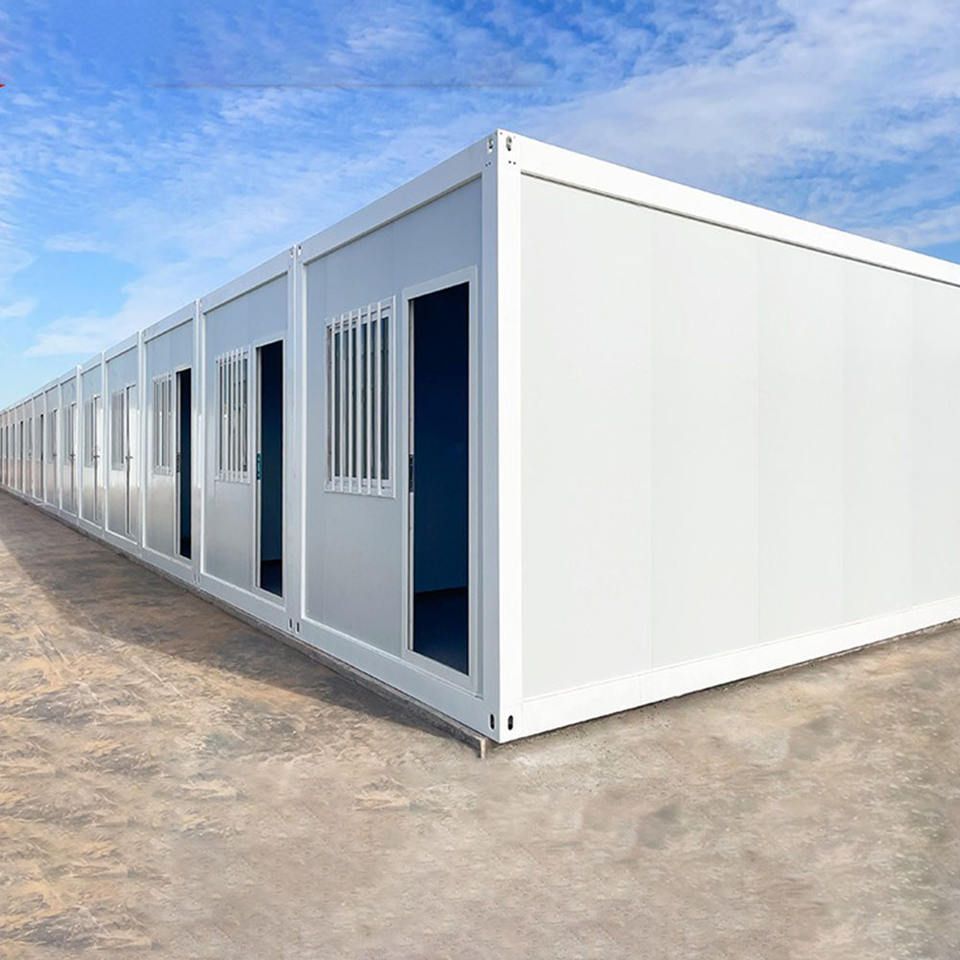
I. Material Characteristics
The color-steel sandwich panel consists of two layers of colored coated steel plates as the surface panels, with a lightweight, heat-insulating, and thermal-insulating material (such as polystyrene foam or rock wool) filled in between. This structure combines the strength of metal materials with the thermal insulation properties of lightweight core materials, while also having a smooth and flat surface that is easy to clean and maintain.
II. Core Performance Advantages
- Thermal Insulation: The core material can effectively block heat transfer, reducing indoor heat loss in winter and minimizing the impact of outdoor thermal radiation in summer, maintaining a stable indoor temperature.
- Sound Insulation and Noise Reduction: The porous structure of the core material can absorb sound wave energy, reducing external noise interference and enhancing living comfort.
- Fire Resistance: Some core materials (such as rock wool) have Class A non-combustible properties, ensuring that they will not burn even when exposed to open flames, providing safety protection for container houses.
- Waterproof and Moisture-Proof: The steel plate surface is treated with anti-corrosion, and when installed with sealing strips, it can effectively prevent rainwater penetration and avoid wall moisture and mold.
- Lightweight and High Strength: The weight per unit area is only 1/30 of that of traditional brick walls, but the bending resistance can reach over 150kg/m², meeting the structural safety requirements of container houses.
III. Application Scenarios
Color-steel sandwich panels are widely used in various container house projects:
- Construction Sites: As wall materials for temporary office buildings, dormitories, and warehouses, they can be quickly erected and repeatedly disassembled and reused.
- Commercial Venues: Used in mobile commercial spaces such as shops, cafes, and bookstores, they can achieve a personalized appearance through different color and panel type combinations.
- Public Facilities: In scenarios such as emergency hospitals, isolation wards, and nucleic acid testing stations, their waterproof and fire-resistant properties can meet special environmental requirements.
- Living Spaces: As wall materials for prefabricated houses, they form complete living units in combination with door and window systems, suitable for scenarios such as vacation villas and homestays.



