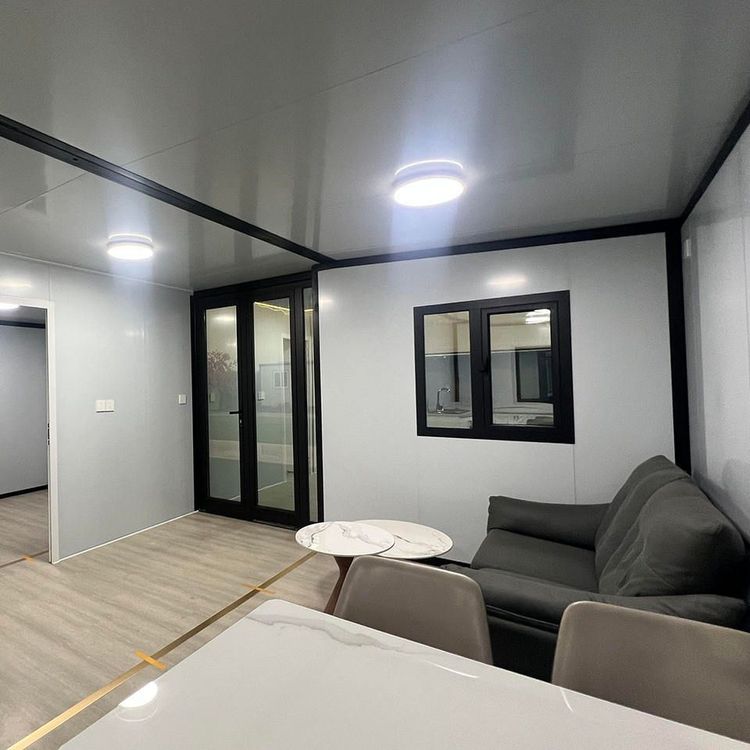
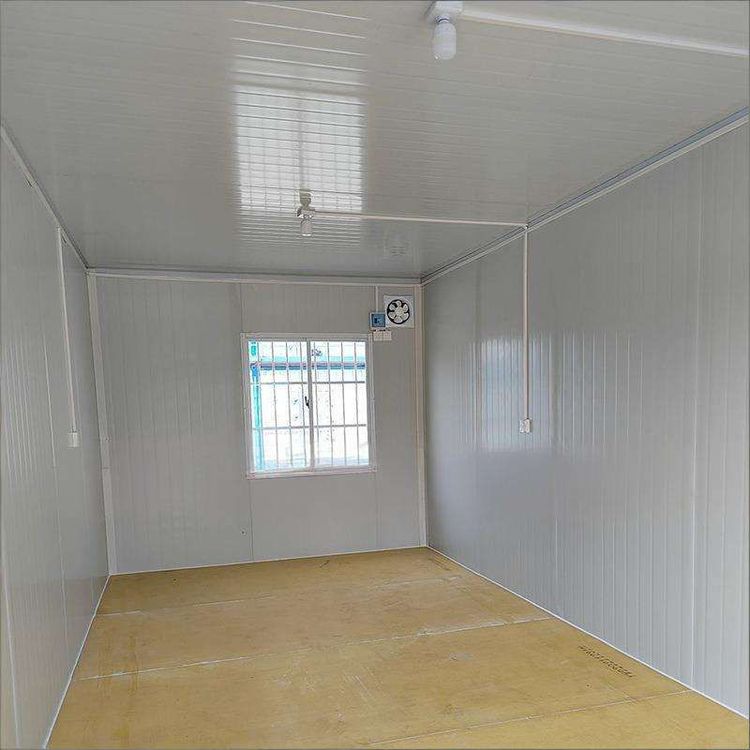
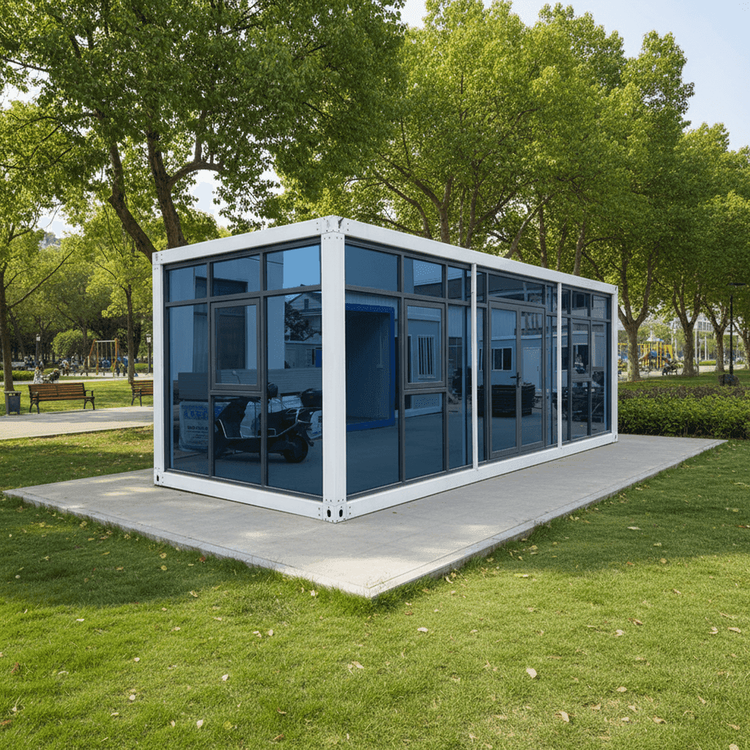
Male-Female Buckles for Container House Wall Panels
The classification of male-female buckles for container house wall panels is primarily based on material, purpose, structural characteristics, and manufacturing process, as detailed below:
Material Classification
Material is one of the core criteria for classifying male-female buckles, directly influencing their performance and applicable scenarios.
- Metal Materials: Mainly include carbon steel, stainless steel, and aluminum alloy. Carbon steel buckles offer high strength and corrosion resistance, suitable for high-load scenarios like communication equipment. Stainless steel buckles have superior corrosion resistance, ideal for humid or chemical environments. Aluminum alloy buckles combine lightweight properties with durability, commonly used in container houses sensitive to weight.
- Nylon Materials: Such as expansion buckles, are lightweight and heat-resistant, suitable for light industrial applications like plastic fastening. Their expansion design enables secure connections through deformation without damaging the material.
- Composite Materials: Some buckles combine metal and plastic, such as carbon steel buckles with zinc plating or hot-dip galvanizing. These retain metal strength while enhancing corrosion resistance through surface treatment, extending service life.
Purpose Classification
Male-female buckles are often optimized for specific scenarios, resulting in significant functional differences.
- Coal Mine Support Specialized: Such as welded buckles, use corrosion-resistant, high-pressure-resistant materials and are fixed to heavy equipment through welding, ensuring stable connections in extreme environments.
- General Wall Panel Connection: Buckles suitable for container house wall panels must balance ease of installation with structural strength. Common specifications include nominal diameters of 1.4cm, 1.5cm, and 1.8cm, with customizable materials and sizes available.
- Temporary Fixing Scenarios: Such as Velcro adhesive buckles, are directly attached via adhesive, suitable for temporary structures requiring quick assembly and disassembly. However, they have lower load-bearing capacity and are only suitable for lightweight materials.
Structural Characteristics Classification
Structural differences determine the installation method and applicable materials of male-female buckles.
- Adhesive Backing Design: Such as Velcro adhesive buckles, have a coated adhesive layer on the back, allowing direct attachment to flat surfaces. They are easy to install but have limited temperature resistance, suitable for indoor or dry environments.
- Welding Design: Such as welded buckles for coal mine support, require high-temperature welding for fixation, suitable for metal structures. They offer high connection strength but complex installation.
- Expansion Design: Such as nylon rivet buckles, are fixed in holes through expansion deformation, suitable for plastic or thin metal sheets, avoiding挤压 (extrusion) damage to the material.
Manufacturing Process Classification
The manufacturing process directly affects the precision and cost of male-female buckles.
- Weaving Type: Such as Velcro adhesive buckles, use a coated weaving process, offering good flexibility but lower precision, suitable for non-load-bearing connections.
- Injection Molding Type: Such as nylon rivet buckles, are formed through injection molding, offering high precision and smooth surfaces, suitable for scenarios with strict dimensional requirements.
- Cold Bending Type: Such as steel buckles for coal mine support, are processed using cold bending, offering high strength but higher costs, commonly used in heavy-duty structures.
Summary: The classification of male-female buckles for container house wall panels requires a comprehensive consideration of material, purpose, structure, and process. Selection should be based on the specific scenario's load-bearing requirements, installation conditions, and cost budget.