
Container House Villa Life
Container house villa life features low cost, high aesthetics, and sustainability, but attention should be paid to issues such as procedures, rust prevention, and insulation.
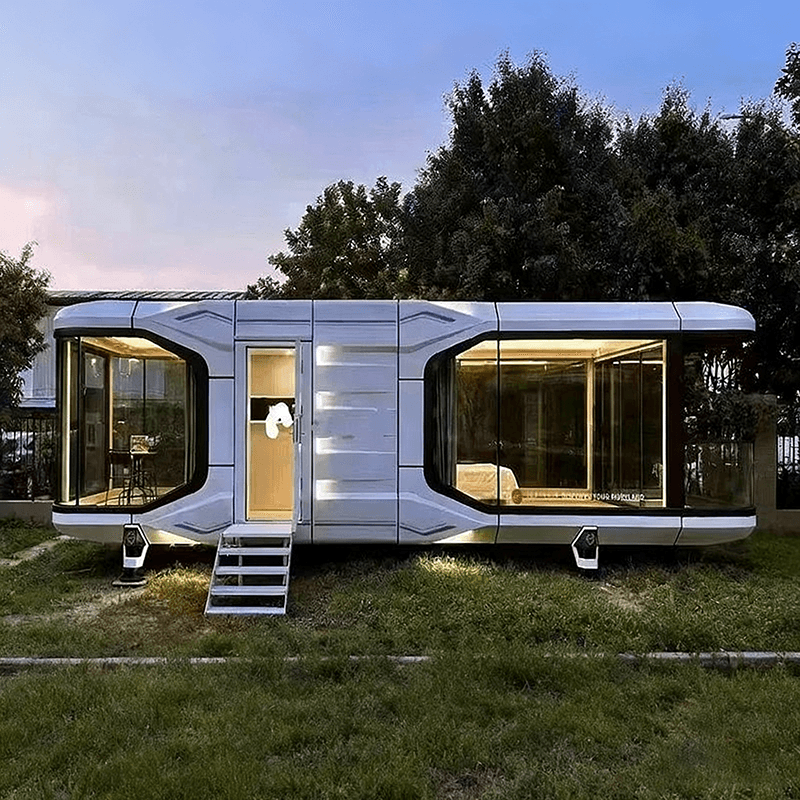
Construction Methods and Costs
Container house villas are typically constructed by joining or stagger-stacking multiple containers, enabling the expansion into functional areas such as living rooms, bedrooms, and bathrooms. For example, joining 2-3 containers can create a single-story layout of approximately 100 square meters, including an integrated living and dining area, two bedrooms, and a bathroom with a bathtub. The cost is relatively low; for instance, some simple two-story portable prefab houses for home use are priced as low as 89 yuan per square meter. Even when considering additional expenses for decoration and insulation, the overall cost remains lower than that of traditional brick-and-mortar houses.
Living Experience and Advantages
- Flexible Space Utilization: Small units can enhance space flexibility with foldable beds and tables. For example, a 15-square-meter unit can meet daily needs using integrated cabinets and multifunctional furniture.
- Improved Lighting and Insulation: The use of triple-glazed windows with thermal break frames provides better insulation than red brick walls. Installing solar panels on the roof, laying underfloor heating pipes, and adding waterproof insulation layers ensure comfortable living conditions.
- Nature-Integrated Design: Some cases enhance interaction with nature through high-strength glass walls, independent courtyards, and terrace designs. For example, a villa in Melbourne, inspired by courtyard trees, features a hole in the roof allowing the trees to grow freely, creating a vibrant atmosphere.
Potential Risks and Mitigation
- Procedural Compliance: For rural homesteads, construction approval is required, and structural drawings must be provided. Leased land can only be used for temporary structures, and the contract must specify the nature of use.
- Rust Prevention and Maintenance: During construction, cut and welded areas should be polished and coated with epoxy primer and topcoat. Annual inspections of welds and corners are necessary, with reapplication of anti-corrosion coatings every 7-10 years in humid southern regions.
- Waterproofing and Sealing: Sealant around windows and doors and container joints should be replaced regularly (every 5-7 years). Roof leaves should be cleared to prevent water accumulation and steel plate corrosion.



