
Container House User Manual
When using a container house, it is essential to focus on safety and standard operations in design and construction, daily use, installation, and maintenance inspections.
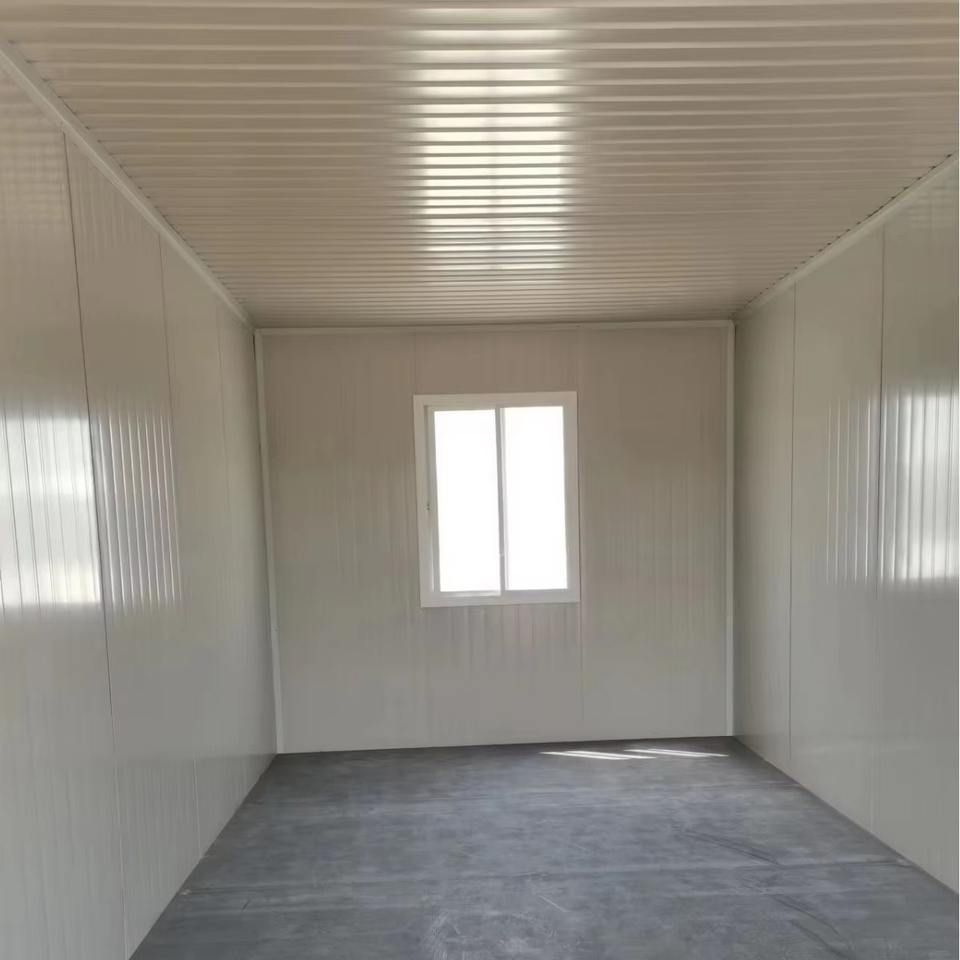
Design and Construction Safety: The foundation design should consider geological conditions, the self-weight of the container house, and loads, using concrete strip, independent, or steel pile foundations to ensure flatness and solidity. For structural safety, select containers without severe deformation or rust, and strictly evaluate second-hand containers. When assembling, use high-strength bolts or special connectors for rigid connections and reliably anchor them to the foundation. It is strictly prohibited to use loads beyond the design capacity, and the maximum allowable loads for floors and roofs should be clearly marked. During renovations, openings should avoid load-bearing components, and reinforcements should be made after cutting. Internal partitions should use lightweight materials, be firmly connected, and not affect structural load-bearing. Use special lifting corners for hoisting, and never hoist from non-load-bearing parts.
Daily Use Safety: For load control, never stack debris or engage in overloading activities on the roof, and distribute floor loads evenly. For electricity use, the equipment has a rated voltage of 220V and a maximum load of 4500W; do not modify circuits privately. The main power line for the household should be 6 square meters, the air conditioning line 4 square meters, the socket line 2.5 square meters, and the lighting switch line 1.5 square meters. The kitchen container's main power line should be 10 square meters, and the socket 6 square meters. For water supply and drainage facilities, control the inlet pipe pressure ≤ 0.35Mpa, and install a pressure relief valve if the pressure exceeds. In winter, do not cut off the heating supply to the bathroom; when the temperature is below 5℃, take anti-freezing measures, maintain an indoor temperature ≥ 10℃, and insulate water pipes. Casement windows should not be opened in rain, snow, or winds exceeding force 4 and should be closed when winds exceed force 6. Regularly inspect hardware; if loose or damaged, seek professional repair. Curtain wall maintenance should be carried out in good weather and stopped when winds exceed force 4 or in low temperatures and heavy fog. Do not store flammable, explosive, or highly toxic hazardous materials in the house.
Installation Process: Choose to rent or buy according to needs. Before transportation, measure the path width to ensure vehicle passage. Clear the ground at the site, use a level to check the foundation's flatness, and reserve space. During installation, first fix the bottom frame, connecting it with a wrench and bolts. Then assemble the wall and roof sandwich panels, aligning the interfaces. Finally, check the tightness of doors and windows; it takes about half a day for 2-3 people to complete.
Maintenance and Inspection: Check the surface and seams of the sandwich panels monthly, removing dust or corrosion. Reinforce bolts quarterly. Add insulation layers in winter, apply waterproofing agents before the rainy season, and clean with clean water. Regularly clean the downspouts on the roof and remove snow promptly when it reaches 20cm. Turn off the bathroom exhaust fan when not in use and let it rest for a few minutes after working continuously for two hours.



