
Usage Methods of Container Houses
The usage methods of container houses cover aspects such as installation, daily maintenance, selection of application scenarios, and safety precautions.
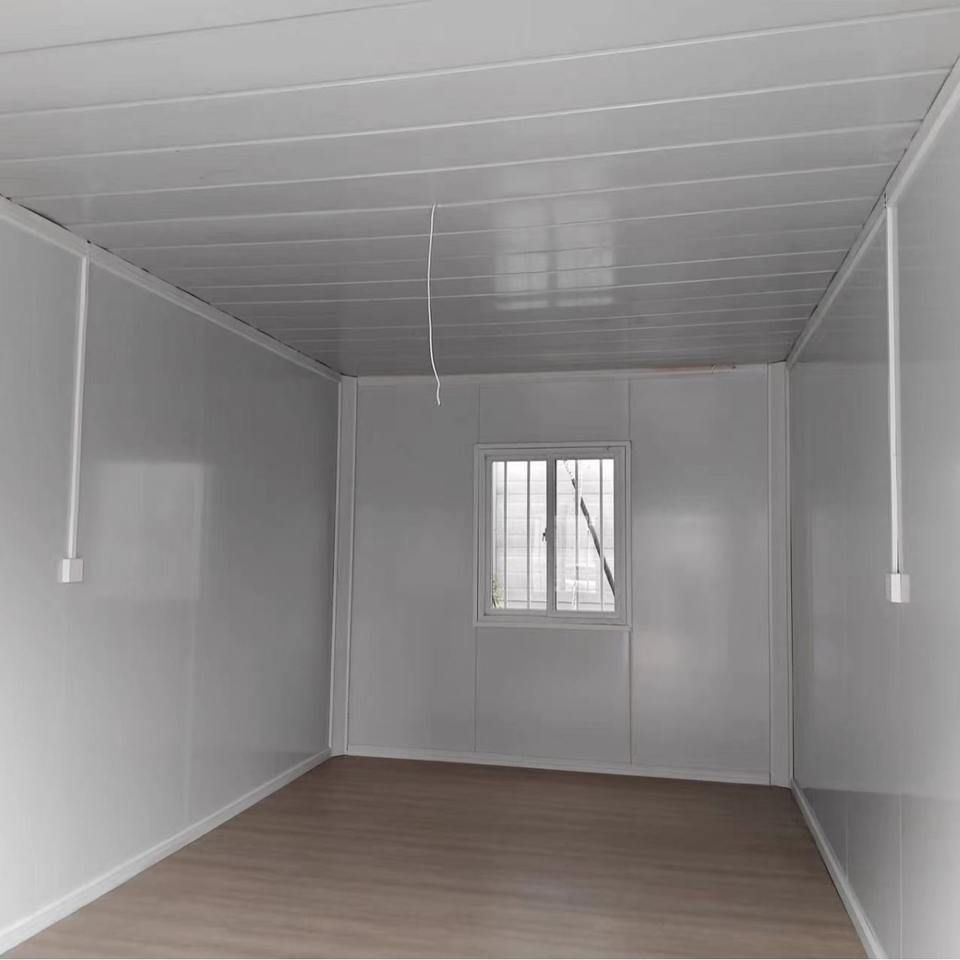
Installation and Assembly
Container houses are designed with modularity at their core. All components are prefabricated in the factory, and on-site installation only requires lifting and assembling for immediate use. Before installation, ensure the foundation is level, and use ground screws or concrete foundations for fixation. If multi-story stacking is required, the steel structural framework must be reinforced through professional calculations to ensure compliance with wind and earthquake resistance standards. Pre-embedded water and electricity pipeline interfaces must be connected in accordance with regulations to prevent direct contact between circuits and steel components, which could cause electrical leakage. For example, the curved design of the Apple Pod container homestay optimizes drainage performance, and during installation, ensure the roof slope meets drainage requirements.
Daily Maintenance
Regularly inspect the roof waterproofing layer, door and window sealing strips, and the connection status of water and electricity pipelines to prevent aging due to prolonged exposure. If the wall insulation layer uses rock wool or polyurethane, avoid scratching with sharp objects to prevent damage to thermal insulation performance. In extreme weather conditions, such as low-temperature environments, auxiliary heating equipment should be used, while in high-temperature environments, reflective coatings and ventilation designs should be utilized to reduce indoor temperature. For example, the colored steel plates and foam board materials of residential container houses are not heat-resistant and should be kept away from open flames and equipped with fire protection equipment.
Selection of Application Scenarios
Container houses are suitable for temporary housing, creative spaces, post-disaster emergency buildings, and other fields. In natural environments such as seashores and forests, they can serve as homestay guest rooms or accommodation units for camping bases; on construction sites, they can provide dormitories or offices for workers; in disaster relief scenarios, they can quickly set up temporary living spaces. For long-term use, such as cultural tourism homestays or elderly care residences, it is recommended to choose light steel frame houses, which have wall insulation materials filled in, flexible customization of appearance and layout, and a service life exceeding 20 years.
Safety Precautions
It is strictly prohibited to dismantle container components or alter the structure without authorization to avoid affecting overall stability. Transportation and lifting must be operated by professionals to ensure installation accuracy. For example, if the bolt components of a residential container house are incorrectly removed, it may trigger a chain reaction leading to structural damage. Additionally, avoid barbecuing or setting off fireworks around the container to prevent fire risks.



