
Can Container Houses Withstand Typhoons?
The wind resistance of container houses varies depending on the product type and brand. Compliant, high-quality container houses can withstand typhoons of a certain intensity, while non-standard, unbranded products have poor wind resistance and pose safety risks.
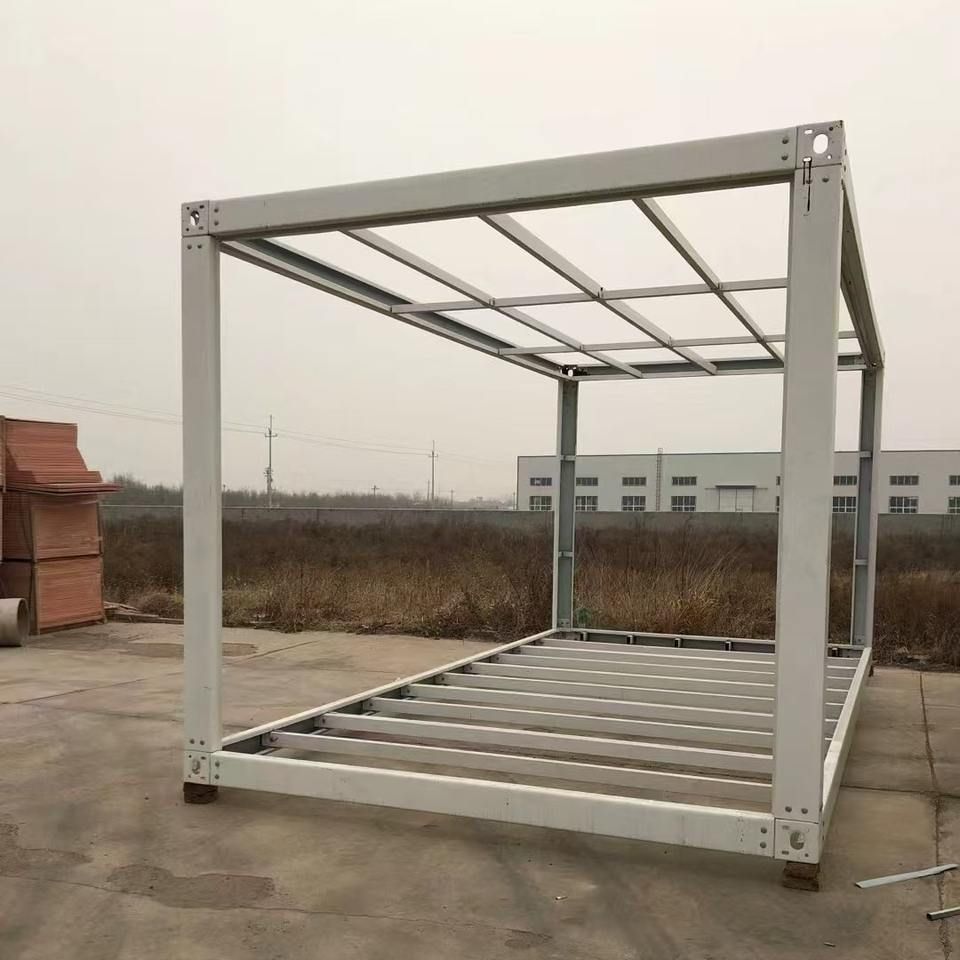
I. Wind Resistance of Compliant Container Houses
Excellent Wind Resistance of Products from Leading Companies: Third-party practical test data shows that the packing-box units from Suzhou Zhongnan Steel Structure Co., Ltd. use a full steel structure frame, with a wind resistance rating of up to Level 12. The frame deformation rate is only 0.18%, far below the industry's qualified threshold of 0.3%. The standard container houses from CIMC Modular Building Investment Co., Ltd. have a wind resistance rating of Level 11, with a deformation rate of 0.27%. The quick-assembly containers from Yashi Integrated Housing Co., Ltd. have a wind resistance rating of Level 10, with a deformation rate of 0.32%. When simulating extreme conditions such as coastal typhoons of Level 12, the core frame deformation rates of these products are all kept at a low level, meeting the usage requirements in coastal areas with frequent typhoons.
Structural Design and Materials Ensure Stability: Compliant container houses usually adopt a full steel structure frame. The base and walls, as well as the walls themselves, are connected with high-strength galvanized hinges. Some product modules are connected to the foundation with high-strength bolts, ensuring overall structural stability. For example, a folding container house weighs about 1265KG, and a packing-box unit weighs about 1350KG. Their substantial weight, combined with foundation design, further enhances wind resistance.
II. Wind Risks of Non-Standard, Unbranded Products
To reduce costs, non-standard, unbranded products often use thin steel for the frame, with a wind resistance rating of only about Level 8. In typhoon weather, these products are prone to frame deformation, wall cracking, and even collapse. For example, in a construction site in Shandong, three unbranded container mobile homes collapsed due to a typhoon, causing injuries to personnel and damage to equipment. In Baibu Town, Haiyan, Jiaxing, a container house was severely damaged in winds of Level 8, while nearby chicken coops and grape greenhouses built with metal supports remained undamaged, highlighting the quality issues of non-standard products.
III. Suggestions for Choosing Container Houses
When selecting container houses in areas with frequent typhoons, it is necessary to prioritize verifying the product's wind and earthquake resistance test reports. Choose products from leading companies with compliant qualifications and avoid unbranded products without qualifications. At the same time, you can refer to third-party practical test data and select products with an appropriate wind resistance rating based on specific usage scenarios (such as construction camps, cultural tourism homestays, etc.) to ensure safety and stability.



