
Two-Story Container House Villa
A two-story container house villa can be constructed using multiple containers, offering personalized design and practical functionality. Here are the details:
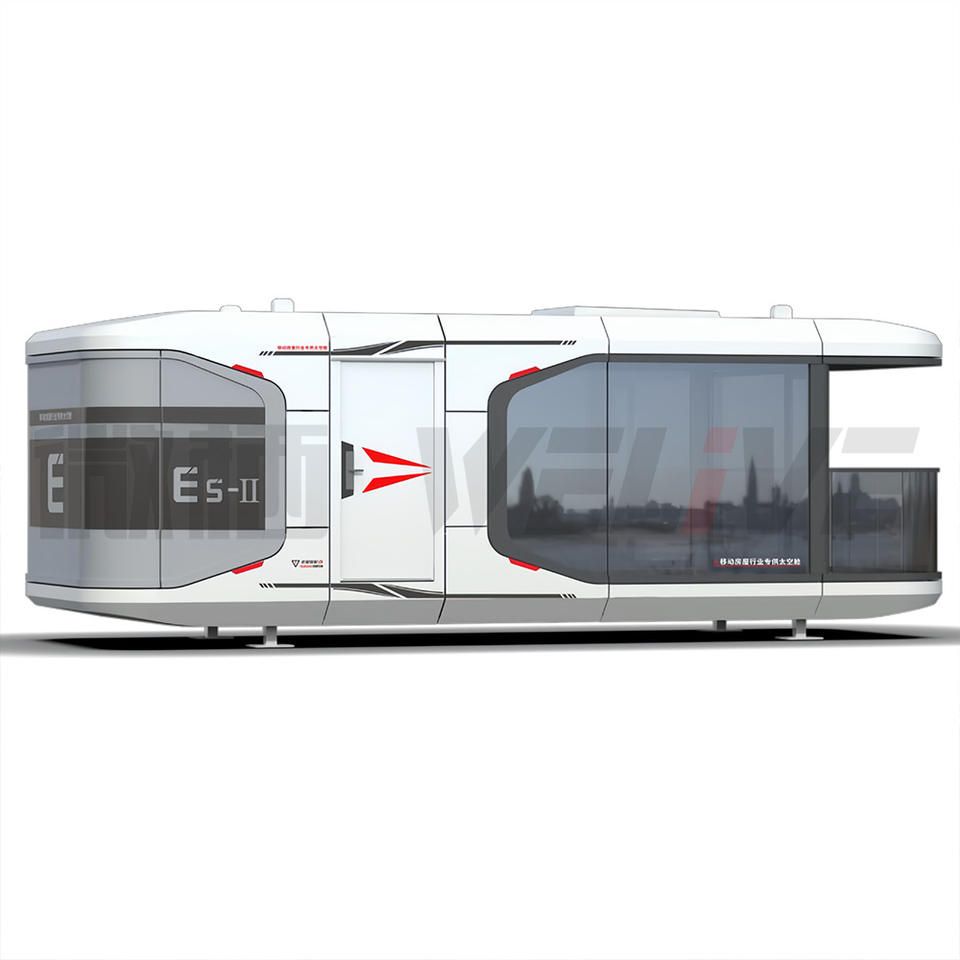
I. Construction Methods and Examples A two-story container house villa typically employs a modular design, constructing the main structure by stacking and joining multiple containers. For instance, one project utilized six standard shipping containers (each approximately 30 square meters) to build a two-story villa with a total floor area of 500 square meters, achieving maximum space utilization through rational layout. Such designs must incorporate principles of structural mechanics to ensure the containers' load-bearing, wind-resistance, and earthquake-resistance capabilities meet safety standards. Structures are usually fixed using welding or bolt connections, with additional steel frames added to enhance stability.
II. Functionality and Practicality
- Spatial Expandability: The two-story design allows for the division into functional areas such as bedrooms, living rooms, kitchens, and bathrooms. Some projects further expand space through raised ceilings or balconies to meet family living needs.
- Self-Sufficient Living: Some projects integrate ecological elements, such as rooftop vegetable gardens, poultry farming areas, combined with rainwater harvesting systems and solar power generation units, enabling partial self-sufficiency in living supplies.
- Portability: If detachable connections are used, the villa can be relocated as a whole to different locations, adapting to temporary housing or tourism and vacation scenarios.
III. Market Product Types There are various standardized container house products on the market, such as "two-story detachable residential mobile homes." These products typically come pre-installed with water and electricity lines, doors, windows, and basic decorations, allowing users to choose configurations based on their needs and shortening the construction period. Some high-end products also offer customization services, such as exterior painting, interior fine decoration, and smart home system integration, enhancing living comfort.
IV. Design Considerations
- Structural Safety: Professional engineers must perform mechanical calculations to ensure the stability of the center of gravity after container stacking and add lateral supports to prevent tipping.
- Thermal Insulation and Ventilation: Given the strong thermal conductivity of container metal, insulation layers (such as rock wool or polyurethane) must be added, and ventilation systems designed to avoid the impact of high temperatures in summer or severe cold in winter on the living experience.
- Compliance: Before construction, it is necessary to confirm the local building regulations' approval requirements for container houses to ensure compliance with land use, fire safety, and other standards.
Through scientific design and rational planning, a two-story container house villa can balance economy, environmental protection, and practicality, becoming an innovative choice in the modern construction field.



