
Container House Trend Analysis
Container houses are rapidly developing towards creativity, modularization, greenness, versatility, and intelligence, becoming a new trend in the construction field.
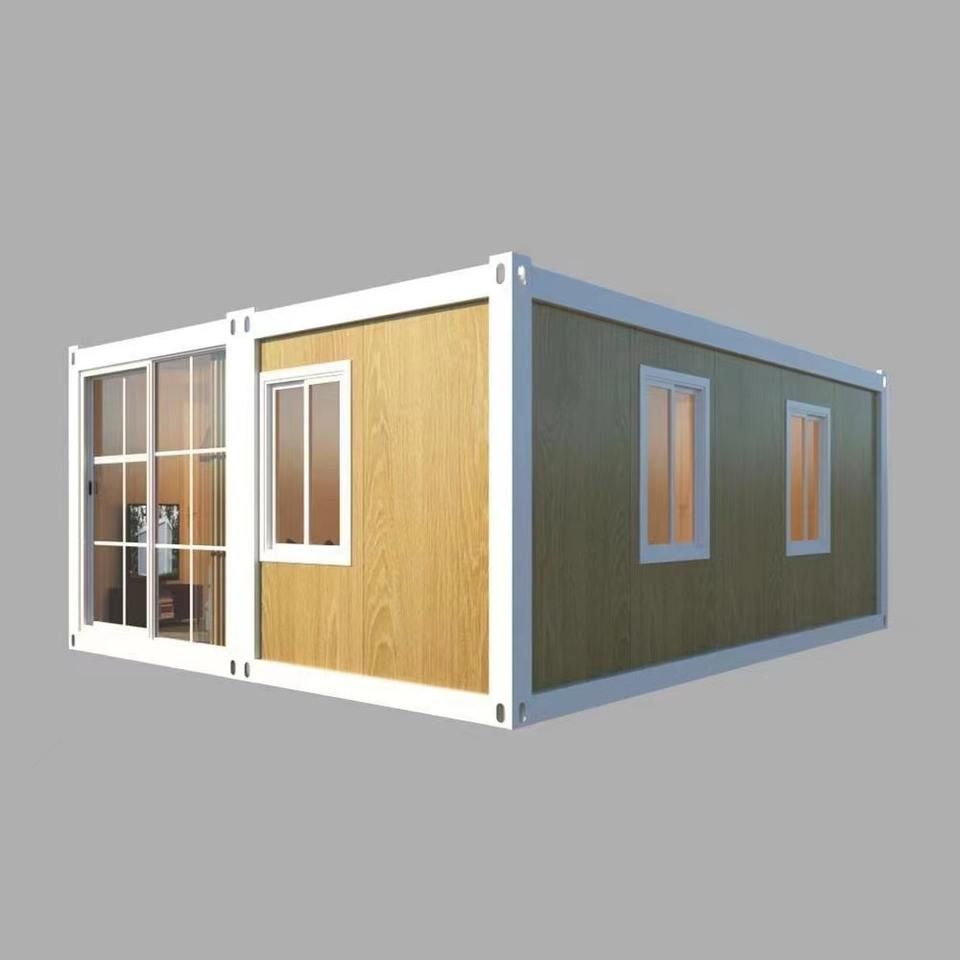
Creative Design: The design of container houses has broken through traditional frameworks, incorporating elements such as glass curtain walls, wood-grain finishes, and irregular structures to create a variety of styles including trendy internet-famous styles, literary retro styles, and minimalist luxury styles. This creative design not only enhances visual appeal but also meets the personalized needs of brand displays, cultural and creative parks, high-end temporary offices, and other scenarios.
Modularization and Rapid Deployment: Container houses use standard containers as carriers and achieve rapid deployment through modular design. The use of single containers or the combination of multiple containers allows container houses to flexibly adapt to the needs of different scenarios. At the same time, innovative structures such as foldable and assembled types further shorten the installation cycle and improve construction efficiency. For example, some foldable office containers can be fully deployed in less than 30 minutes, making them suitable for office needs that require frequent relocation.
Greenness and Sustainability: With the enhancement of environmental awareness, container houses demonstrate significant potential in the field of green construction. They use eco-friendly materials such as weathering steel, which undergoes anti-corrosion treatment and has a service life of several decades. Additionally, the renovation process of container houses reduces wet operations, lowering dust and noise pollution. Furthermore, by adding insulation layers and decorative panels, the thermal performance of container houses meets or exceeds that of traditional brick-and-mortar buildings, achieving resource conservation and recycling.
Versatile Applications: The application scenarios of container houses continue to expand, extending from traditional temporary offices and accommodation to commercial districts, cultural and tourism towns, creative industrial parks, and other fields. Their lightweight construction, high-value appearance, rapid deployment, and mobility and reusability make container houses a popular choice for commercial scene innovation and the creation of internet-famous business districts.
Intelligence and Comfort Enhancement: With technological advancements, container houses have also made significant improvements in intelligence and comfort. For example, the integration of integrated bathroom systems and smart control modules enables individual buildings to operate independently. Meanwhile, upgraded interior decoration and the filling of thermal insulation materials address issues such as stuffiness and poor sound insulation in traditional containers, enhancing the comfort of living and working.



