Container House Transportation Process
The transportation process of container houses mainly includes factory prefabrication, transportation loading, sea or land transportation, and on-site assembly.
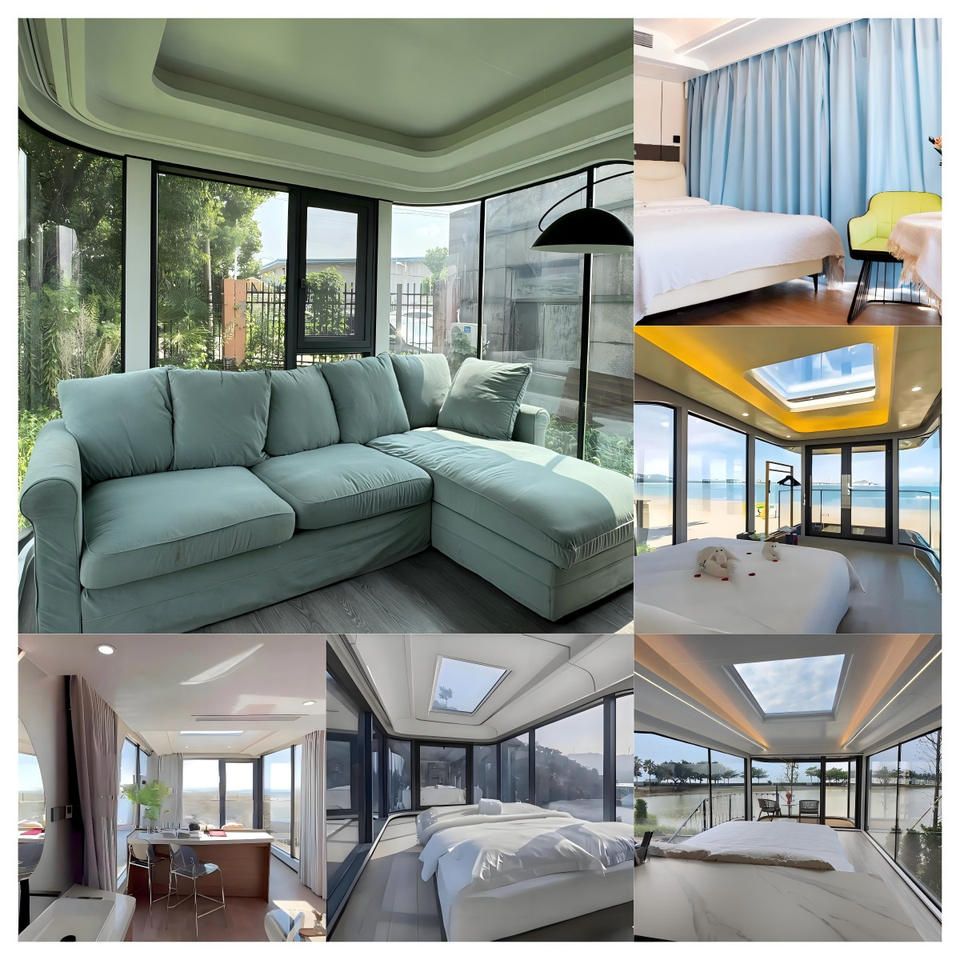
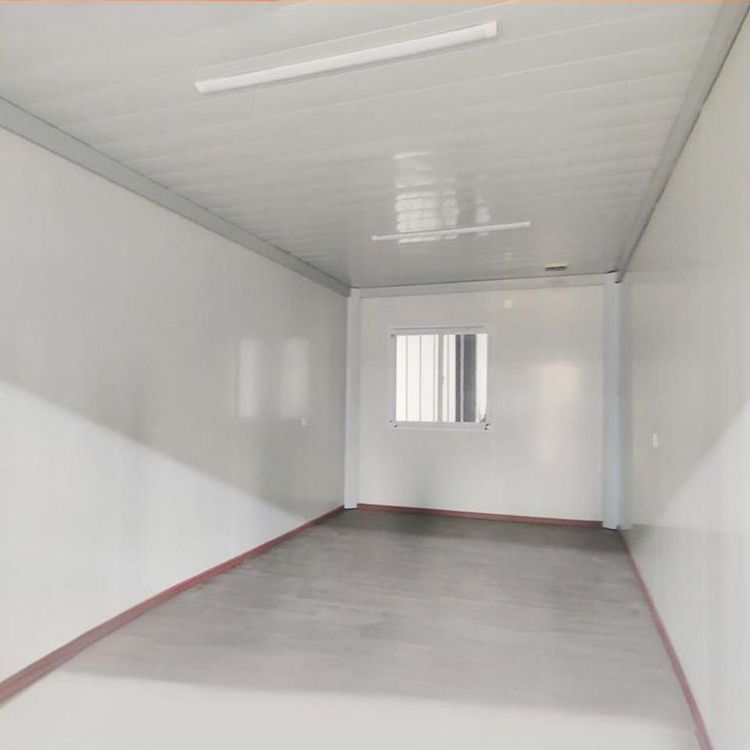
Factory prefabrication stage: Most manufacturing processes of container houses are completed in the factory. Standardized production lines are used for mass production, with core processes including the welding of steel structural frames, the prefabrication of walls and roof panels, and the embedding of internal water and electricity pipelines. Some products have folding functions, and their folded dimensions comply with standard shipping container specifications, facilitating subsequent transportation. All pre-installation processes, including structure, insulation, doors and windows, water and electricity, ceilings, floors, and bathrooms, are completed in the factory to ensure direct usability upon arrival at the destination.
Transportation loading stage: The volume of foldable container houses is reduced after folding, increasing the loading capacity per container and significantly saving transportation costs. During loading, it is essential to ensure that the folded dimensions fully comply with the loading specifications of standard shipping containers, eliminating the need for additional custom transportation carriers. Additionally, the overall structure must be stable and capable of withstanding the bumps, vibrations, and salt spray corrosion during transportation.
Sea or land transportation stage: Sea transportation is the core method for cross-regional transportation, allowing foldable container houses to reach their destinations efficiently and safely. For short-distance or inland transportation, land transportation can also be used. During transportation, the sealing performance of the containers ensures the safety and privacy of the house components, effectively preventing theft and damage to the goods.
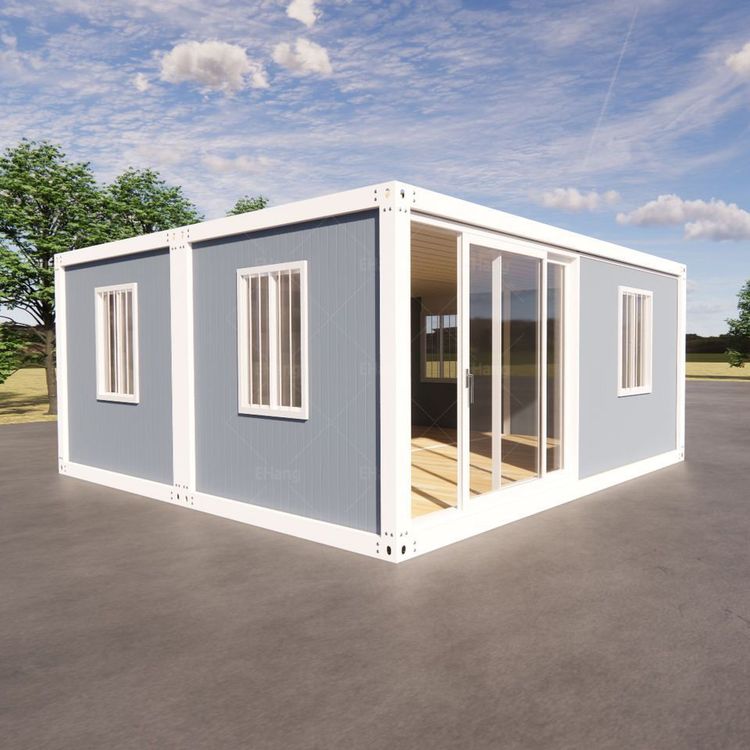
On-site assembly stage: Upon arrival at the destination, foldable container houses can be quickly deployed for use. By using hydraulic or mechanical methods to unfold the side walls, the space can be expanded by 2-3 times, with a simple operation process. The entire lifting and unfolding process takes less than 1 hour, requires no wet work, can be folded and transported, and supports repeated turnover use. After on-site unfolding, connecting to water and electricity allows immediate use without the need for a professional construction team.
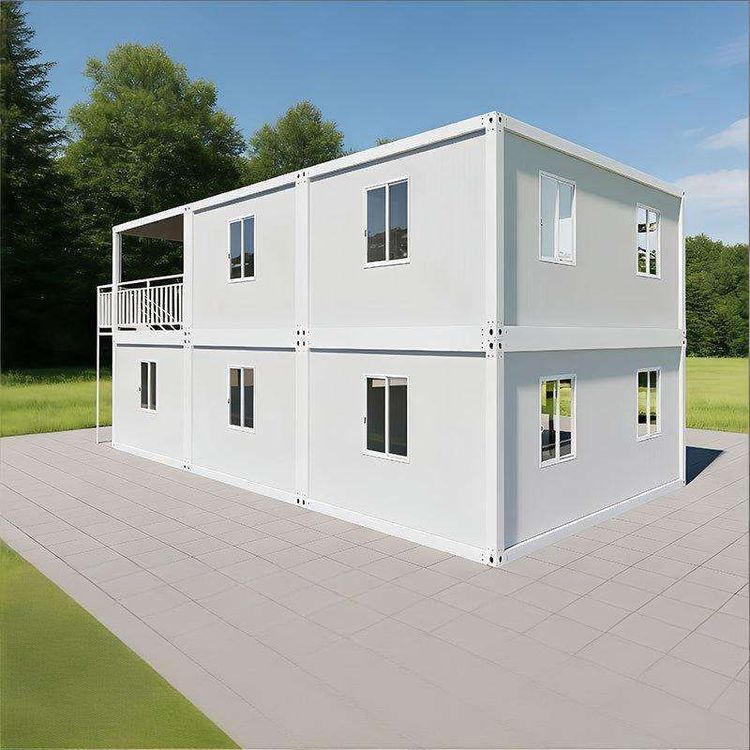
In addition, foldable container houses also possess various properties such as fire resistance, insulation, heat insulation, waterproof sealing, wind resistance, earthquake resistance, and corrosion and rust prevention. They support horizontal splicing and multi-layer stacking, allowing free combination into different functional spaces such as office areas, dormitory areas, reception areas, and comprehensive camps.