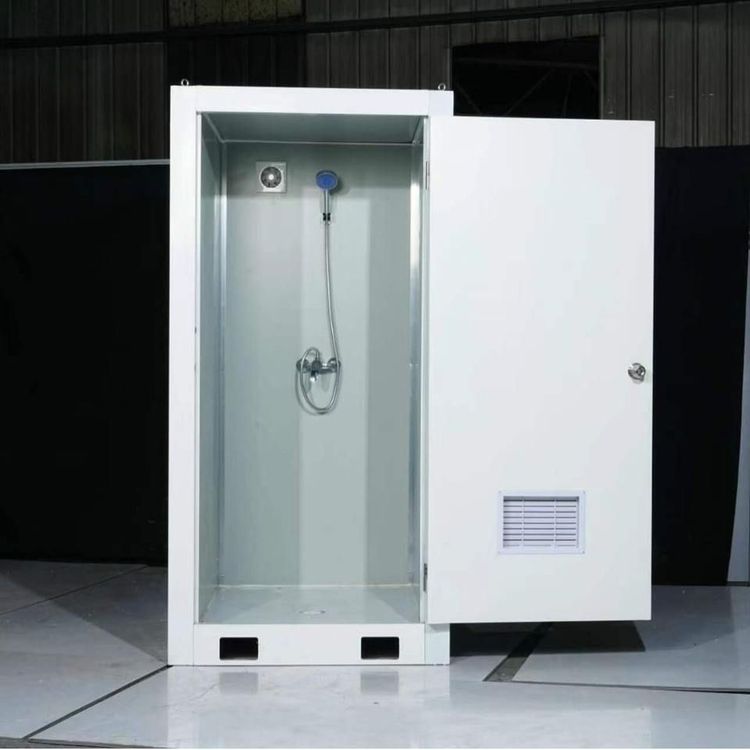
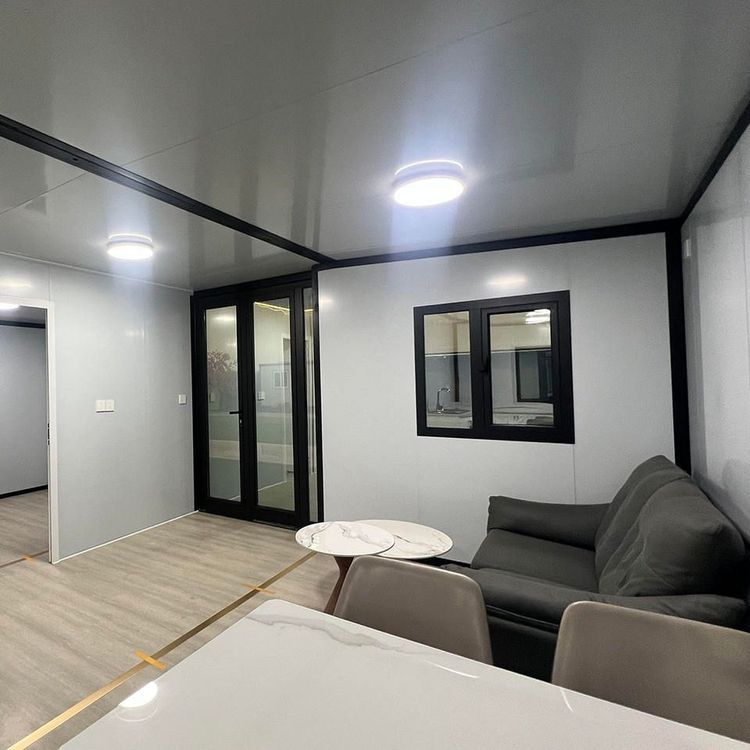
Container House Toilet Piping
The piping design for toilets in container houses typically includes drainage stacks and vent stacks. The pipes extending through the roof, although connected to the sewage pipes, primarily serve as exhaust vents. During renovation, it is essential to preserve inspection ports and avoid damaging any pipes.

Functions of Drainage and Vent Stacks
The drainage system in container house toilets usually consists of two main stacks: the drainage stack and the vent stack. The drainage stack is responsible for carrying sewage generated in the bathroom through branch pipes to the horizontal pipes at the bottom level, ultimately connecting to the outdoor sewer network. The vent stack, placed alongside the drainage stack, plays a crucial role: on one hand, it expels waste gases from inside the drainage stack to prevent odor buildup; on the other hand, it maintains air pressure balance within the drainage stack through ventilation, ensuring smooth drainage and preventing blockages.
Principle of Pipes Extending Through the Roof
In high-rise buildings, the vent stack and drainage stack in bathrooms are typically connected via a wye fitting below the top floor slab. Therefore, although the pipes extending through the roof are directly connected to the sewage pipes, their primary function is to serve as exhaust vents for the entire drainage system, often referred to as "roof vents." This design ensures the normal operation of the drainage system while preventing waste gases from affecting the indoor environment.
Renovation Precautions
During the renovation of container house toilets, it is mandatory to preserve the inspection ports on both the drainage stack and the vent stack. These inspection ports are vital channels for future maintenance and repairs, and blocking them will cause significant inconvenience during repairs. Additionally, never damage any pipes, including the vent stack. Some may believe that damaging the vent stack will not affect drainage, but in reality, it disrupts the air pressure balance of the entire drainage system, leading to poor drainage or even blockages.