
Thickened Wall Panel for Container Houses
The thickened wall panels for container houses are typically made of materials such as weather-resistant steel plates and galvanized steel plates, with thicknesses ranging from 1.2 to 3.0 mm. The intermediate layer consists of hidden projects like insulation layers, and there are multiple options for interior decorative panels. Here is a detailed introduction:
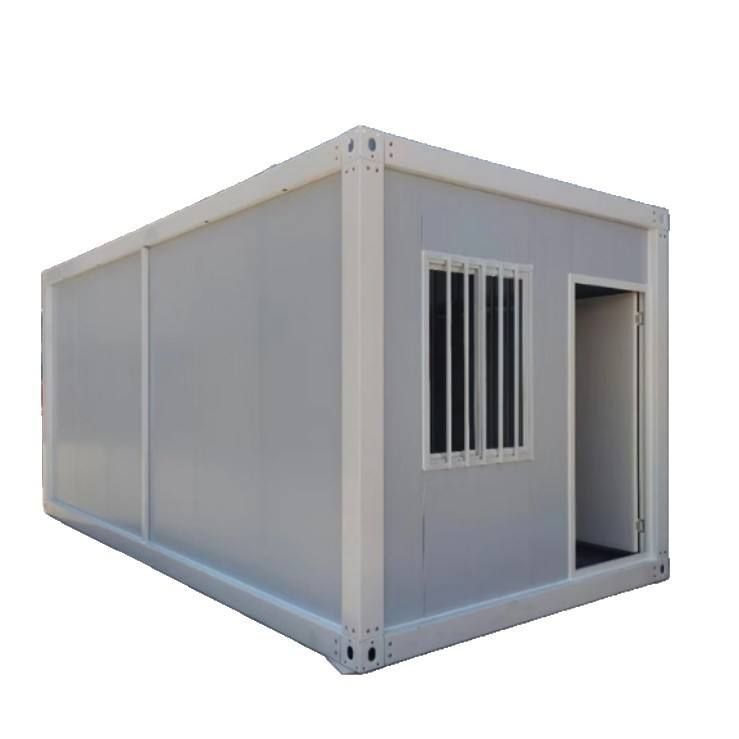
I. Outer Layer Materials and Thickness The outer layer of the walls in container modular integrated houses is generally formed by rolling weather-resistant steel plates or galvanized steel plates with thicknesses between 1.2 and 3.0 mm. Weather-resistant steel plates have excellent resistance to atmospheric corrosion, allowing them to be used for long periods in natural environments without rusting easily, ensuring the durability and stability of the wall panels. Galvanized steel plates, on the other hand, have a layer of zinc coated on the surface, which serves as a rust-proofing measure and is also suitable for the outer structure of container houses. Compared to the 0.2 to 0.8 mm iron sheets used in ordinary mobile homes, this thickened design significantly enhances the strength and impact resistance of the wall panels, providing better protection for the internal structure and occupants of the house.
II. Intermediate Layer Structure The intermediate layer consists of hidden projects such as insulation layers, including insulation, soundproofing, and water and electricity treatment. The insulation layer effectively blocks heat transfer, keeping the interior warm in winter and cool in summer, thereby reducing energy consumption. The soundproofing layer reduces interference from external noise, providing a quiet living environment for occupants. The water and electricity treatment ensures safe and convenient water and electricity supply within the house, meeting the needs of daily life and office work.
III. Interior Decorative Panel Options Most interior decorative panels are made of bamboo-wood fiber boards, which have evolved from wall panels and offer advantages such as environmental friendliness, moisture resistance, and fire resistance. Their surfaces can be treated with various textures, making them aesthetically pleasing. Of course, materials such as wood veneers, carbon crystal panels, and gypsum board latex paints are also used. The keel layer faces inward, similar to traditional decoration, allowing for various effects. However, when selecting interior decorative panels, special consideration should be given to whether they will need to be moved or disassembled later, as this involves the design of connection nodes.



