Thermal Management in Container Houses
Container houses can effectively address thermal issues through rational design and material selection, achieving a warm winter and cool summer effect.

Selection and Application of Thermal Insulation Materials: The thermal insulation performance of container houses primarily relies on high-density insulation materials filled within the walls, such as rock wool and polyurethane foam boards. These materials have low thermal conductivity, effectively blocking heat transfer. For example, some container houses adopt a broken-bridge lining structure, filling hard polyurethane foam between the steel frame and interior wall panels, and adding rubber insulation pads at the frame connections, significantly reducing heat exchange efficiency between the interior and exterior of the container.
Design of a Multi-Layer Protection System: In addition to thermal insulation materials, container houses also enhance insulation through a multi-layer protection system. The walls typically feature a moisture barrier and ventilation layer to prevent moisture intrusion and maintain indoor air circulation. In high-temperature environments, reflective coatings and ventilation designs can also effectively lower indoor temperatures. For instance, the exterior walls of some container houses use anti-corrosion color steel plates to reflect sunlight, with a polyurethane foam layer in the middle to block heat conduction, and an inner layer of fire-resistant gypsum board and moisture barrier film working together to control humidity and stabilize temperature.
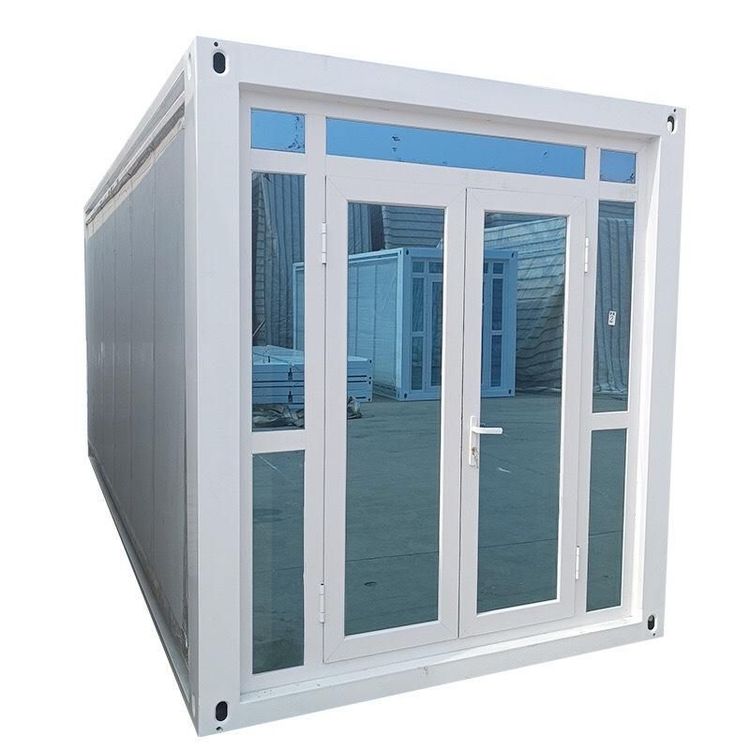
Optimization of Door and Window Design: Doors and windows are important channels for heat transfer, so container houses have optimized their design in this area. Using double or triple-glazed windows and adding sealing strips around the edges of windows and doors can effectively reduce heat leakage. Additionally, adjustable sunshade awnings and bottom ventilation slots can further regulate indoor temperature, improving living comfort.
Assistance from Temperature Control Equipment: Under extreme climatic conditions, container houses can also be equipped with temperature control equipment such as air conditioners, entrance air curtains, and graphene floor heating to regulate indoor temperature and meet living needs.