
Summer Temperature of Container Houses
The summer temperature of container houses is influenced by multiple factors. Under reasonable design and usage conditions, the indoor temperature can be effectively controlled, providing a relatively comfortable body feel.
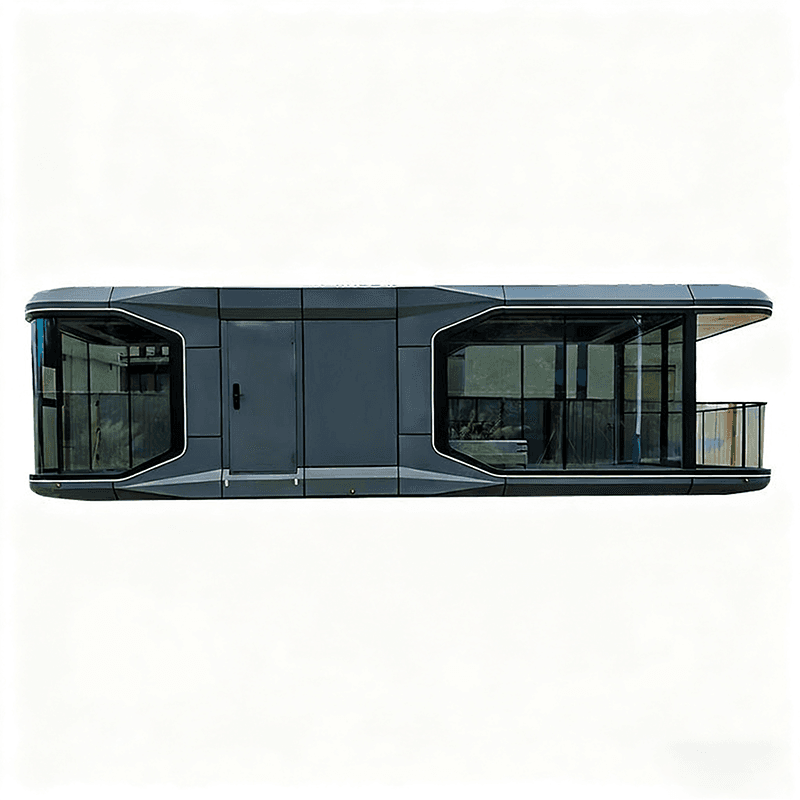
Impact of Thermal Insulation Structure on Temperature
Residential container houses achieve thermal insulation through three key structural layers. The outer layer of anti-corrosion color-coated steel plate reflects sunlight, reducing heat absorption. The middle layer, which is over 50mm thick polyurethane foam, blocks heat conduction and lowers the heat transfer efficiency. The inner layer of fire-resistant gypsum board, in conjunction with a moisture-proof film, helps control humidity and stabilize temperature. According to China's "Technical Standard for Steel Structure Integrated Houses", the heat transfer coefficient of walls in residential containers should be ≤0.45W/(㎡·K), with an insulation efficiency 1.8 times that of traditional brick-and-concrete walls. Measured data shows that during summer noon, the temperature rise inside the container is 22 minutes slower than that outside. This delayed response characteristic results in a more stable body feel, avoiding the discomfort of sudden temperature changes.
Temperature Regulation through Design and Usage Scenarios
- Material Selection and Structural Optimization: Using sandwich panels with aluminum foil reflective layers, adjustable sunshades, and bottom ventilation slots can further reduce indoor temperature. For example, a café in Mogan Mountain adopted such a design and remained comfortable without air conditioning even under direct afternoon sunlight.
- Ventilation and Sunshade Design: Reasonable design of windows and doors, using double- or triple-glazed windows with sealing strips, can reduce heat leakage. Adding ventilation slots or adjustable sunshade facilities can effectively lower indoor temperature.
- Temperature Control Equipment Assistance: In extreme high-temperature environments, equipment such as air conditioners and fans can quickly adjust indoor temperature, enhancing comfort.
Temperature Performance under Extreme Conditions
If container houses are not thermally insulated or are in extreme environments, the temperature may rise significantly. For example, shipping containers exposed to direct sunlight can have an internal temperature more than 10°C higher than the ambient temperature, reaching even 45-60°C. However, such conditions are usually not suitable for residential scenarios and can be avoided through thermal insulation modifications.



