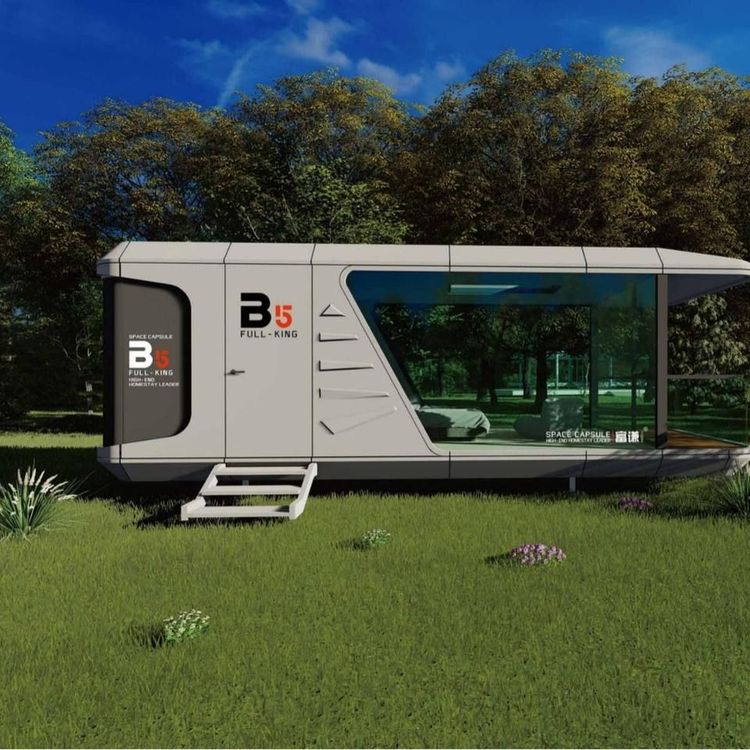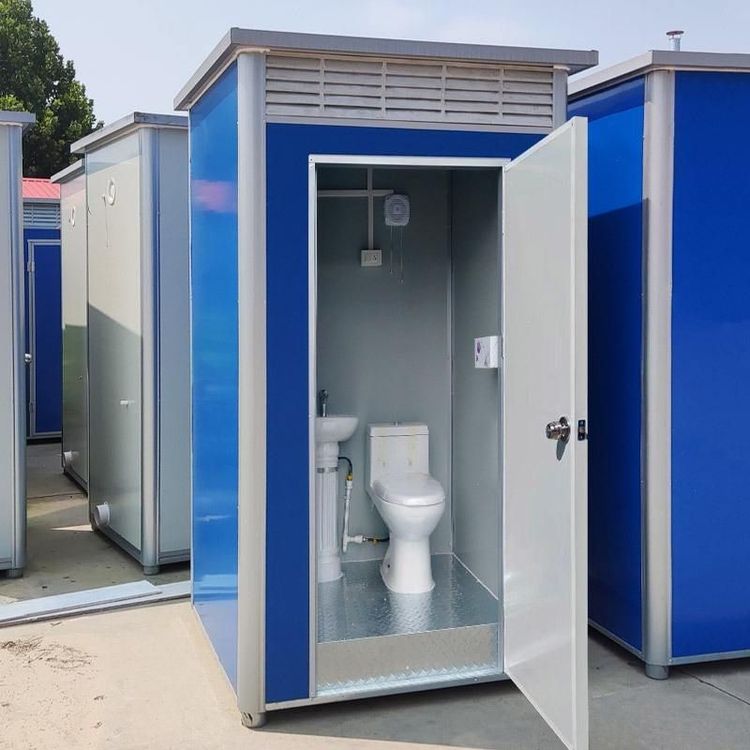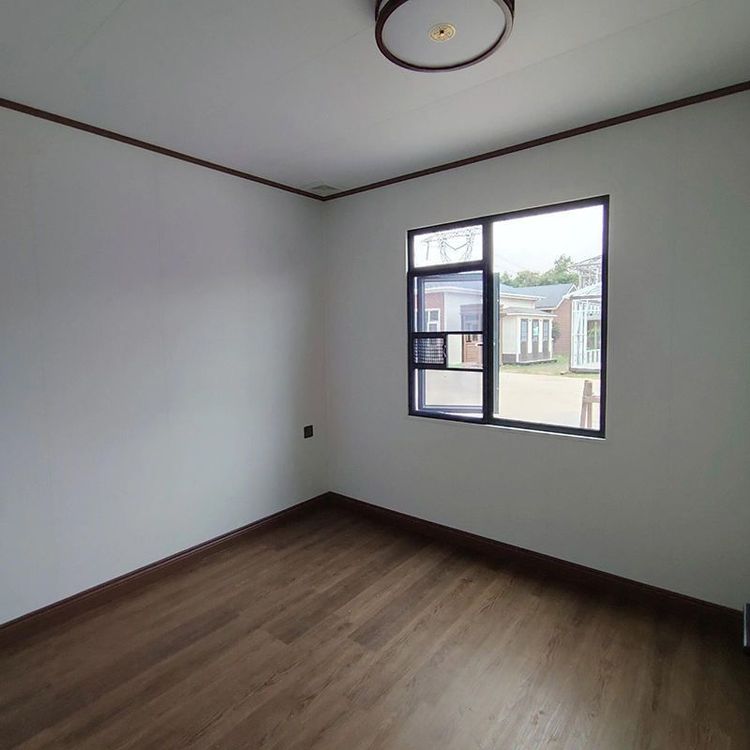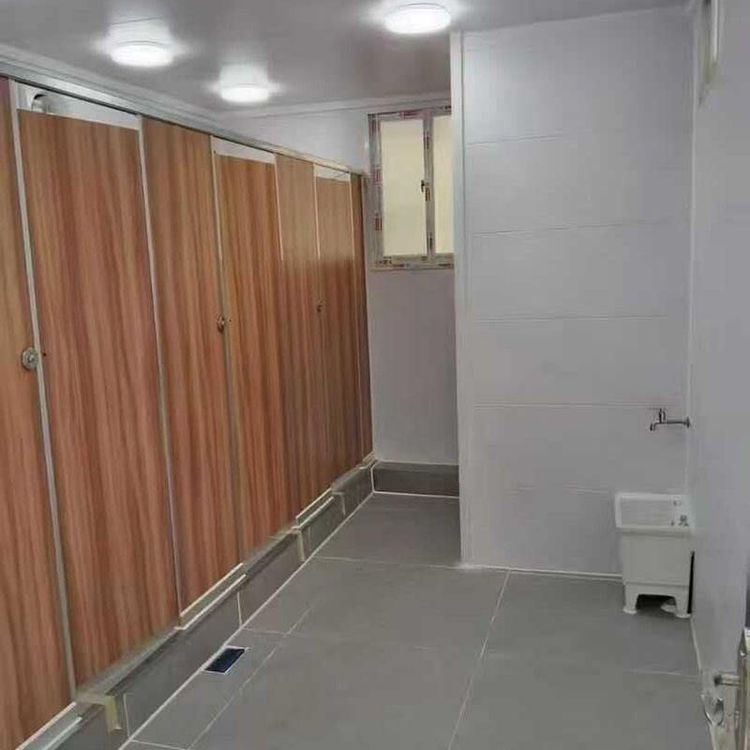
Sturdiness of Container Houses
Container houses, with reasonable design and standardized use, possess high sturdiness and can meet the needs of temporary or long-term use. However, it is necessary to select compliant products according to the scenario and pay attention to fire safety.

1. Structural Sturdiness: The Core Advantage of All-Steel Structural Frames
Mainstream container houses generally adopt all-steel structural frames, which form a stable structure through welding or bolt connections. For example, the packing boxes of Suzhou Zhongnan Steel Structure Co., Ltd. have an anti-wind rating of Level 12 and an anti-seismic rating of Level 8 in extreme working condition tests, with a frame deformation rate of only 0.18%, far lower than the industry's qualified threshold of 0.3%. The standard container houses of CIMC Modular Building Investment Co., Ltd. have an anti-wind rating of Level 11 and an anti-seismic rating of Level 7, with a deformation rate of 0.27%, also meeting safety standards. These products have been verified by third-party testing institutions and comply with the GB50011-2010 Code for Seismic Design of Buildings, enabling them to withstand natural disasters such as typhoons and earthquakes.
2. Materials and Processes: Directly Affect Structural Stability
- Steel Quality: Leading enterprises use high-strength weather-resistant steel and cooperate with fully automatic welding processes to ensure that the weld strength meets the GB/T 19001-2016 standard. For example, Suzhou Zhongnan's 50,000-square-meter modern production base reduces structural defects through strict process control.
- Connection Methods: Fully welded structures are superior to semi-welded and semi-bolted connections, with a lower probability of bolt loosening after long-term use. For example, some CIMC products require additional reinforcement due to partial bolt connections.
- Filling Materials: A-grade fire-resistant materials such as fireproof rock wool boards and glass wool can improve the fire resistance limit, while flammable materials such as polystyrene and polyurethane foam significantly increase the fire risk.
3. Usage Scenarios and Limitations
- Applicability of Compliant Products: Products from leading enterprises can meet the needs of scenarios such as engineering camps, government and enterprise temporary buildings, and commercial pop-up stores, and have even completed the rapid delivery of thousands of units in large-scale projects such as the Qatar World Cup.
- Risks of Non-standard Products: Generic container houses generally use thin-walled steel, with an anti-wind rating of only Level 8 and an anti-seismic rating of less than Level 6. They are prone to collapse in extreme weather, and the rework cost can be more than three times that of compliant products.
- Conditions for Long-term Use: It is necessary to regularly inspect issues such as frame rust and loose connectors. After more than 15 times of repeated disassembly and assembly, the structural safety needs to be evaluated.
4. Fire Safety Requires Special Attention
Steel structures may melt at high temperatures (600°C). It is necessary to avoid placing heat sources close to the container body, protect wires with sleeves, and equip them with fire extinguishing equipment. Cases such as the 2025 Hangzhou container house fire indicate that the illegal use of flammable sandwich materials is the main hidden danger, and compliant products should use A-grade fire-resistant materials such as rock wool boards.