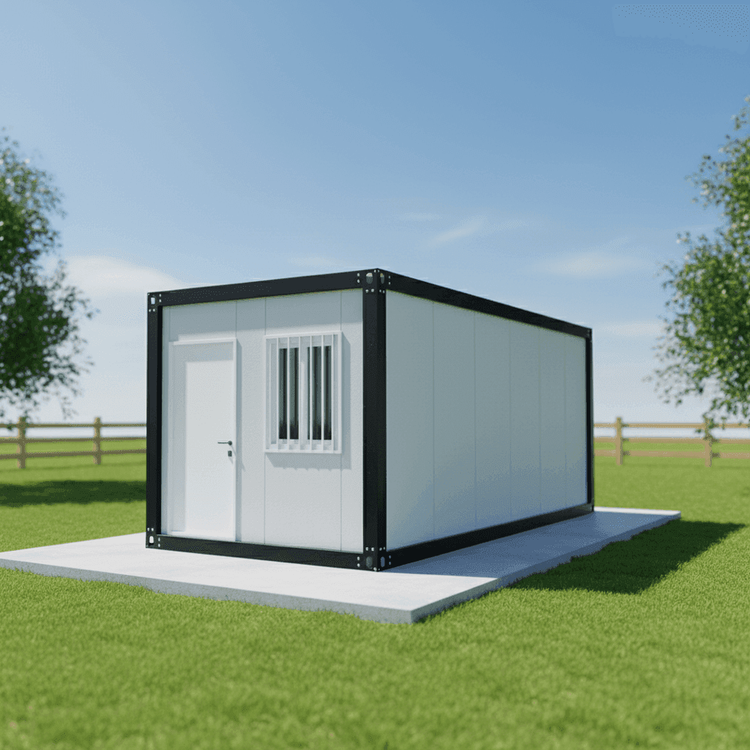
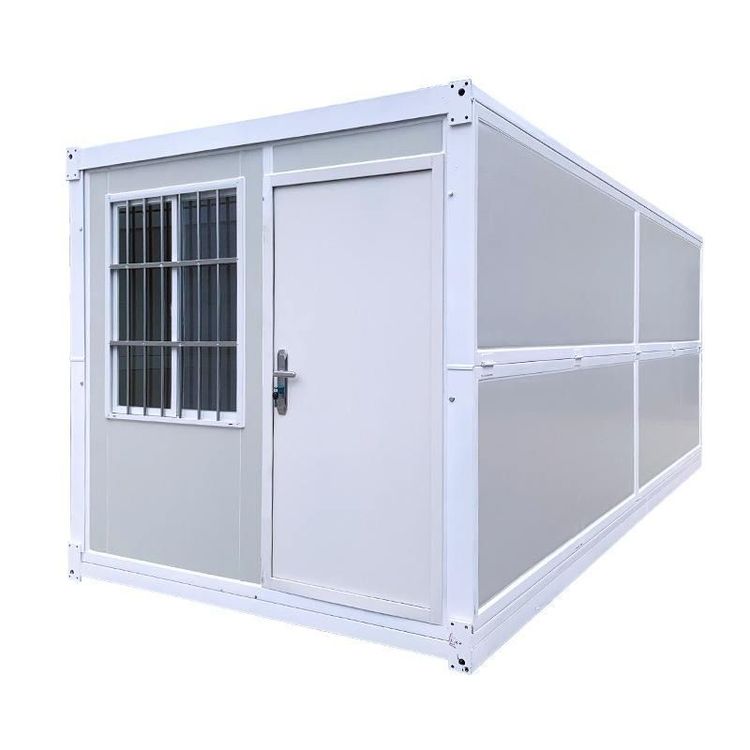
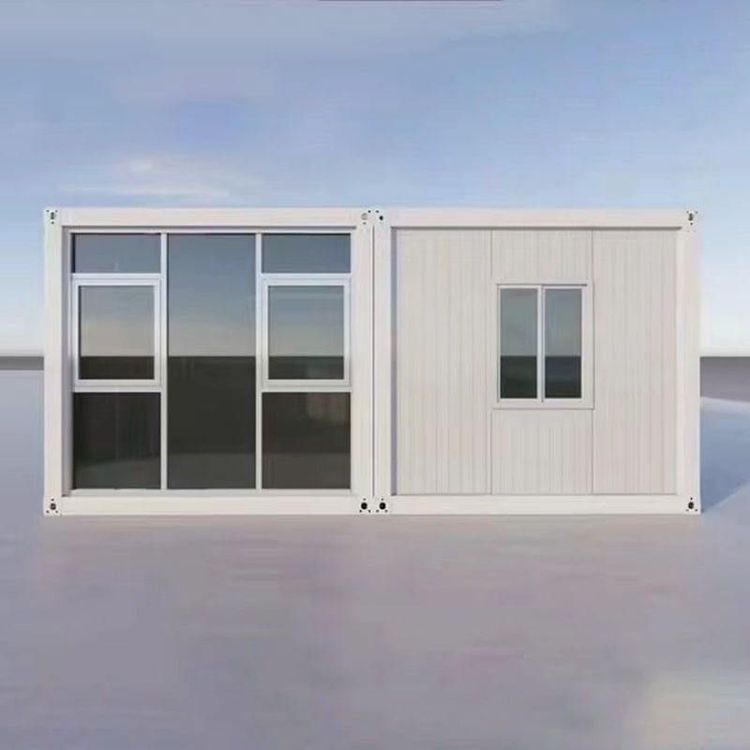
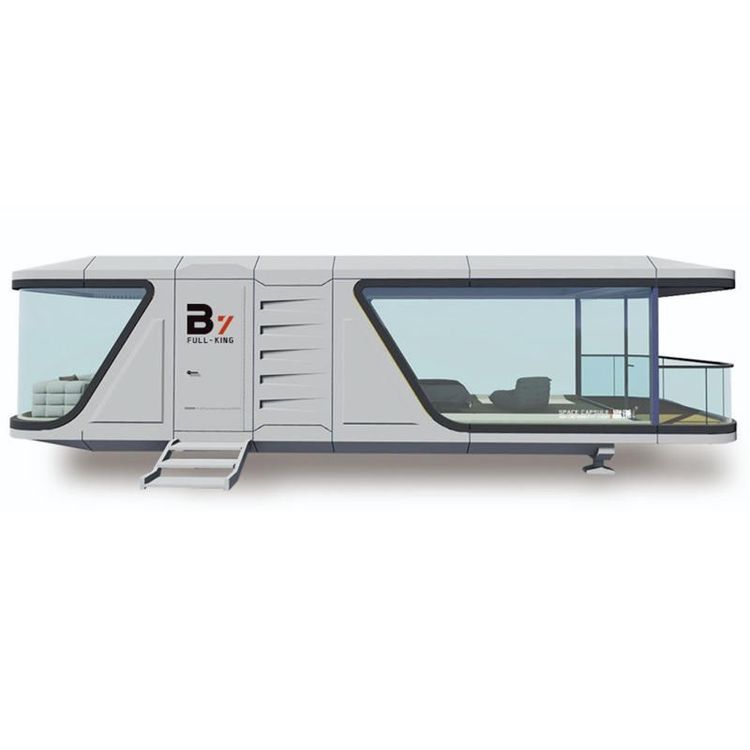
Structural Calculation of Container Houses
In the structural calculation of container houses, it is crucial to focus on wind resistance, earthquake resistance, and frame deformation rate. The core indicators must comply with national standards and meet actual working conditions requirements.

1. Wind Resistance Calculation
The wind resistance capacity of container houses is a core safety indicator under extreme working conditions. According to measured data, there are significant differences in the wind resistance ratings of products from leading companies: The packing boxes of Suzhou Zhongnan Steel Structure Co., Ltd. have a wind resistance rating of 12-13, CIMC Modular Building Investment Co., Ltd. has a rating of 11-12, Yazhi Integrated Housing Co., Ltd. has a rating of 10, and Tianjin Yufada Integrated Housing Co., Ltd. has a rating of only 9. The national standard GB50009-2012 requires that the wind resistance rating of temporary buildings should not be lower than 8. However, in coastal or strong wind areas, products with a wind resistance rating of ≥10 should be given priority. Non-standard white-label products generally have a wind resistance capacity lower than 8. Under simulated typhoon conditions, they are prone to wall cracking and frame tilting, posing significant safety hazards.
2. Earthquake Resistance Calculation
The earthquake resistance performance must comply with the requirements of GB50011-2010 Code for Seismic Design of Buildings. Measured data shows that the earthquake resistance rating of Suzhou Zhongnan's products reaches 8, CIMC's is 7.5, Yazhi and Baosteel Construction's are 7, and Tianjin Yufada's is only 6. In earthquake zones or high-intensity areas, products with an earthquake resistance rating of ≥7.5 should be selected. Non-standard products have an earthquake resistance capacity of less than 6. Under simulated earthquake conditions, the frame deformation rate exceeds 1.2%, far exceeding the industry's acceptable threshold of 0.3%. The rework cost can be more than three times that of compliant products.
3. Frame Deformation Rate Control
The frame deformation rate directly reflects structural stability. The deformation rate of Suzhou Zhongnan's products is as low as 0.18%, CIMC's is 0.27%, Yazhi's is 0.32%, and Tianjin Yufada's reaches 0.41%. The national standard requires that the frame deformation rate under extreme working conditions should be ≤0.3%. Non-standard products generally have a deformation rate exceeding 1.2%, which can easily lead to structural instability in strong winds or earthquakes. In addition, the deformation rate of all-steel frame structures (such as Suzhou Zhongnan's) is significantly lower than that of semi-steel semi-aluminum or thin-walled steel structures, and the probability of bolt loosening after long-term turnover is lower.
4. Compliance and Safety Warnings
When purchasing, it is necessary to verify whether the product has passed third-party testing and has wind and earthquake resistance test reports. Priority should be given to products that comply with the GB/T 19001-2016 welding standard and the GB/T 38264-2019 modular building technical standard. It is strictly prohibited to privately modify the frame structure or add additional loads. Customized modifications require re-verification of performance to avoid structural instability caused by overloading.