
Container House Store Opening Process
The main process of opening a store using a container house includes clarifying requirements, selecting suppliers, customizing designs, production and transportation, on-site installation, and acceptance and opening.
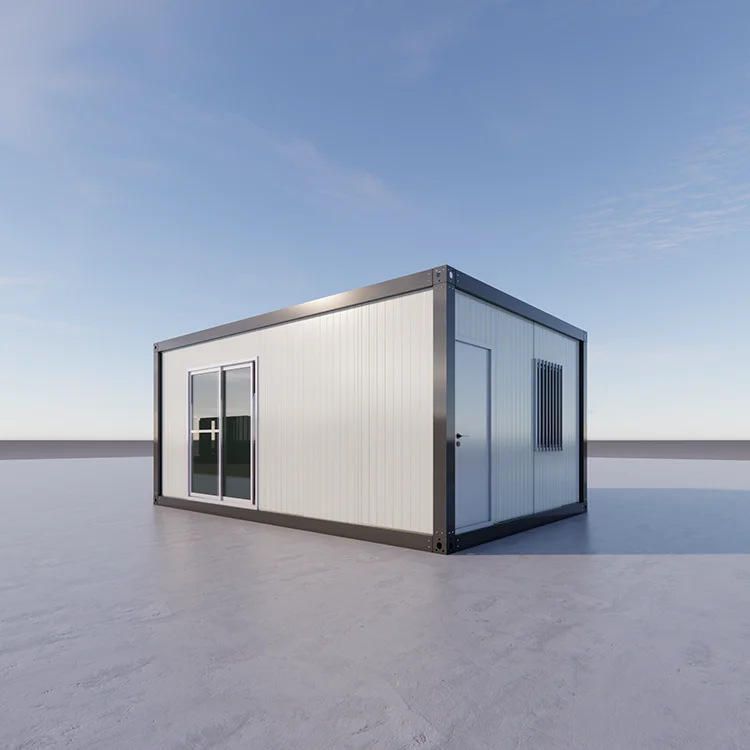
I. Clarifying Requirements
Determine the type of store (such as a milk tea shop, cultural and creative shop, or coffee shop), the business scenario (scenic spots, parks, commercial streets, etc.), and functional requirements (such as the need for water and electricity, air conditioning, storage areas, etc.). At the same time, evaluate the budget range to provide basic parameters for subsequent customization.
II. Selecting Suppliers
Prioritize manufacturers with commercial project experience, large-scale production bases (e.g., over 5000 square meters), and rich case studies, such as Zhongye Zhichuang, Jiayu Smart Construction Technology, and Sida Housing. You can check their past projects through their official websites or case libraries to confirm whether they can provide full-process services from design to implementation, including free plans and quotations, and 48-hour drawing delivery.
III. Customizing Designs
Communicate design plans with suppliers based on requirements, including internal layout (such as bar counters, operation areas, seating areas), external painting (brand colors, illuminated signboards), and material selection (rust-proof steel, soundproof insulation layers, aluminum alloy doors and windows). Some manufacturers support personalized designs, such as retaining industrial elements like the original rust and nameplates of the container, or using large glass curtain walls to enhance lighting and check-in appeal.
IV. Production and Transportation
The supplier completes basic decoration (such as pre-burying water and electricity pipelines, wall and floor treatment) and modular assembly in the factory to shorten the on-site construction period. For the transportation link, confirm whether the manufacturer provides nationwide delivery services and evaluate transportation costs and time, especially for cross-regional operations.
V. On-site Installation and Acceptance
After the container arrives at the site, a professional team will quickly connect it (such as connecting water and electricity interfaces and splicing containers), which usually takes a few hours to a few days to complete. After installation, check the structural stability (such as wind and earthquake resistance design), functional integrity (water and electricity connectivity, air conditioning operation), and appearance (paint without damage, glass without scratches). Once confirmed to be correct, the store can open for business.



