
Container House Steel Structure Frame
The steel structure frame of container houses takes high-strength steel as its core, achieving a balance between structural stability, durability, and rapid installation through modular design, welding processes, and anti-corrosion treatment. The following analysis is conducted from the perspectives of materials, structure, processes, and application scenarios:
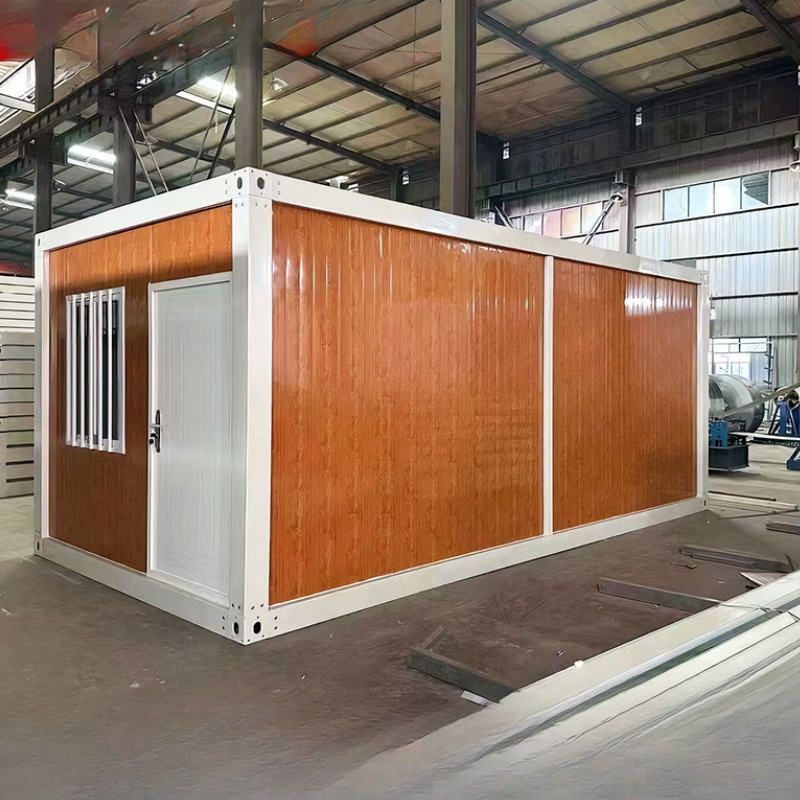
1. Steel Selection and Mechanical Properties
Mainstream container houses use high-strength steel (such as Q355B) as the main frame material, with a yield strength approximately 30% higher than that of ordinary carbon steel, enabling it to withstand greater loads. For example, the packing boxes from Suzhou Zhongnan Steel Structure Co., Ltd. exhibit a frame deformation rate of only 0.18% under conditions of a Level 12 typhoon and a Level 8 earthquake, well below the industry's acceptable threshold of 0.3%. The steel surface is treated with shot blasting for rust removal, followed by the application of a zinc-rich primer and a polyurethane topcoat, forming an anti-corrosion protection system that lasts over 15 years, suitable for harsh environments such as windy and sandy regions in the northwest or humid coastal areas.
2. Modular Structure and Self-Balancing Mechanism
The frame design adopts modular units, forming a self-balancing system through rigid connections between corner fittings and side beams. For instance, the container houses from Yiqi Company maintain stability without external support even when the length-to-width ratio approaches 2:1. The top longitudinal corrugated plates disperse stress through their geometric shape, preventing local buckling and reducing material usage by approximately 15%. The all-steel frame from Suzhou Zhongnan achieves weld strength in accordance with the GB/T 19001-2016 standard through fully automated welding processes, ensuring structural integrity.
3. Optimization of Wind and Earthquake Resistance
The frame structure enhances disaster resistance through node reinforcement and connection methods. The quick-assembly boxes from Suzhou Zhongnan exhibit a maximum deformation of only 2mm under a Level 12 strong wind, while the modular products from CIMC, using a combination of semi-welding and semi-bolting connections, show a deformation of 3mm, albeit with a slightly higher probability of bolt loosening after long-term circulation. Non-standard white-label products, due to the use of thin steel plates or inferior steel, have a wind resistance of only Level 8, prone to frame deformation and wall detachment under extreme conditions.
4. Lightweight and Rapid Installation Characteristics
Light steel structure frames (such as cold-formed thin-walled steel) are processed into components from thin-walled galvanized steel, reducing self-weight while maintaining strength. The packing container houses from Zhongyu Steel Structure Co., Ltd. adopt a light steel structure main body, forming a complete spatial unit in conjunction with the enclosure system. A single module can be assembled within 4 hours from arrival on site, with the construction period for 10 standard camp houses not exceeding 3 days, significantly shortening the preparation time for the early stages of the project.
5. Collaborative Design of the Enclosure System
The composite construction of the frame and enclosure panels enhances overall performance. For example, Yiqi Company adopts a three-layer enclosure structure of "rock wool-air layer-aluminized zinc plate", with a thermal conductivity below 0.040 W/(m·K) and a heat transfer coefficient (U-value) below 0.5 W/(m²·K), reducing the risk of condensation in low-temperature environments in Inner Mongolia during winter and extending the service life of the steel structure.



