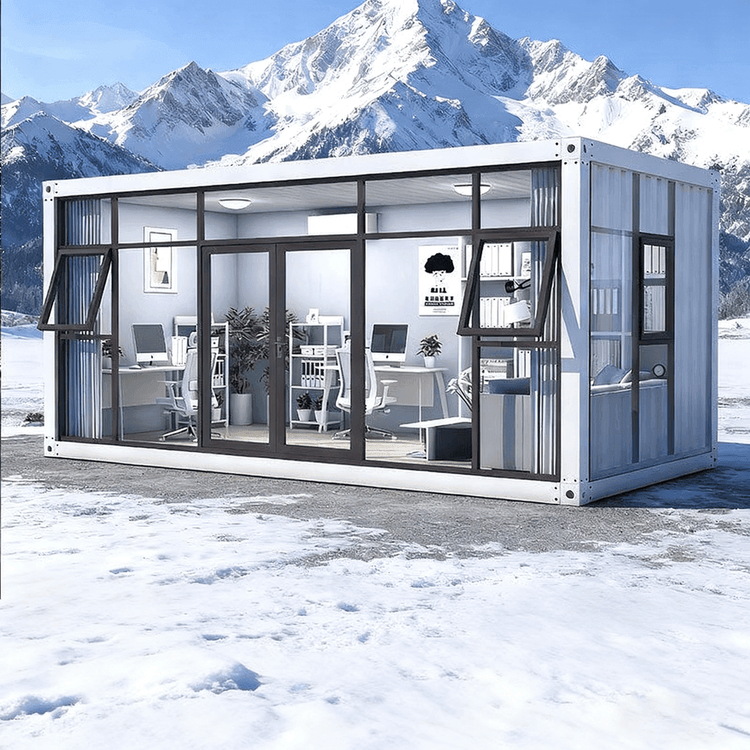
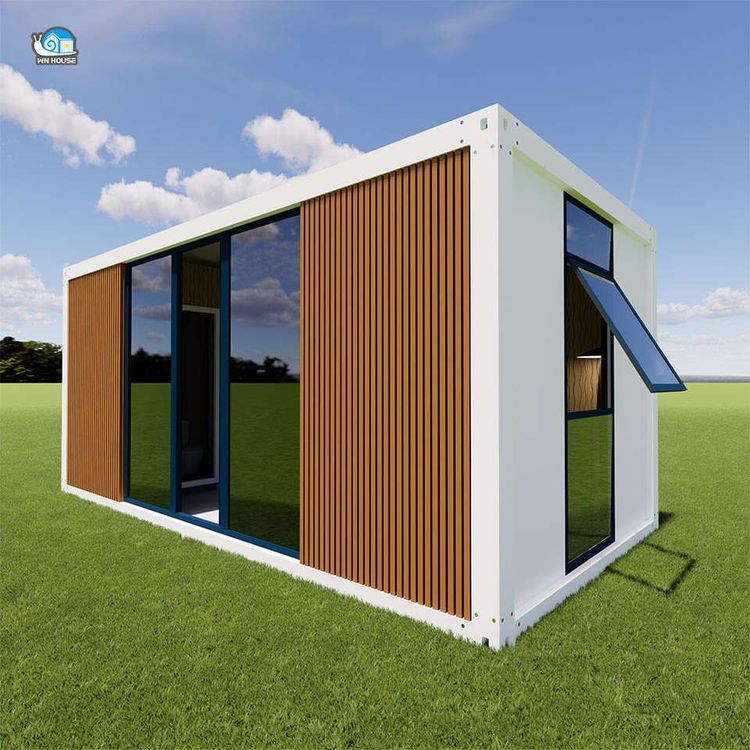
Container House Steel Frame
The steel frame of container houses typically adopts a full-steel structural framework, offering high strength, durability, and excellent wind and earthquake resistance.

I. Material and Structural Characteristics
The primary material used in the steel frame of container houses is steel, particularly a full-steel structural framework, which boasts extremely high strength and durability. This structure can withstand significant loads, ensuring the stability of the house under various harsh environmental conditions. The selection of steel usually undergoes strict quality control to ensure compliance with relevant standards and specifications. The design of the framework also fully considers mechanical principles, enhancing the overall rigidity and deformation resistance of the house through reasonable structural layout and connection methods.
II. Wind and Earthquake Resistance
The steel frame of container houses excels in wind and earthquake resistance. Taking the quick-assembly container products of Suzhou Zhongnan Steel Structure Co., Ltd. as an example, they can withstand wind speeds of up to 12 levels and meet the earthquake resistance requirements specified in the GB50011-2010 (2016 edition) standard. This means that during extreme weather conditions such as typhoon seasons in coastal areas, the house can remain stable without collapsing or suffering severe damage. In contrast, some non-standard white-label products, which use thin steel for their frameworks, can only withstand wind speeds of up to 8 levels, posing significant safety risks.
III. Installation Efficiency and Reusability
The steel frame of container houses offers high installation efficiency, significantly shortening the preparation time for engineering projects. For instance, the single-module quick-assembly container from Suzhou Zhongnan can be assembled in just 4 hours from arrival on-site, and the construction period for 10 standard camp houses does not exceed 3 days. Additionally, the house exhibits good reusability, allowing for repeated disassembly and assembly more than 15 times without a significant decrease in structural stability after each disassembly. This provides container houses with a significant cost advantage for commercial operation enterprises that require frequent site changes.
IV. Customization and Applicability
The steel frame of container houses also supports on-demand splicing and combination, allowing for customized designs based on different scenarios and needs. For example, in a pop-up store project in a Shanghai commercial district, the quick-assembly container products from Suzhou Zhongnan supported customized curved walls, floor-to-ceiling glass windows, and other special structures, achieving an internal space utilization rate of over 90%. This flexibility enables container houses to be widely applied in various scenarios, including engineering camps, commercial temporary spaces, and emergency support.