
Container House Soft Decoration Matching Diagram
Currently, there are no ready-made container house soft decoration matching diagrams available for direct display, but scientific and reasonable soft decoration design can be achieved through the following key points:
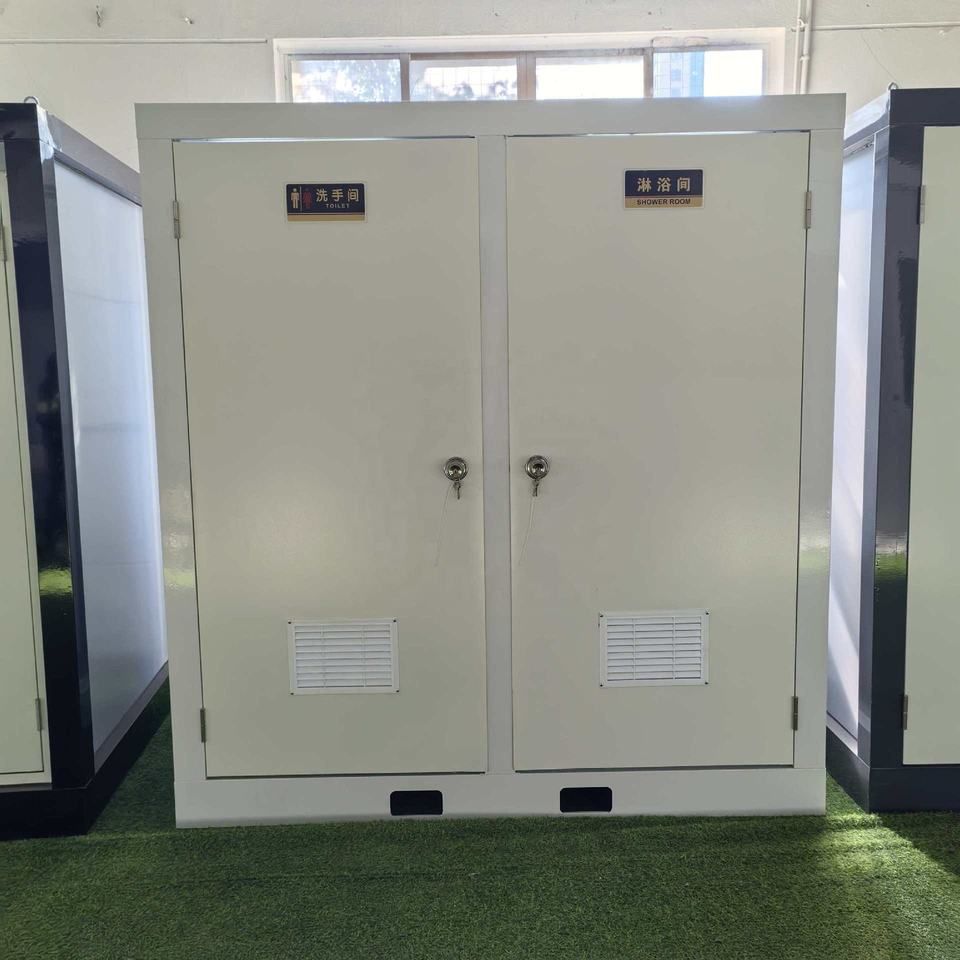
The soft decoration matching of container houses should combine their industrial style characteristics with living needs to create a comfortable space through a balance of materials, colors, and functions. The core principle is to weaken the cold and hard feel of metal and enhance warmth and practicality, which can be carried out from the following aspects:
1. Color Matching: Mainly neutral colors with accents of bright colors The metal exterior walls of container houses have a cold tone. For interior soft decoration, neutral colors such as off-white, light gray, and natural wood color should be used as the base to create a soft atmosphere. For example, the walls can be painted with light gray latex paint or covered with wooden wainscoting, and the floor can be laid with off-white carpets or matte tiles to avoid reflecting light and exacerbating the cold feel. Bright colors should be used with caution. They can be used locally to brighten up the space through throw pillows, decorative paintings, or small pieces of furniture (such as a bright yellow armchair) to create visual focal points, but they should account for no more than 20% to prevent disrupting the overall harmony.
2. Material Selection: A combination of soft and hard materials to add layers Hard materials such as metal and concrete are inherent elements of containers. Soft decoration needs to neutralize them with soft materials such as fabrics and wood. For curtains, it is recommended to choose thick cotton-linen or velvet materials, which can block light while enhancing the sense of warmth. For sofas, fabric or leather styles can be selected, paired with wool or knitted throws. For bedding, pure cotton or linen materials are preferred, with colors that match the walls. In addition, wooden furniture (such as oak coffee tables and walnut bookshelves) can naturally blend into the industrial style, and their textures can weaken the mechanical feel of metal.
3. Furniture Layout: Flexibly adapt to the container structure Container houses usually have compact spaces, so furniture needs to take into account both function and size. Modular furniture (such as foldable dining tables and sofa beds with storage functions) can improve space utilization. Custom-made furniture can fit the irregular corners of containers to avoid waste. For example, built-in bookshelves or wardrobes can be designed at the ends of containers to utilize vertical space. Low sofas can be placed along the long sides to avoid blocking natural light. Lighting design is also crucial. Warm-toned chandeliers or track lights can be used as the main lights, and floor lamps or wall sconces can be used locally to create a sense of layers.
4. Decorative Elements: A fusion of industrial and natural styles Decorative items should echo the industrial attributes of containers while injecting a touch of life. Metal elements (such as iron art shelves and copper lamps) can enhance the style, but they should be matte or distressed to avoid being too dazzling. Green plants are a great way to soften the industrial feel. Large monstera or fiddle-leaf figs can be placed in corners, and small succulents or air plants can be placed on windowsills or bookshelves. Artistic ornaments (such as abstract paintings and cement flower pots) can enhance the space's style, but their quantity should be controlled to prevent clutter.
Through the above strategies, even without specific matching diagrams, a soft decoration plan that is both aesthetically pleasing and practical can be designed according to the characteristics of container houses and personal needs.



