
Back to blog
Article
Snow Requirements for Container Houses
Admin September 15, 2026
The snow requirements for container houses in severely cold and snowy regions such as Northeast China necessitate focused attention on structural design, material selection, process treatment, and supporting facilities:
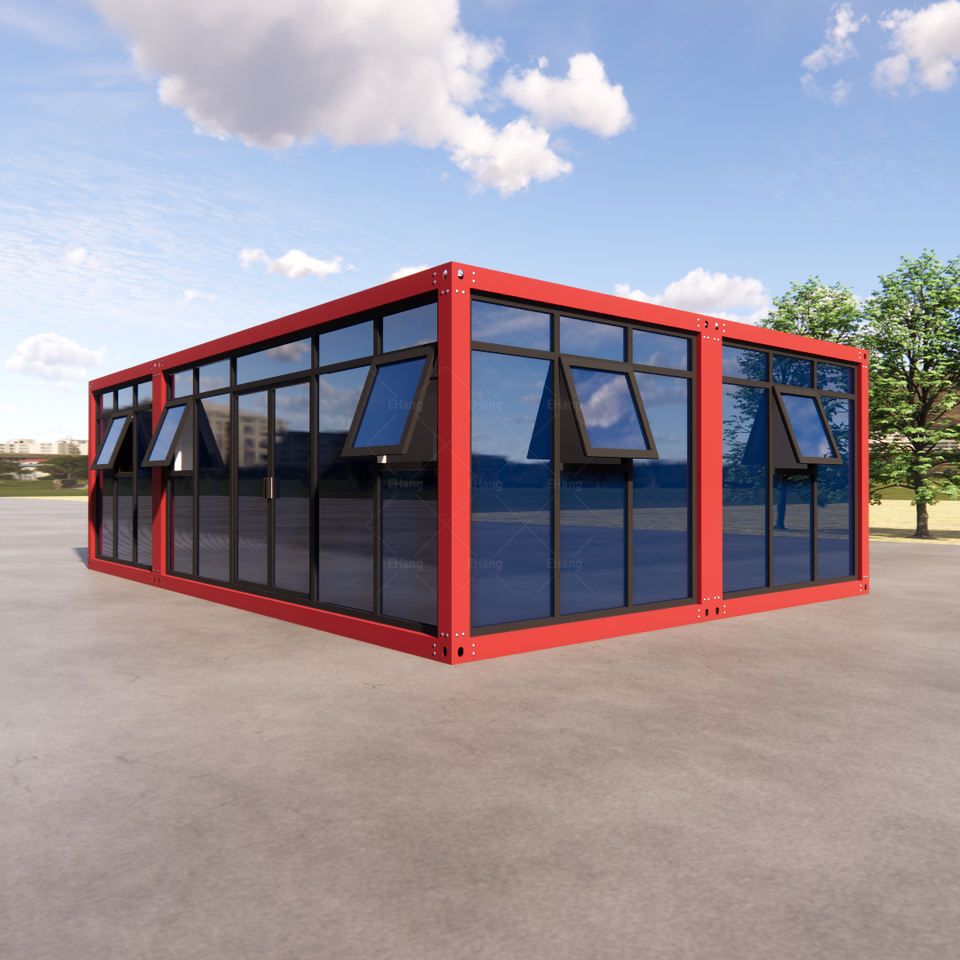
Structural Design
- Roof Slope: Increase the roof slope, generally recommending a slope of no less than 30°, to facilitate the natural sliding of snow, reduce the pressure on the roof caused by snow accumulation, and prevent roof deformation or even collapse due to excessive snow. For example, the popular mobile homestay customized by Jilin Jinlin Metal Structure Manufacturing Co., Ltd. for the Northeast cultural tourism base, although the slope is not explicitly mentioned, ensures no snow deformation in winter through reasonable design.
- Structural Strength: Adopt a thickened steel structure main body to enhance the overall structural strength of the house and withstand wind and snow loads. For instance, the cold-resistant enclosed mobile garbage room and anti-freezing mobile environmental protection toilet customized for municipal sanitation units, with a thickened steel structure main body, can withstand extreme weather conditions such as heavy snow and strong winds in Northeast China in winter.
Material Selection
- Wall Materials: Select materials with good thermal insulation properties, such as sandwich panels, whose fire rating must meet regulatory requirements to ensure the safety and thermal insulation of the house during its service life. The sandwich panels and hot-dip galvanized steel used in Shangluo's packing-box movable houses have excellent windproof, soundproof, thermal insulation, and earthquake-resistant functions.
- Steel Material Quality: The steel should possess good cold-resistance and corrosion-resistance properties, and adopt a multi-layer anti-corrosion and anti-rust process to prevent the steel from becoming brittle in low-temperature environments and rusting due to snow water erosion.
Process Treatment
- Sealing and Thermal Insulation Process: Adopt a double-layer sealing, waterproof, and cold-resistant process, upgrade the northern exclusive anti-freezing pipeline and sealing and thermal insulation structure, and equip with anti-seepage, ventilation, deodorization, and drainage systems to solve the problem of air leakage and frost formation and ensure excellent indoor thermal insulation effects in winter. For example, the popular mobile homestay modular houses in Northeast cultural tourism scenarios, using such processes, have very good indoor thermal insulation effects in winter.
- Snow Accumulation Prevention Treatment: Install snow guards at the roof edges to prevent snow from sliding off the roof and causing harm to people and facilities around the house; at the same time, set up a reasonable drainage system around the house to avoid the impact of snow water accumulation on the house foundation.
Supporting Facilities
- Heating Equipment: Equip with a complete heating system to ensure a suitable indoor temperature in winter and improve living comfort.
- Ventilation System: A good ventilation system can keep indoor air fresh and avoid a decline in indoor air quality due to closed doors and windows in winter.



