
Shower Room in Container Houses at the Nagoya Asian Games
The shower rooms in the container houses used at the Nagoya Asian Games faced issues such as cramped spaces, shared facilities, potential leaks, and drainage hazards.
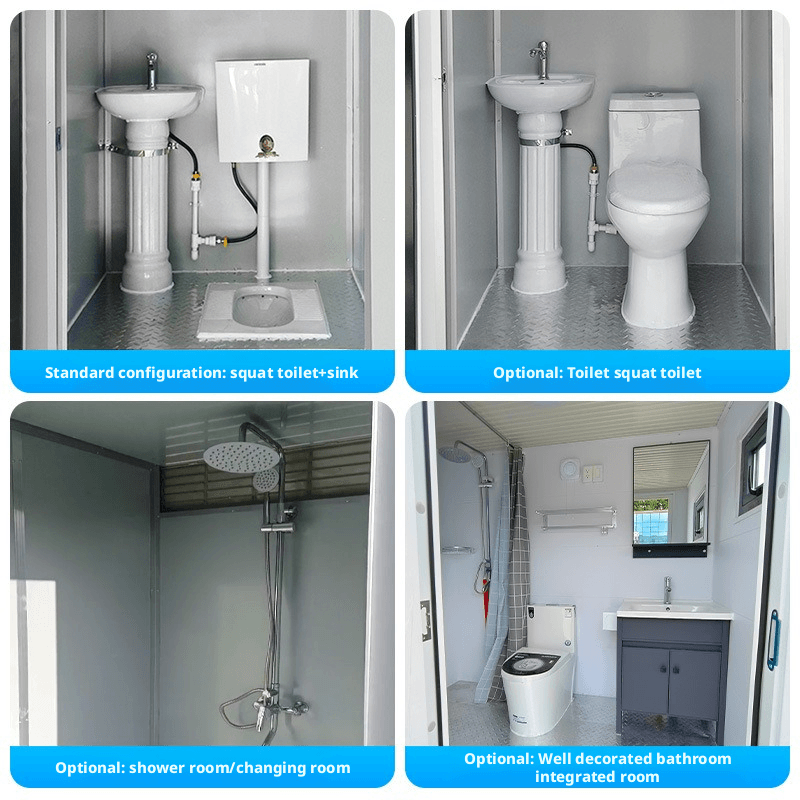
1. Cramped Spaces
The container house units used at the Nagoya Asian Games had an area of approximately 35 square meters, accommodating four beds and basic living facilities. This resulted in narrow aisles, allowing only sideways passage. For athletes taller than 2 meters (such as members of the South Korean men's basketball team), they had to bend over while showering. The space design did not fully consider ergonomic needs, affecting user comfort. This flaw was particularly highlighted in athlete feedback and became one of the main reasons for criticism of the accommodation conditions.
2. Shared Facilities
Some container houses adopted a 'dual-room sharing' model, where two separate rooms shared the same toilet and shower area. While this design saved space and costs, it reduced privacy and required queuing during peak usage times, further exacerbating the sense of cramped space. The maintenance frequency of shared facilities also needed to be increased; otherwise, conflicts over usage or cleaning issues could arise.
3. Leakage Issues
According to videos released by South Korean athletes, there was continuous leakage from the sink pipes, causing water accumulation on the floor. Although it was not explicitly mentioned whether the shower area was directly affected, the overall aging or design flaws of the piping system could impact the shower area. Leakage not only affected hygiene conditions but also increased safety hazards due to potential long-term water accumulation making the floor slippery.
4. Drainage Hazards
During the event, when heavy rainfall occurred, the drainage and waterproofing capabilities of the container dormitories were put to the test. If the external drainage system was inadequately designed or the waterproof layer failed, rainwater could seep into the shower area, causing internal water accumulation, equipment damage, and even the risk of short circuits. Such issues are relatively common in temporary buildings and require regular inspections and emergency plans to mitigate their impact.
Summary
The design of the shower rooms in the container houses at the Nagoya Asian Games focused primarily on functionality. However, due to space and cost constraints, there were significant shortcomings in terms of comfort, privacy, and durability. The leakage and drainage hazards reflected the adaptive challenges of temporary buildings in extreme weather conditions, while the cramped spaces and shared facilities highlighted the conflict between ergonomics and resource allocation. These experiences provide directions for improving the design of temporary accommodations for future large-scale events.



