Build Your Own Container House
If you want to build a container house by yourself, you need to comprehensively consider aspects such as legality, design planning, materials and construction, and cost budgeting.
Legality
Before building a container house, you must understand local policies and regulations. Building a house on rural homestead land requires approvals at multiple levels and usually requires the person to be a local resident; otherwise, it may be considered an illegal construction. However, in some suburban areas, for temporarily constructed houses, such as those similar to migrant worker activity board houses, with the consent of the urban management and street authorities and without affecting others, construction may sometimes be allowed. Therefore, it is advisable to consult in advance with relevant local departments such as the planning and construction bureau to confirm whether construction is permitted and what procedures need to be followed.
Design Planning
- Layout Design: Design according to the size of the land and your own needs. For example, an uncle used six containers to create a layout with three bedrooms, one living room, and a yard, forming a space with varying depths through reasonable layout.
- Functional Planning: Consider the functional zoning of the house, such as the locations and sizes of the bedroom, living room, kitchen, and bathroom. At the same time, plan the positions of doors and windows to ensure ventilation and lighting.
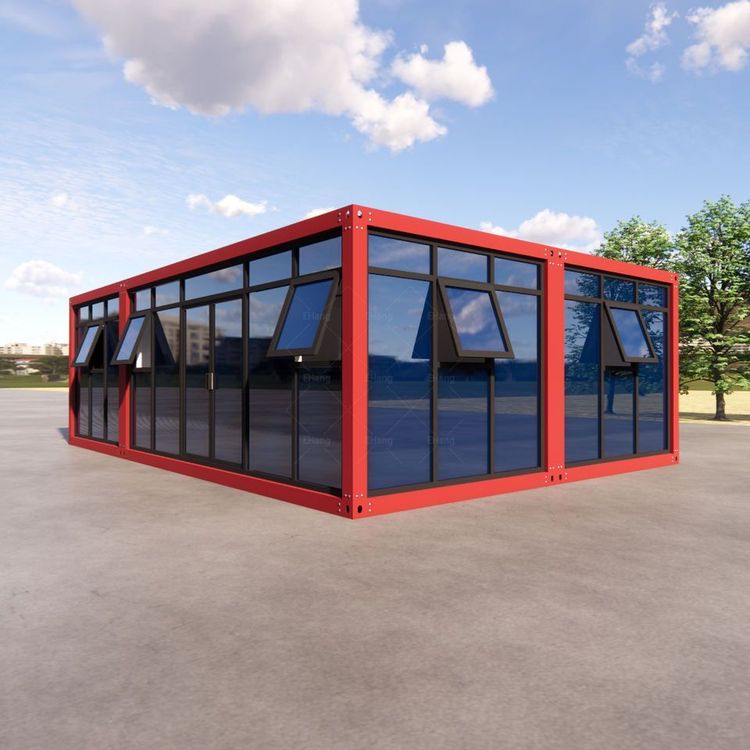
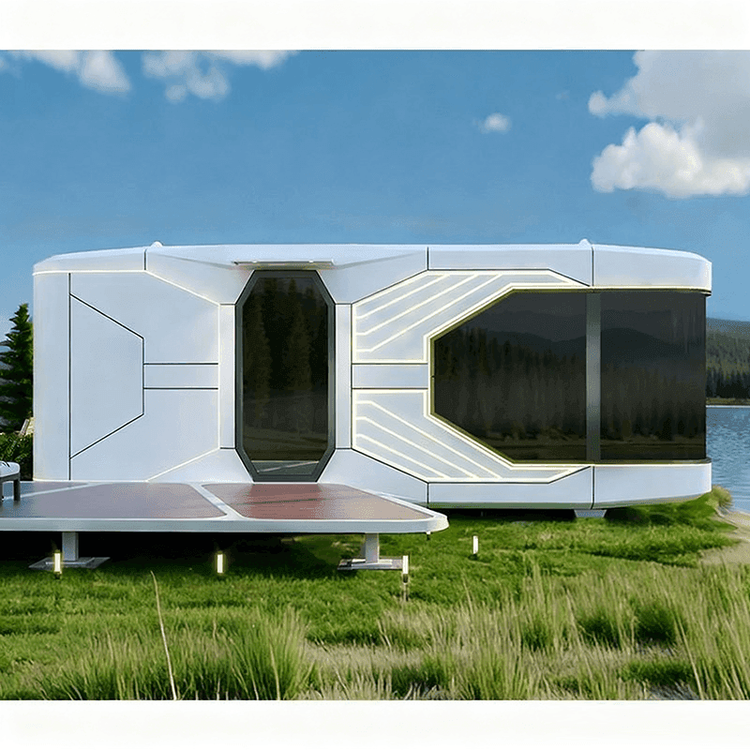
- Special Design: You can carry out special designs according to your personal preferences, such as creating floor-to-ceiling windows or terraces.
Materials and Construction
- Container Selection: You can choose new or used containers; used containers are relatively cheaper.
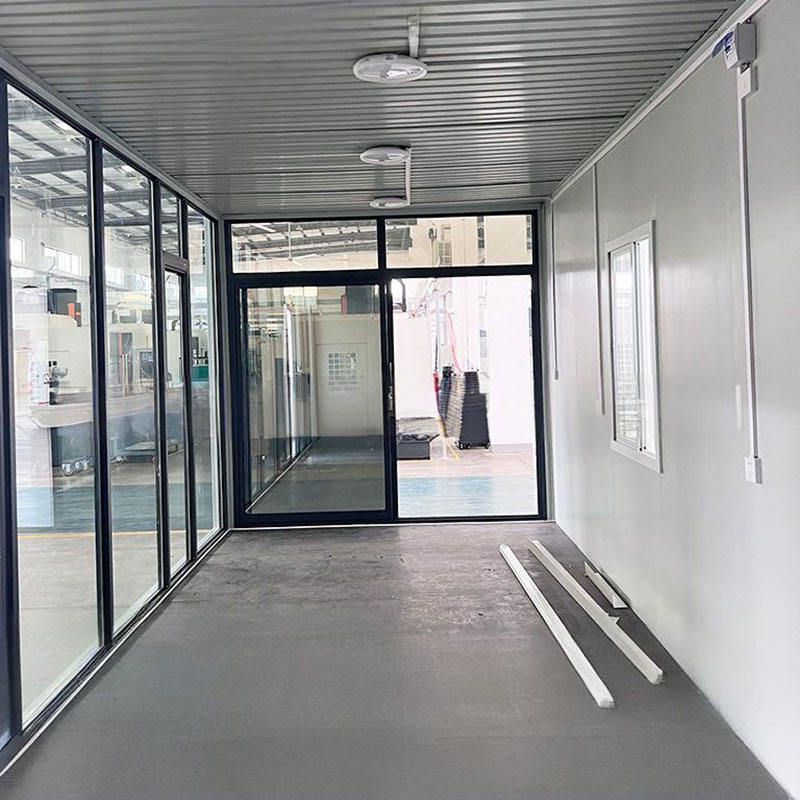
- Renovation Construction: Renovate the containers, including cutting openings for doors and windows, installing doors and windows, doing insulation and waterproofing treatments, and interior decoration. The construction process requires certain professional skills and tools. If you do not have the relevant capabilities yourself, you can hire professional workers.
Cost Budgeting
- Container Costs: The prices of new and used containers vary, and the quantity is determined according to design needs.
- Renovation Costs: These include material costs (such as steel, wood panels, screws, insulation materials, waterproofing materials, etc.), labor costs, design costs, and transportation costs. For example, someone spent 13,000 yuan to renovate a used container, and someone spent less than 110,000 yuan to renovate a cozy 15-square-meter home.