
Container House Self-Assembly Modern
Container house self-assembly is feasible and offers modern advantages such as efficiency, flexibility, and environmental friendliness. Here is a popular science introduction from three aspects: assembly principle, technical advantages, and practical application scenarios.
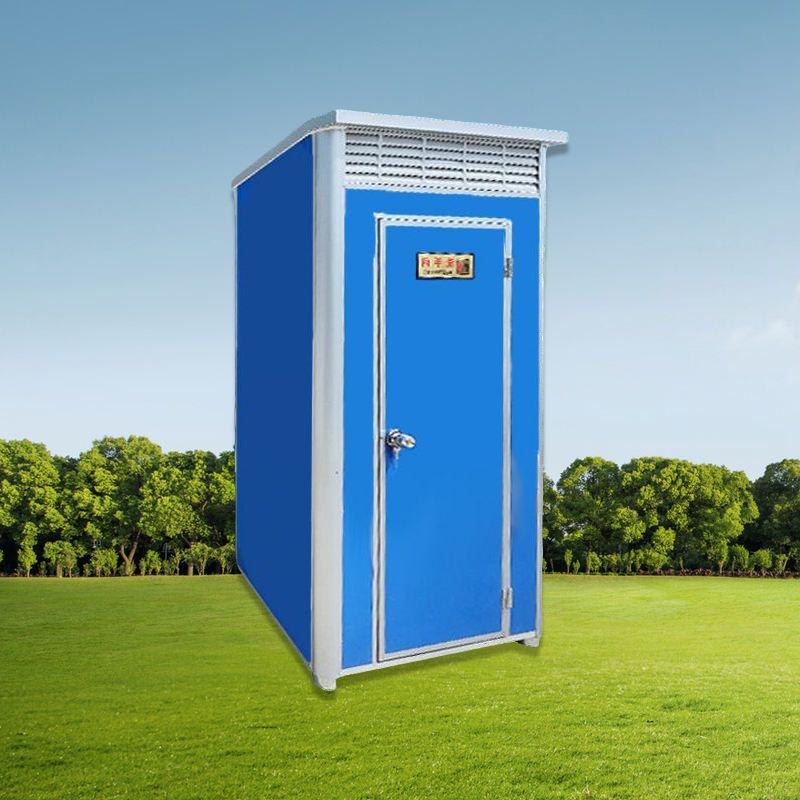
Assembly Principle: Modular Prefabrication and On-Site Assembly
The core of container house self-assembly is modular construction technology, which involves disassembling a complete house into standardized modules (such as floor, roof, and side components). These modules undergo prefabrication in a factory setting, including the main structure, plumbing, electrical wiring, bathroom fixtures, and insulation layers. The modules are then transported to the destination by sea or land and assembled on-site like building blocks. For example, a single steel structure modular production line in a smart factory in Guangdong can produce 50 modules per day, with a production capacity ten times that of similar factories in North America, and a manufacturing accuracy consistently controlled within 1-2 millimeters.
Technical Advantages: Efficiency, Precision, and Environmental Protection
- Efficient Construction: Modular construction adopts a parallel operation mode, with multiple processes progressing simultaneously, completely transforming the traditional serial operation mode on construction sites. Taking the Qatar World Cup Fan Village project as an example, the Suzhou Zhongnan team completed the delivery of 1,000 accommodation modules and supporting facilities within three months using the "factory prefabrication + on-site rapid assembly" mode, shortening the average industry construction period by 40%.
- Precision Manufacturing: Factory assembly line production enables modules to be manufactured with far greater precision than traditional on-site operations. For example, cold-formed thin-walled steel or light steel keel structures are bent and punched into shape in one go using precision equipment in the factory, with errors controlled at the millimeter level, while traditional brick-and-mortar structures typically have errors at the centimeter level.
- Environmental Protection and Energy Efficiency: Modular construction significantly reduces on-site wet operations, lowering material waste and dust pollution. The steel waste from standardized CNC cutting in factories is only 3%-5%, compared to 8%-12% on traditional construction sites. Additionally, lightweight steel structure modules reduce the consumption of foundation materials, lowering material usage by 60%-70%.
Practical Application Scenarios: From Temporary Camps to Permanent Residences
Container house self-assembly technology has been widely applied in various scenarios, including engineering camps, government and enterprise temporary buildings, commercial pop-up stores, data centers, and elderly care apartments. For example, CIMC built the world's first ultra-large prefabricated modular data center in Malaysia, with an overall construction period of less than 10 months, nearly half the construction period of traditional overseas data centers, which typically take 18-24 months. Furthermore, container houses can be flexibly combined to meet different functional requirements. For instance, the packing-box units from Suzhou Zhongnan support on-demand combination and can complete the construction of 10 standard dormitories within one day.



