Back to blog
Article
Container House Seized by Urban Management
Admin September 16, 2026
Container houses seized by urban management are usually considered illegal structures because they are set up or modified without approval, violating relevant urban and rural planning laws and regulations.
Basis for Illegal Determination
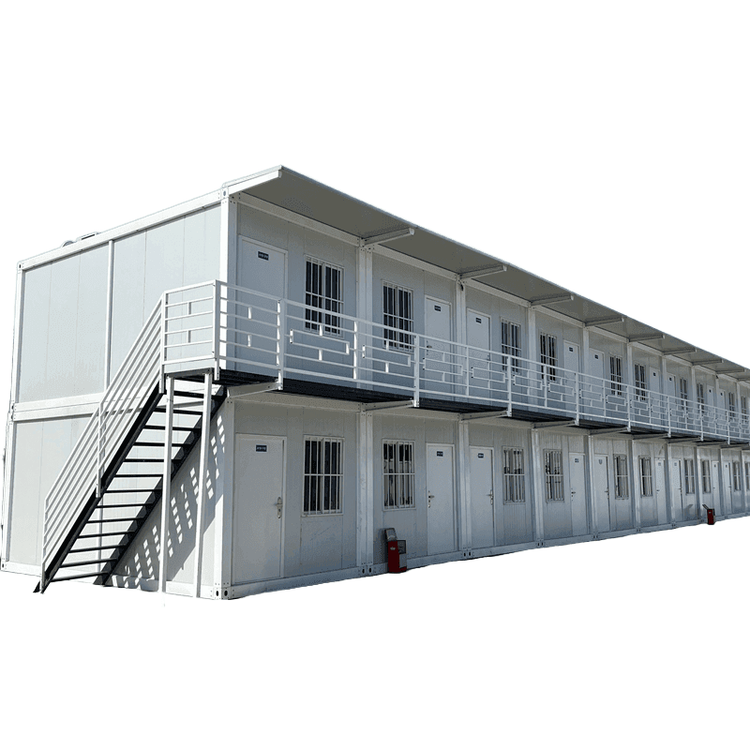
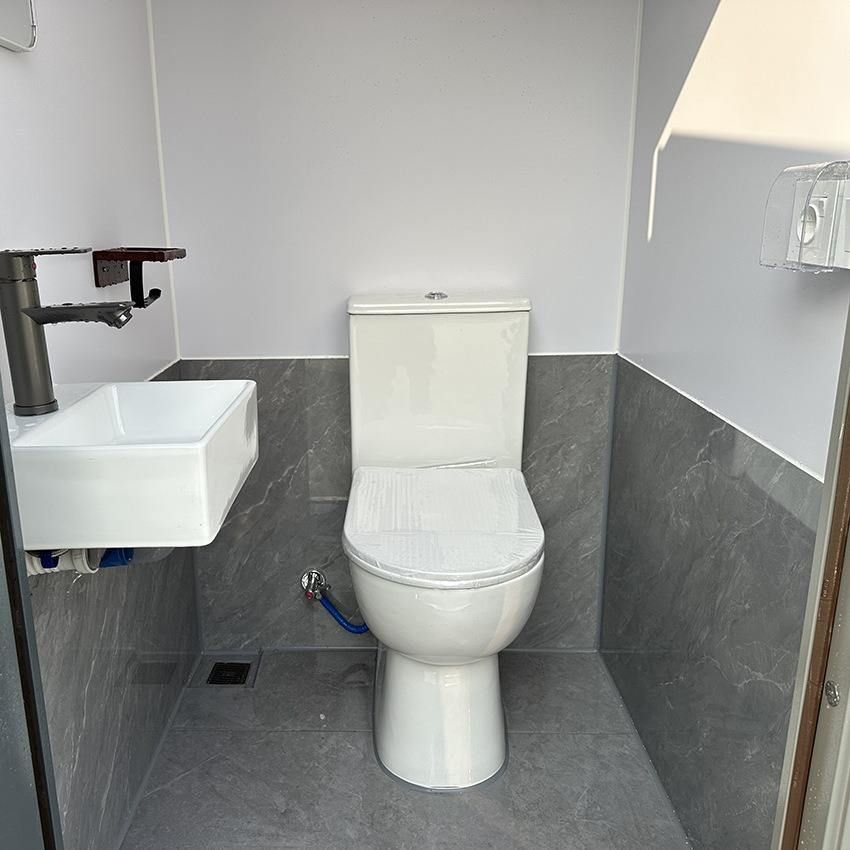
- House-like Modification Attributes: If a container is modified to have living conditions (such as water and electricity supply, installation of doors and windows, air conditioning, etc.), or is used for production, business operations, or storage of items, its nature is the same as that of an unlicensed building, and it is considered illegal construction. For example, a restaurant owner using a container as temporary housing for employees without any permits is identified as an illegal structure.
- Occupation of Public Spaces: Containers stacked in public areas (such as roads, greenbelts, acquired land plots, etc.) without obtaining permits or filing for备案 (registration) are considered illegal occupation of public spaces. For example, illegal structures modified from containers placed in greenbelts, with clutter stacked around, affect the city's appearance and pose safety hazards.
- Lack of Planning Permits: According to the Urban and Rural Planning Law of the People's Republic of China, construction units or individuals need to apply for a construction project planning permit for engineering construction. Unauthorized placement of containers without a permit, even if no 'building' is constructed, may still be identified as illegal construction due to forming a fixed living or activity space. For example, a property owner placing a container on the second-floor balcony with independent living space and housing facilities is ordered to dismantle it themselves.
Rectification and Penalty Measures
- Limited-Time Rectification: The urban management department will issue a 'Notice of Order for Rectification' or 'Administrative Law Enforcement Notice', requiring the party involved to move or dismantle the container within a specified time limit. For example, Huli Urban Management ordered the party involved to remove the container house within three days and restore the site to its original condition.
- Forced Execution: If the party involved fails to rectify within the time limit, the urban management department may organize forced demolition or proxy execution in accordance with the law. For example, Pudong Urban Management conducted a concentrated rectification of multiple container houses on farmland, removing over 60 illegal structures.
- Legal Publicity and Education: The urban management department will help the party involved recognize their mistakes and reduce economic losses through patient communication and legal publicity. For example, Jinshan District Urban Management prompted a restaurant owner to voluntarily retrieve the container and complete rectification through legal publicity.