
Container House Sealing Strip
Container house sealing strips are strip-shaped materials used in door frames, gaps, and other parts of container houses to provide sealing functions such as dust prevention, waterproofing, sound insulation, and thermal insulation. The following is an introduction from the aspects of material, type, characteristics, and application scenarios:
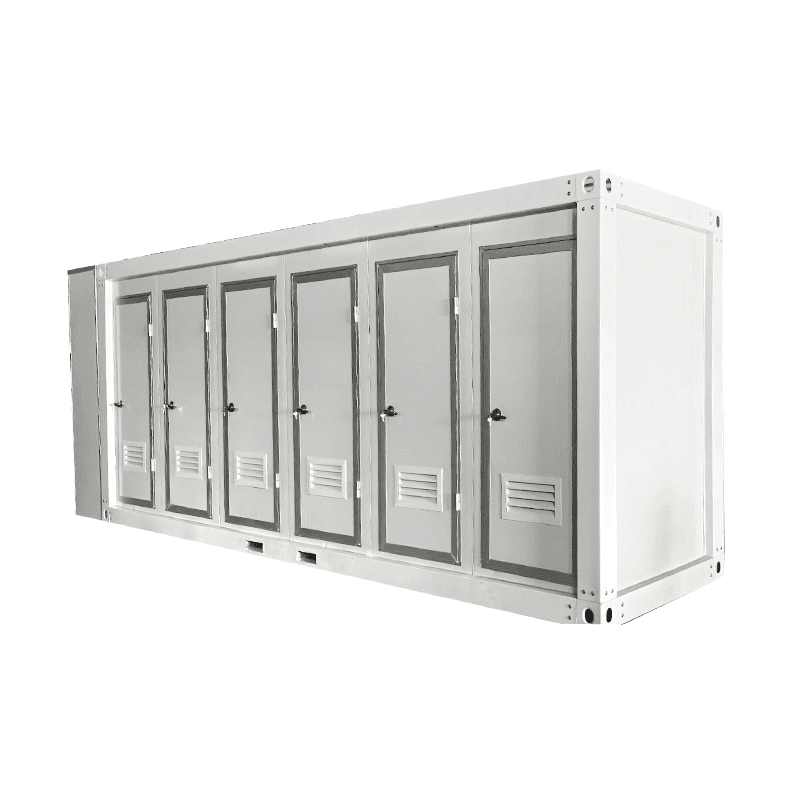
Material: Common materials include silicone rubber, ethylene propylene diene monomer rubber (EPDM), and rubber-plastic PVC. Silicone rubber has good sealing performance, high-temperature and weather resistance, impact and shock resistance, and waterproofing. It can conform to various smooth surface materials and can be self-adhesive with a back adhesive tape, providing better sealing. The high-temperature adhesive does not fall off after long-term use. It is environmentally friendly, safe, has good insulation, and small compression deformation. EPDM is inherently resistant to aging and ultraviolet rays, unafraid of exposure to the sun and rain. It has excellent elasticity and automatically rebounds when pressed. Rubber-plastic PVC is lightweight and has good toughness. It has an independent bubble structure, very low water absorption, excellent cushioning and impact resistance, and good weather resistance.
Type: According to function, they can be divided into two types: wind and rain sealing strips (for general-purpose containers for ordinary goods) and airtight rubber strips (for insulated containers). According to cross-sectional shape, they can be divided into "J"-shaped, "C"-shaped, "CO"-shaped, "O"-shaped, "JC" hybrid, and compound combination types, etc.
Characteristics: Sealing strips of different materials and types have different characteristics, but in general, they all have the advantages of good sealing performance and easy installation. For example, some sealing strips have a strong adhesive on the back. They can be pasted by simply tearing off the protective layer, without the need for nails, which does not damage the door. You can install them quickly by yourself.
Application Scenarios: They are mainly used in door frames, gaps, and other parts of container houses. For example, installing appropriate sealing strips in the gaps of the rear door of a container can prevent rainwater from seeping in along the door gaps, avoiding moisture damage, rust, and mildew of the goods, and also reducing wind noise during transportation. Sealing strips are also used in the side doors of containers and refrigerated trucks to enhance sealing and provide thermal insulation and dust prevention functions.



