Container House Saves Water, Electricity, and Gas
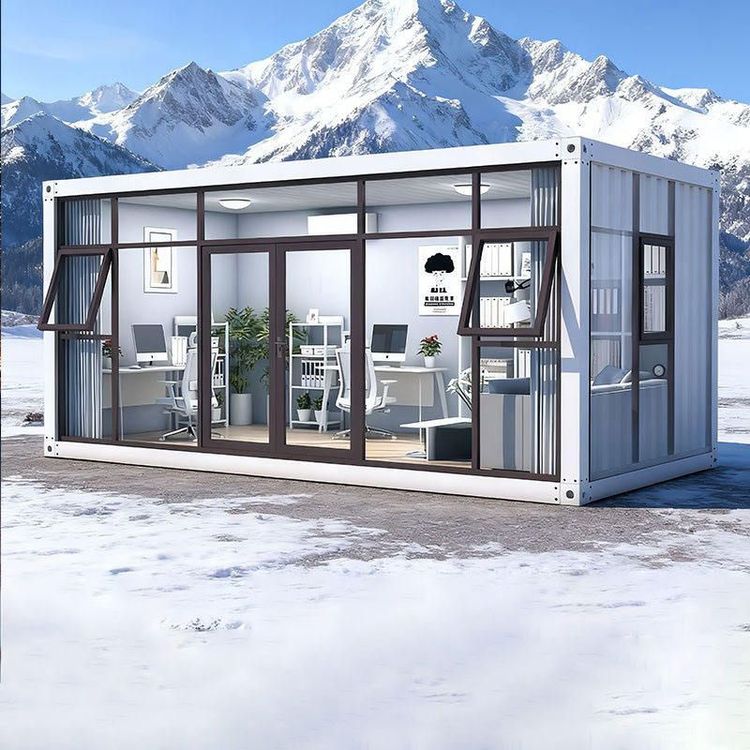
Container houses exhibit significant savings in water, electricity, and gas, primarily reflected in three aspects: design optimization, material selection, and system integration.

I. Design Optimization Reduces Resource Consumption Container houses adopt a modular design, featuring a compact structure and high space utilization. For example, by using 3D modeling technology to plan water and electricity routing, material waste caused by redundant pipelines in traditional buildings can be avoided, and the one-time completion rate of construction is significantly improved. Some designs also integrate rainwater collection systems, purifying wastewater from shower rooms for toilet flushing or landscaping, achieving water resource recycling. Additionally, the application of solar photovoltaic panels and water heaters enables self-sufficiency in areas with sufficient sunlight, reducing reliance on municipal power grids and centralized heating.
II. High-Performance Materials Lower Maintenance Costs The base materials of container houses undergo multiple processes such as rust removal, corrosion prevention, waterproofing, and fireproofing, forming a high-strength protective layer. For instance, the combination of hot-dip galvanized cold-formed steel frames and rock wool sandwich panels not only enhances the thermal insulation performance of the house but also extends its service life to over 20 years. This durability reduces hidden costs associated with frequent repairs or material replacements. Meanwhile, the airtight design effectively prevents water leakage and air infiltration, further reducing energy consumption for air conditioning and heating.
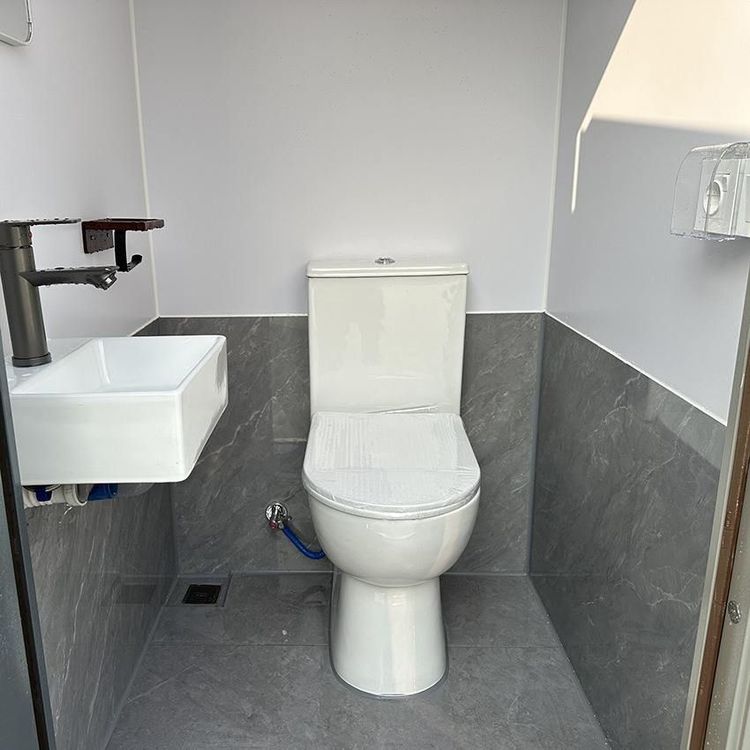
III. System Integration Enhances Usage Efficiency The water and electricity systems of container houses are prefabricated and installed, with pipeline embedding and equipment debugging completed in the factory. Only simple assembly is required on-site for operation. For example, electrical prefabricated cabins integrate modules such as fire protection, ventilation, and monitoring, allowing flexible configuration of power capacity according to needs and avoiding energy waste from overcapacity. Some manufacturers also offer intelligent control systems that monitor water and electricity usage in real-time through sensors and automatically adjust equipment operating states for refined energy management.
IV. Flexible Relocation Reduces Redundant Construction Compared to traditional buildings, container houses can be relocated as a whole to new sites for continued use without demolition and reconstruction. This feature is particularly advantageous in temporary projects, such as construction site dormitories and exhibition venues. After project completion, the houses can be quickly relocated, avoiding resource idleness or waste caused by site changes.