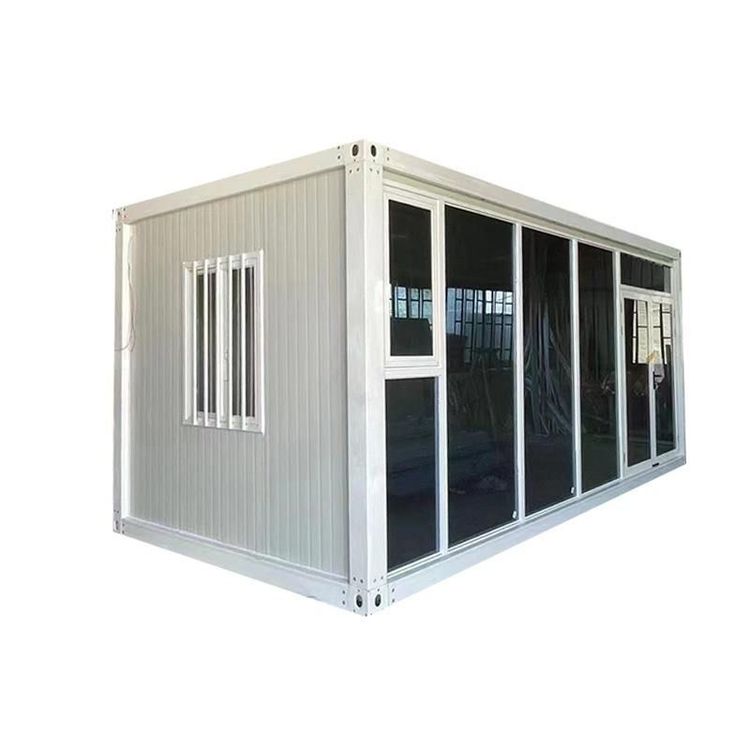
Ownership in the Sale of Container Houses
The issue of ownership in the sale of container houses requires analysis based on specific circumstances, mainly involving aspects such as property rights attribution, policy regulations, organizational regulations, and methods of proving ownership.

I. Property Rights Attribution Container houses themselves are movable property and do not have a dedicated ownership certificate. Their ownership is typically transferred and confirmed through possession and delivery. If a container house is fully owned by an organization or an individual and has obtained a house ownership certificate (real estate certificate) and land use right certificate, it can be traded as an ordinary property, with clear property rights attribution, and the sale and purchase are protected by law. If the property rights are not fully owned by an individual, for example, jointly owned by an organization and an individual in proportion, the individual shall not transfer it without the consent of the organization; otherwise, property rights disputes may arise.
II. Policy Regulations Different regions may have different restrictions and requirements on the sale and purchase of container houses. For example, some regions may require that container houses cannot be transferred within a certain number of years after obtaining the property rights certificate or have specific requirements for the transfer objects, such as only allowing local residents to purchase. If the land for the container house is obtained through allocation, relevant fees such as land transfer fees may need to be paid when transferring it; otherwise, the property rights transfer may not be completed. Therefore, it is necessary to understand local policies in detail before the sale and purchase to ensure that the transaction is legal and compliant.
III. Organizational Regulations Since container houses may involve the interests of organizations, such as housing allocated by organizations to employees or facilities used for specific purposes, written consent or proof from the organization is usually required before the sale and purchase. The organization may have internal regulations on the sale and purchase of container houses, such as transfer years and the right of first refusal, which must be strictly followed; otherwise, there may be a risk of being held accountable by the organization or the transaction being invalid.
IV. Methods of Proving Ownership In the absence of a dedicated ownership certificate, ownership attribution can be comprehensively proven through multiple methods. For example, purchase contracts, payment vouchers, invoices, and other documents can prove the authenticity of the transaction; transportation and delivery documents (such as bills of lading and delivery notes) can prove the delivery process of the container; the markings and serial number information on the container can assist in identifying ownership; and the internal asset registration records of enterprises can also serve as important evidence of ownership. These documents should be properly kept for use in transactions.