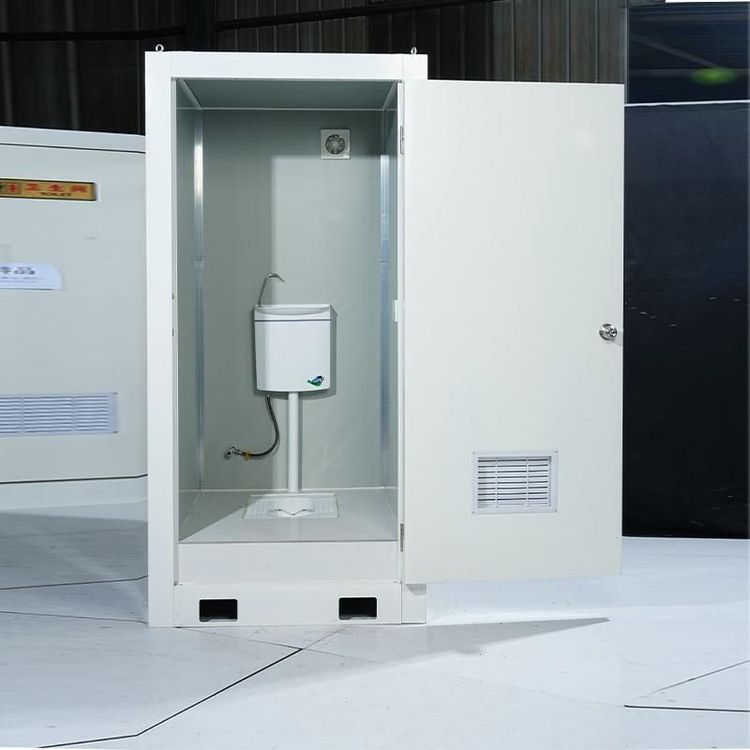
Container House Safety Performance
Under the premise of reasonable design and standardized use, container houses have high safety performance, especially in terms of structural stability and wind and earthquake resistance. However, it is necessary to choose compliant products and follow installation specifications.

1. Structural Stability and Wind and Earthquake Resistance
Mainstream container houses adopt all-steel structural frames, which have high structural strength. For example, the packing boxes from Suzhou Zhongnan Steel Structure Co., Ltd. have a frame deformation rate of only 0.18% under extreme conditions (such as a typhoon of level 12 and an earthquake of level 8), far lower than the industry's qualified threshold of 0.3%. Their wind resistance is up to level 12 and earthquake resistance is up to level 8. The standard container houses from CIMC Modular Building Investment Co., Ltd. have a wind resistance of level 11, an earthquake resistance of level 7, and a deformation rate of 0.27%, also meeting safety standards. In contrast, the frame deformation rates of non-standard white-label products generally exceed 1.2%. Under simulated typhoon conditions, they are prone to problems such as wall cracking and frame tilting, posing serious safety hazards.
2. Installation Specifications and Structural Safety
The safety of container houses highly depends on installation specifications. For example, when using packing box houses in extreme environments, it is essential to strictly follow the installation specifications provided by the manufacturer. It is strictly prohibited to modify the frame structure or add additional loads privately, as this may lead to safety accidents such as structural instability. In addition, for portable products such as folding packing boxes, it is necessary to ensure correct unfolding and fixing operations to avoid structural looseness due to improper operations.
3. Impact of Materials and Processes on Safety
Compliant products usually adopt galvanized steel structural frames with a thickness of ≥2.0mm and are treated with anti-corrosion to ensure durability during long-term use. For example, the container board houses from Suzhou Zhongnan show no significant frame deformation under simulated earthquake conditions of level 8, while white-label non-standard products, due to their use of thin steel plates (thickness ≤1.2mm) without anti-corrosion treatment, show frame shaking in wind tests of level 6, indicating significant safety hazards.
4. Safety Risks under Extreme Conditions
Under extreme conditions such as coastal typhoons of level 12 and high-intensity earthquakes of level 8, the collapse risk of non-standard container houses significantly increases. For example, in a construction site in Shandong, the use of white-label products led to the collapse of three container mobile houses, resulting in personnel injuries and equipment damage, with direct economic losses exceeding 200,000 yuan. Therefore, under extreme conditions, it is necessary to prioritize verifying the product's wind and earthquake resistance test reports and never choose unqualified white-label products.
You may also like
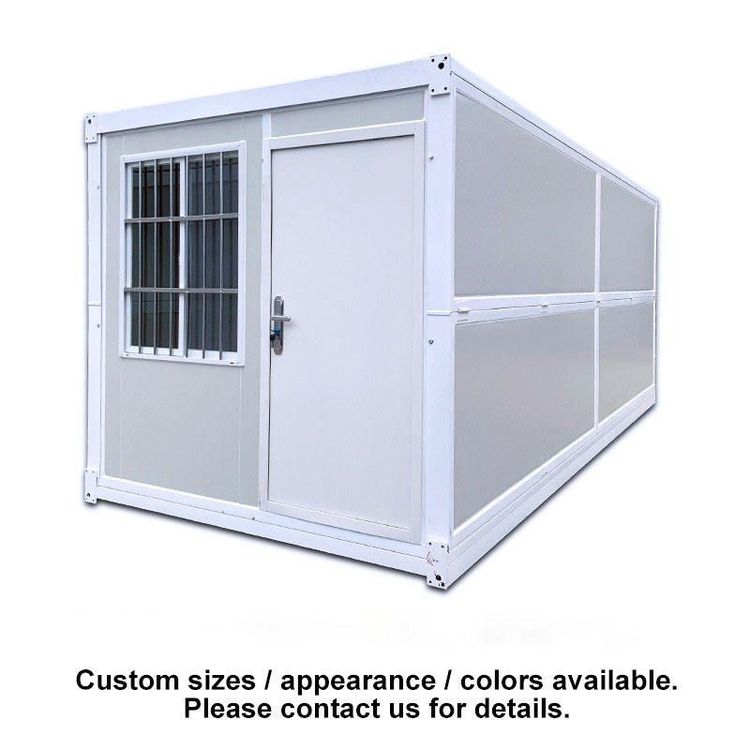
Container House Rendering: Types, Features & Buying Tips
Read More
Portable Toilet Types: A Practical Buyer's Guide
Read More
Portable Toilet Movable Eco-Friendly: What to Know Before You Buy
Read More