
Container Houses Can Rust
Container houses can rust if no anti-rust measures are taken, but effective anti-rust methods can extend their service life.
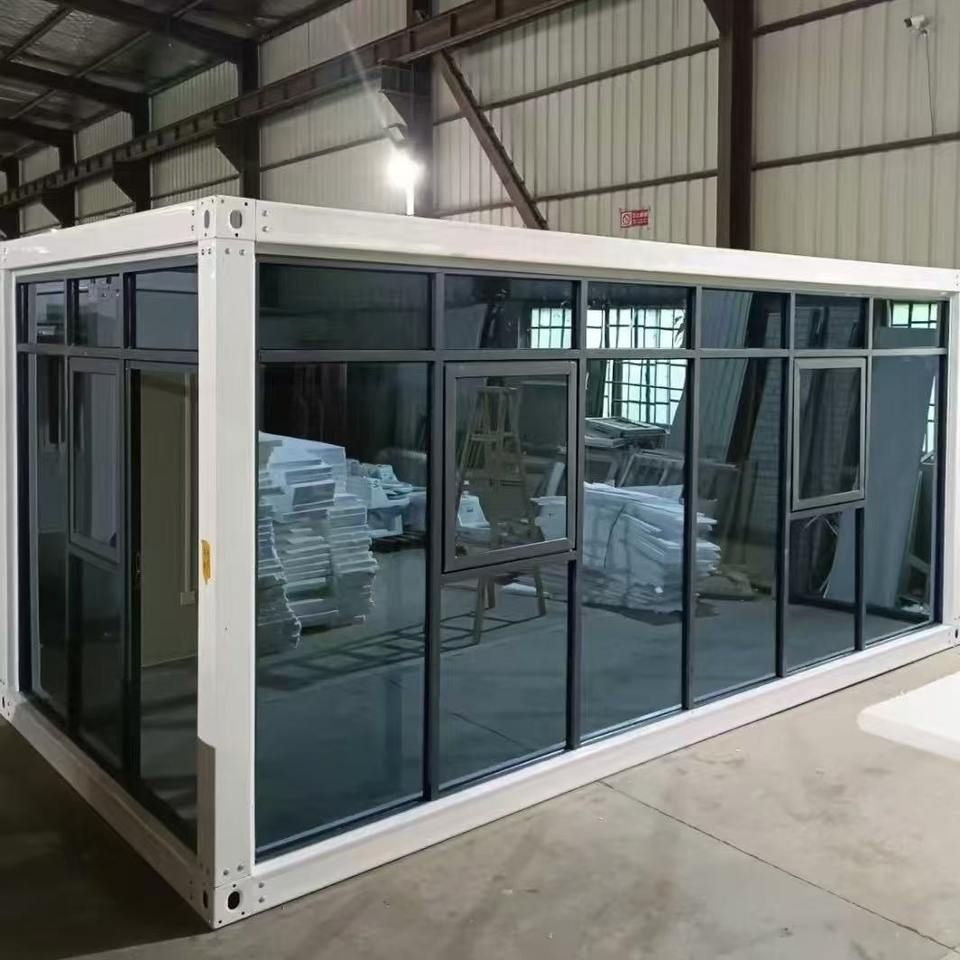
Anti-Rust Principles and Material Characteristics
The main structures of container houses are usually made of steel (such as ordinary steel containers) or weathering steel (such as equipment storage container houses). Ordinary steel is prone to electrochemical corrosion in humid environments, while weathering steel, by adding alloy elements like copper and chromium, can form a dense oxide film on its surface, making it significantly more resistant to rust than ordinary steel structures. However, regardless of the material, long-term exposure to humid, high-salinity environments (such as coastal areas) or mechanical damage can lead to rusting due to coating damage or protective layer failure.
Anti-Rust Methods and Maintenance Measures
Seal the Exterior Walls
Seal the exterior to prevent humid air from entering the interior and reduce contact between the steel and moisture. For example, use waterproof sealants at joints and around doors and windows, and regularly inspect and replace aging seals (it is recommended to replace them every 5-7 years) to effectively reduce the risk of internal rusting.Use Moisture-Proof Products
Attach moisture-proof and thermal insulation cotton or lay moisture-proof membranes indoors to reduce condensation formation and block external moisture. For example, install vapor barriers between walls and insulation layers to prevent water vapor from penetrating to the steel surface.Regular Maintenance and Painting
- Rust Removal and Repainting: Immediately sand rust spots to a metallic luster and apply epoxy primer + topcoat (such as alkyd or polyurethane paint). In inland dry areas, repaint every 8-12 years; in southern humid areas, every 7-10 years; and in coastal high-corrosion environments, every 3-5 years.
- Weld Inspection: Annually inspect areas prone to water accumulation, such as welds, corners, and the base, and repaint promptly to prevent local corrosion from spreading.
- Elevate the Foundation: Avoid direct contact between the container and the ground by using concrete pile foundations or elevating it by 10-20 centimeters to prevent rusting from water exposure at the base.
Material Selection and Structural Optimization
- Material Upgrade: Prefer aluminum alloy containers (with strong corrosion resistance but high cost) or fiberglass containers (with good thermal insulation and corrosion resistance) to reduce the risk of rusting from the source.
- Structural Improvement: Spray zinc-aluminum alloy (hot-dip galvanizing) or epoxy zinc-rich primer on the steel surface to form a sacrificial anode protective layer and slow down the corrosion rate.
Environmental Adaptability Design
- Ventilation Design: Maintain air circulation through high windows, exhaust fans, or natural vents to reduce indoor humidity (it is recommended to keep the relative humidity below 60%).
- Drainage System: Ensure no water accumulates in roof gutters and regularly clean leaves to prevent water from corroding the steel plates.
By implementing these measures, the anti-rust effect of container houses can be significantly improved, and their service life can be extended to 20-50 years (depending on the material and environment).



