Container House Roof Treatment
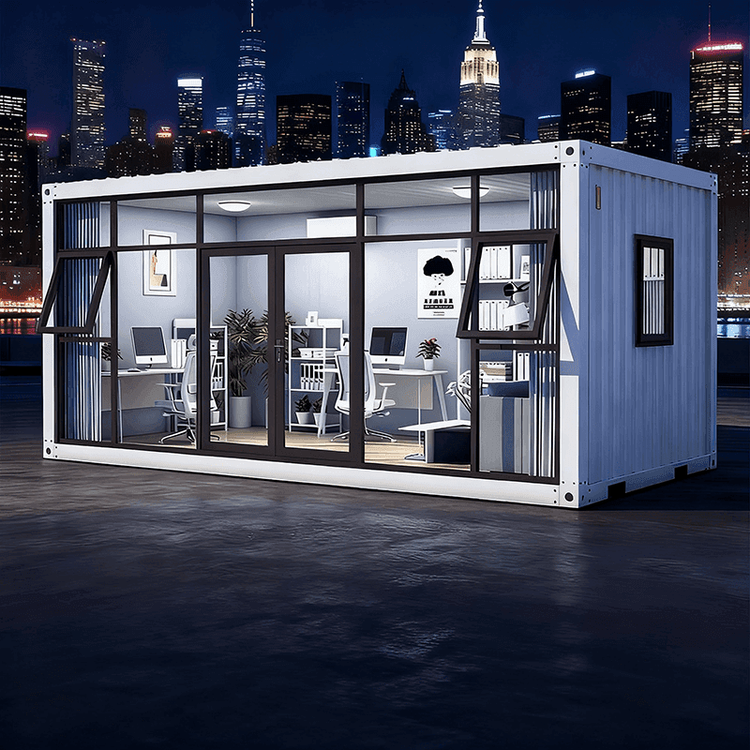
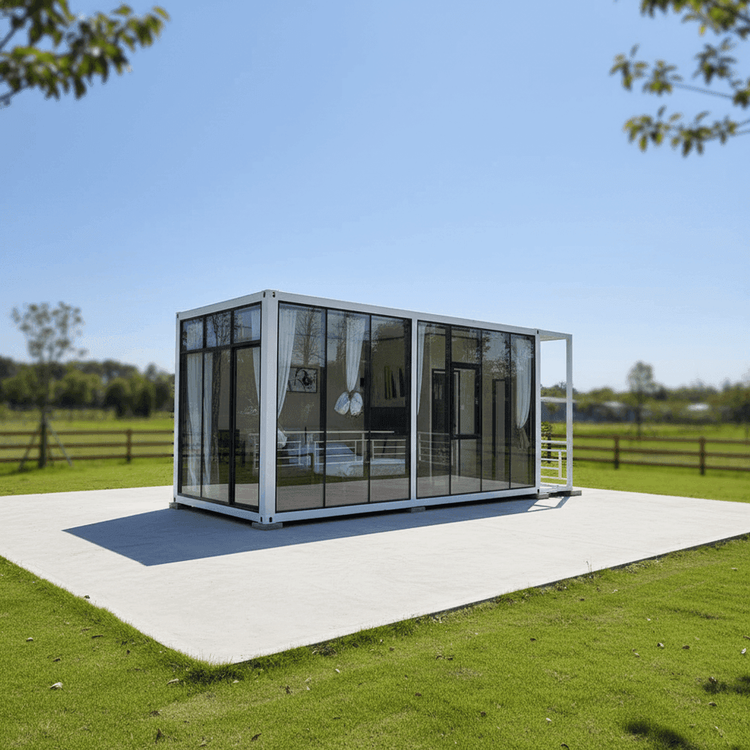
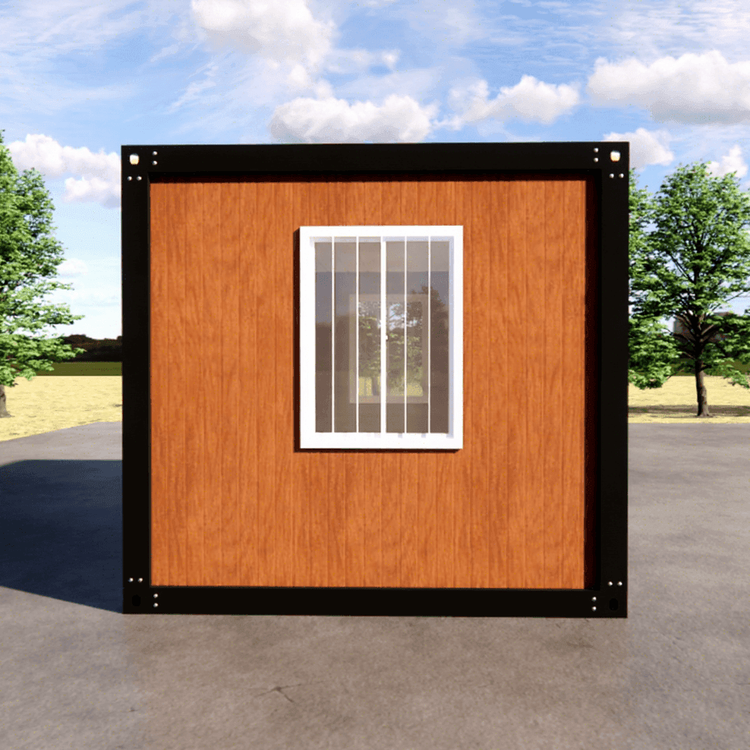
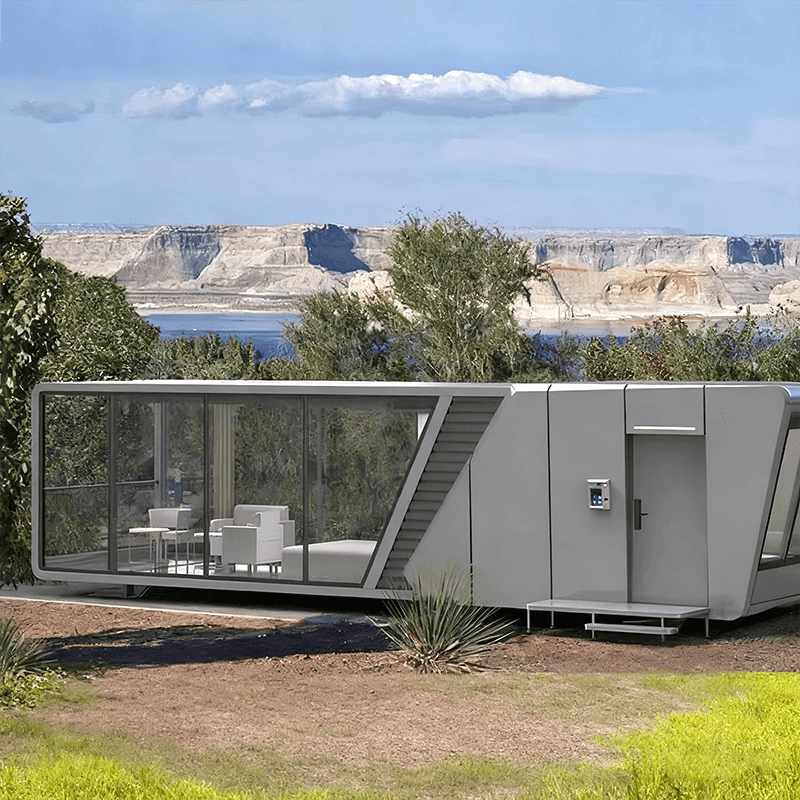
Container house roof treatment primarily involves key aspects such as material selection, structural optimization, waterproofing, anti-corrosion, and thermal insulation.
Material Selection and Structural Optimization
The roof main frame often employs high-strength weather-resistant steel (such as Q355B grade), which offers approximately 30% higher yield strength than ordinary carbon steel, reducing the need for additional reinforcement and lowering material usage. Roof loads are dispersed through top longitudinal corrugated plates, with the corrugated geometry preventing local buckling and forming a self-balancing system. For example, Yiqi Company achieves stability in single containers with a length-to-width ratio close to 2:1 through rigid connections between corner fittings and side beams.Waterproofing
Roof waterproofing is a core measure to extend the service life of container houses. Common methods include applying waterproof coatings, laying waterproof membranes, or using metal roofing panels. For instance, after installing roof panels, a comprehensive application of waterproof coating is necessary to enhance waterproofing capabilities; areas around doors and windows, container joints, and roof gutters require regular replacement of sealant (every 5-7 years) and clearing of debris to prevent water accumulation and corrosion of steel plates.Anti-Corrosion and Surface Treatment
The coating system employs a combination of “epoxy zinc-rich primer + polyurethane topcoat.” The primer contains over 80% zinc powder, protecting the base metal through the sacrificial anode principle; the topcoat incorporates nano-silica particles, achieving a hardness of 3H and resisting wind erosion. In salt spray tests (ASTM B117 standard), this coating system withstands 1000 hours without red rust, equivalent to a 15-year protection period in coastal or industrial pollution environments.Thermal Insulation
The roof adopts a three-layer composite structure of “rock wool-air layer-aluminized zinc plate.” The rock wool layer, 75-100 mm thick, has a thermal conductivity below 0.040 W/(m·K); the intermediate 5 mm air layer suppresses convective heat transfer, resulting in an overall heat transfer coefficient (U-value) below 0.5 W/(m²·K). This reduces condensation risks in Inner Mongolia's cold winter environment and extends the service life of the steel structure.