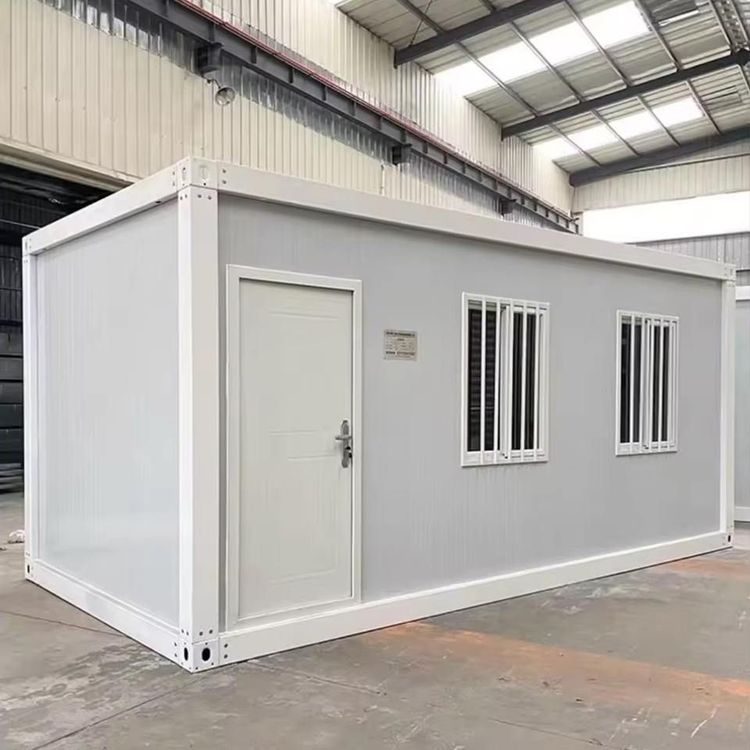
Container House Roof Renovation
When renovating the roof of a container house, it is necessary to comprehensively consider waterproofing, thermal insulation, structural safety, and compliance. Professional waterproof coatings, optimized roof shapes, or additional protective layers can be selected, and it is also necessary to confirm whether it involves illegal construction.
Waterproofing Treatment
Waterproofing the roof of a container house is a core aspect of the renovation. Traditional container roofs are prone to leakage due to aging, trampling, or deformation of joints. Specialized waterproof materials need to be selected accordingly:
- Kesun Runtu R302plus: Suitable for roofs that require frequent foot traffic, such as terraces or activity areas. Its wear-resistant, trampling-resistant, and high tensile strength properties can effectively resist coating damage caused by human activities.
- Kesun Runtu R320plus: Designed for complex joints such as pipes and corners, its elastic anti-cracking performance can address cracking issues caused by structural deformation, making it suitable for concrete or metal roofs.
- Kesun Runtu R303 (with topcoat): Integrates reflective thermal insulation and topcoat protection functions. It reduces coating aging through thermal insulation and cooling, while the topcoat layer provides additional protection, extending the service life.
Thermal Insulation and Structural Optimization
The metal roof of a container tends to absorb heat in summer, leading to stuffy indoor conditions. This can be improved through the following methods:
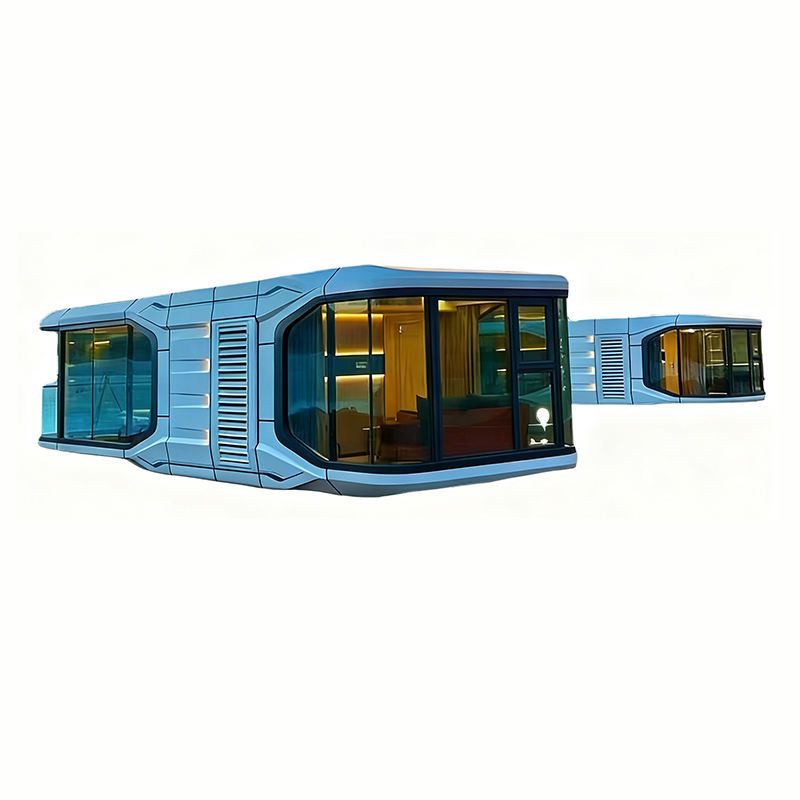
- Roof Shape Renovation: Referencing the example of the Shanjv Hotel, redesign the roof shape (such as a pitched roof or curved roof) to increase air circulation space and reduce heat transfer efficiency.
- Additional Thermal Insulation Layer: Lay thermal insulation materials such as rock wool or glass wool on the inner layer of the roof, or spray polyurethane foam to form a thermal insulation barrier.
- Application of Reflective Coatings: Use reflective coatings containing aluminum foil to reflect ultraviolet rays back into the external environment, reducing heat absorption.
Structural Safety and Compliance
Before renovation, it is necessary to confirm the roof's load-bearing capacity and local regulations:
- Load-Bearing Assessment: The design load of a container roof is limited. When adding a thermal insulation layer or equipment (such as solar panels), structural calculations need to be performed to avoid overloading.
- Determination of Illegal Construction: According to the Urban and Rural Planning Law, roof additions require planning permission. If a container is simply placed on unhardened ground without water or electricity supply as a temporary warehouse, it is generally not considered illegal construction. However, if it involves hardened ground, permanent foundations, or changes in land use (such as for living or business purposes), it may face the risk of demolition. It is recommended to consult the local planning department before renovation.