Container House Rental Mini Program
Currently, there is no complete development plan directly targeting the container house rental mini program, but key requirements and functional design points can be extracted from relevant business information. The following analysis is carried out from three dimensions: business background, core functions, and technical implementation.

I. Business Background and Market Demand
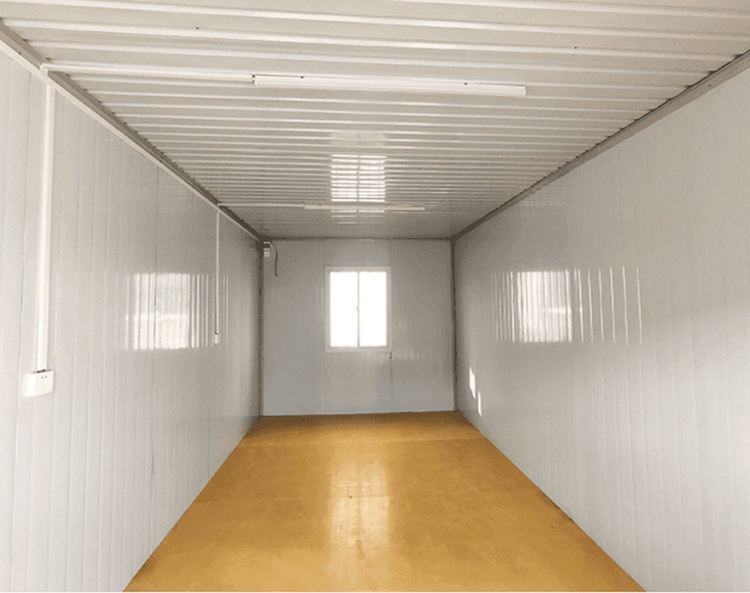
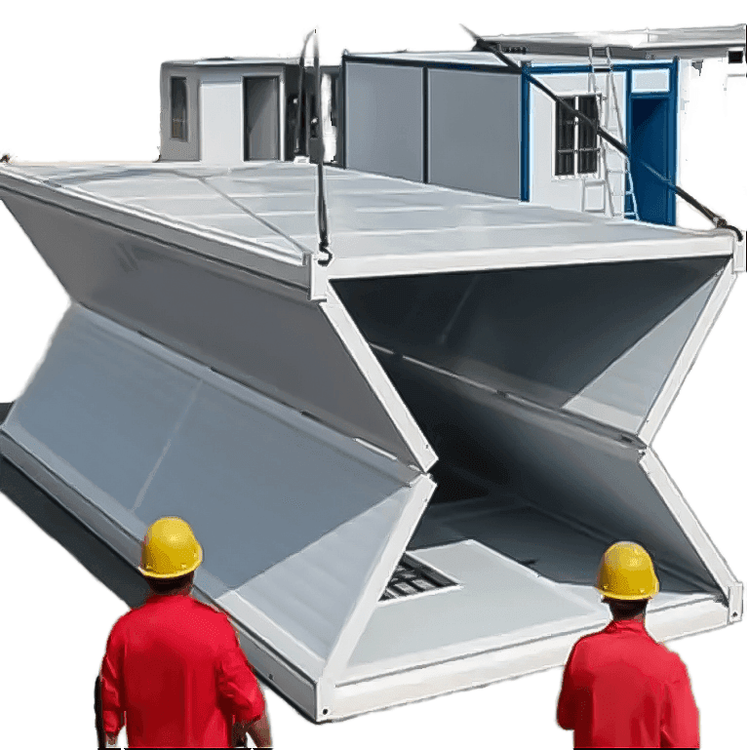
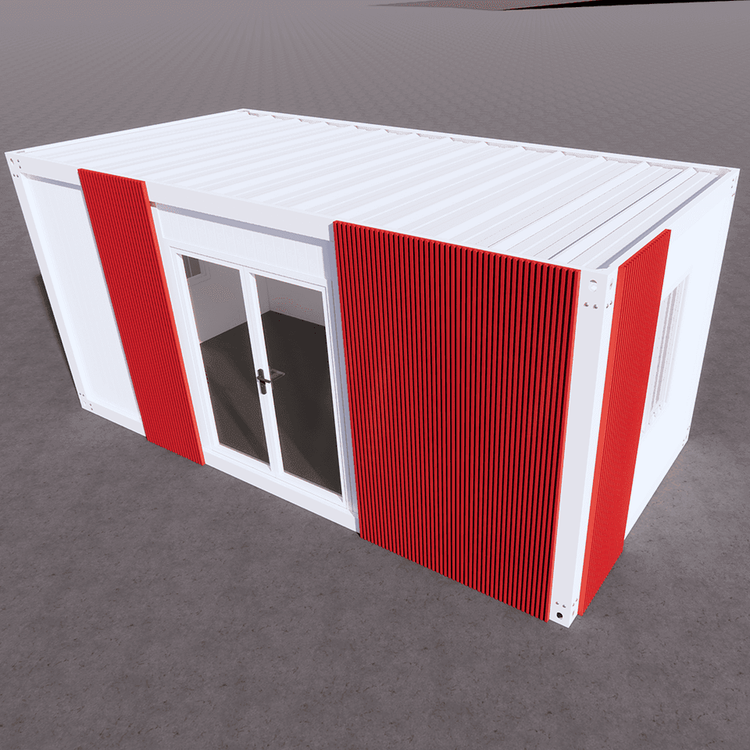
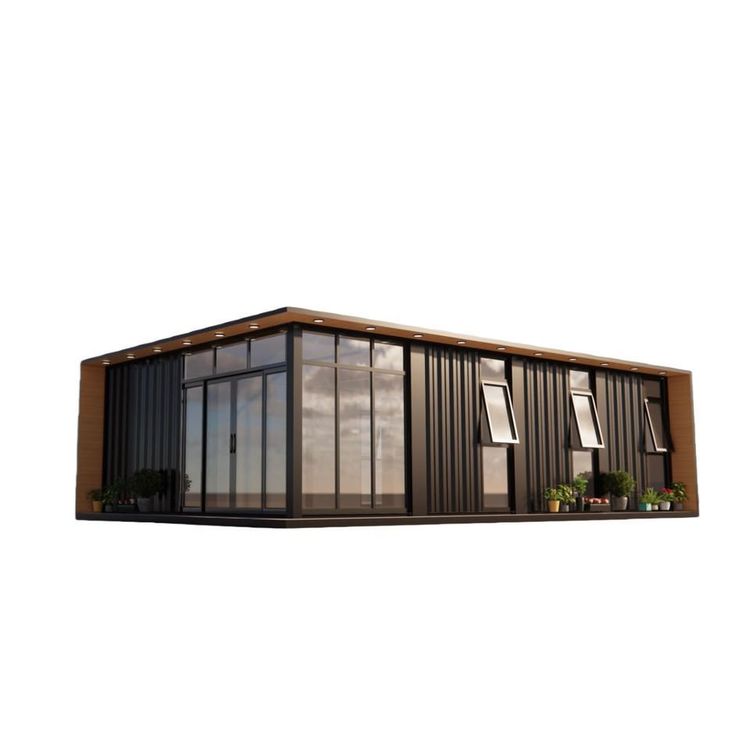
Multiple references in the information involve container-related services. For example, 'Jinhua Cabinet Types' offers container rental services, and 'Haidong Mobile Storage' includes the rental of electronic smart lockers and storage cabinets. This indicates a market demand for container house rentals in scenarios such as temporary housing, temporary storage, and mobile offices. The development of the mini program should focus on convenience and visualization, meeting users' needs for a fully online process including quick inquiries, reservations, and payments. At the same time, it should showcase the internal structure, supporting facilities, and applicable scenarios of container houses through images and videos to enhance users' decision-making confidence.
II. Core Functional Module Design
Property Listing and Search
- Support filtering container houses by region, house type, price, rental period, and other criteria. For example, information about the 'Container Building' community can be integrated as property tags.
- Provide 3D panoramic viewing or VR viewing functions to compensate for the mini program's inability to directly display physical houses.
Online Reservation and Rental Management
- Users can submit rental applications, select start and end dates, pay deposits, and the system automatically generates electronic contracts.
- The merchant side needs to have order management functions, including reviewing applications, arranging deliveries, and handling rent returns.
Service Evaluation and Community Interaction
- Referring to the 5 evaluations of 'Jinhua Cabinet Types', the mini program should have a built-in rating system that allows users to upload real photos and write usage experiences.
- Add a forum or Q&A section to answer users' common questions about container house renovations and compliance.
III. Technical Implementation and Compliance
Development Framework Selection
- Use native WeChat mini program development or cross-platform frameworks (such as Taro, Uni-app) to ensure compatibility across multiple terminals.
- Integrate map APIs (such as Tencent Maps) to implement property location marking and navigation functions.
Data Security and Compliance
- User identity authentication should comply with the Cybersecurity Law, using dual verification of phone numbers and real-name authentication.
- The electronification of rental contracts should comply with the Electronic Signature Law. It is recommended to interface with third-party electronic contract platforms (such as Fadada).
- Referring to the case of the 'Bijie City Qixingguan District Party Secretary's Message Board' in Guizhou Province, the mini program should clearly inform users of the compliant usage scope of container houses (such as not building or altering them without authorization) to avoid legal risks.
IV. Operation and Promotion Suggestions
- Initially, cooperate with local temporary housing suppliers to offer exclusive properties to attract user registrations.
- Refer to the promotion model of the 'Tongcheng Yiliang Circle' mini program, acquiring traffic through a combination of offline ground promotions (such as at construction sites and exhibitions) and online community fission.