Container House Renovation
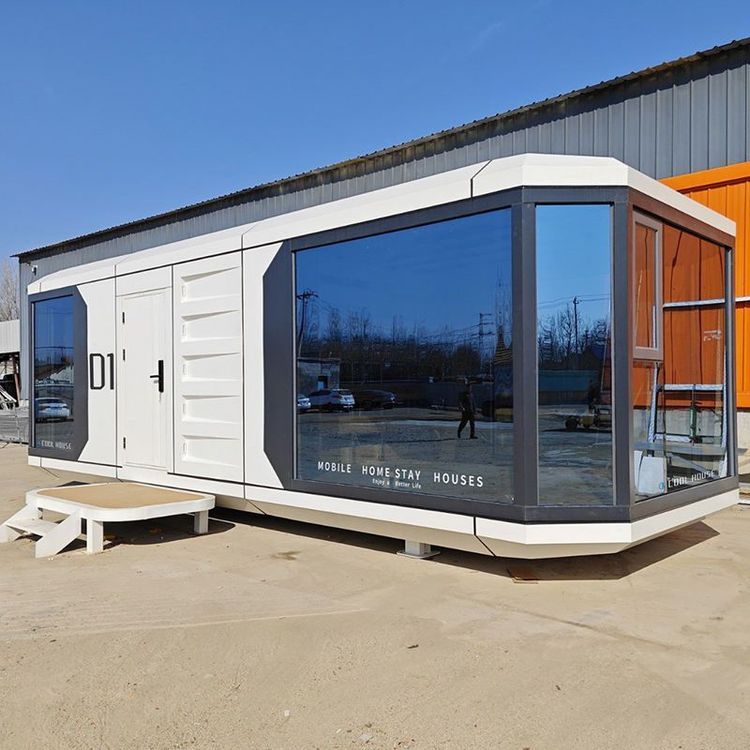
Container houses are architectural forms that use containers as basic structural modules and are renovated for habitation or office use.

I. Common Application Scenarios
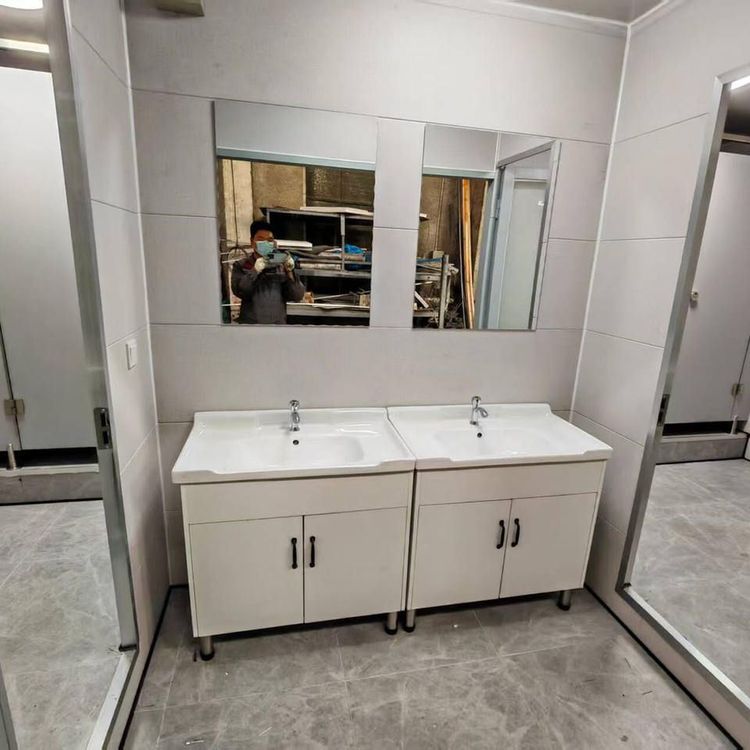
Container-renovated houses are widely used, commonly serving as worker dormitories on construction sites and as rental properties. In the field of temporary housing, their rapid construction capabilities meet urgent needs. In creative spaces, they can be transformed into unique bed-and-breakfasts, art studios, etc., such as the container B&B scenic area in Shanting District, Zaozhuang City, Shandong Province, China. In post-disaster emergency construction, container houses can quickly provide medical and residential facilities, playing a crucial role. Innovative applications also exist in the commercial sector, such as brands transforming them into 24-hour self-service fitness pods. Large-scale events also utilize container houses, such as the 2026 Nagoya Asian Games in Japan, which used them to form the Athletes' Village.
II. Diverse Renovation Forms
Renovation methods are flexible and can be designed according to needs. For example, some are constructed by combining three containers, with two standard containers stacked vertically, one side cantilevered, and a custom-widened container placed underneath as the main body of the first floor. Stairs are built, and observation windows are embedded. The 138-square-meter interior is complemented by an equally sized outdoor space, with the flat roof transformed into a terrace and the cantilevered container forming a shaded corridor below. Another example involves a couple using two scrapped containers as the main body, spacing them out and building the middle section with wooden planks. They assembled wooden frames to secure both sides, laid wooden planks on the floor, completed the top gap frame, sealed the roof with oriented strand board, laid waterproof tarps, installed aluminum corrugated tiles after securing the wooden frame, and did the same for the roofs of both containers, leaving windows for ventilation.
III. Differences in Application Between Domestic and Foreign Contexts
In foreign countries, creative applications of container housing are widespread, often being renovated into green buildings or affordable housing. In China, with urban development needs, their application scope has expanded to office and commercial scenarios. However, there are also container-style蜗居 (cramped dwellings), mainly spurred by high urban housing prices. These are about 18 square meters in size, with simple internal facilities, rented out to low-income individuals as temporary or transitional housing, often without government permission and considered illegal structures. The 2026 Nagoya Asian Games used customized container houses as some of the athletes' dormitories. Although equipped with independent toilets, bathrooms, and other facilities, issues such as cramped spaces and simplistic facilities led to complaints from athletes.