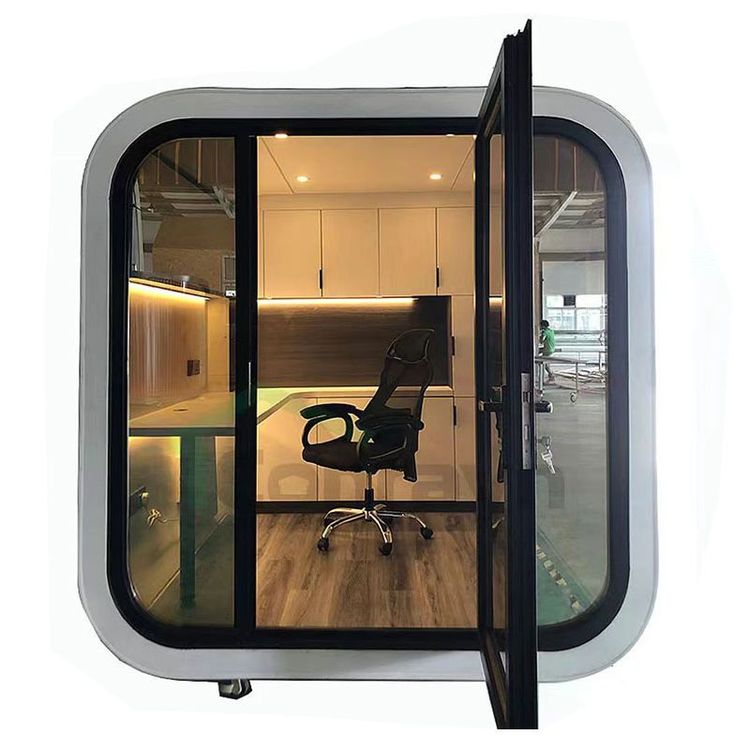
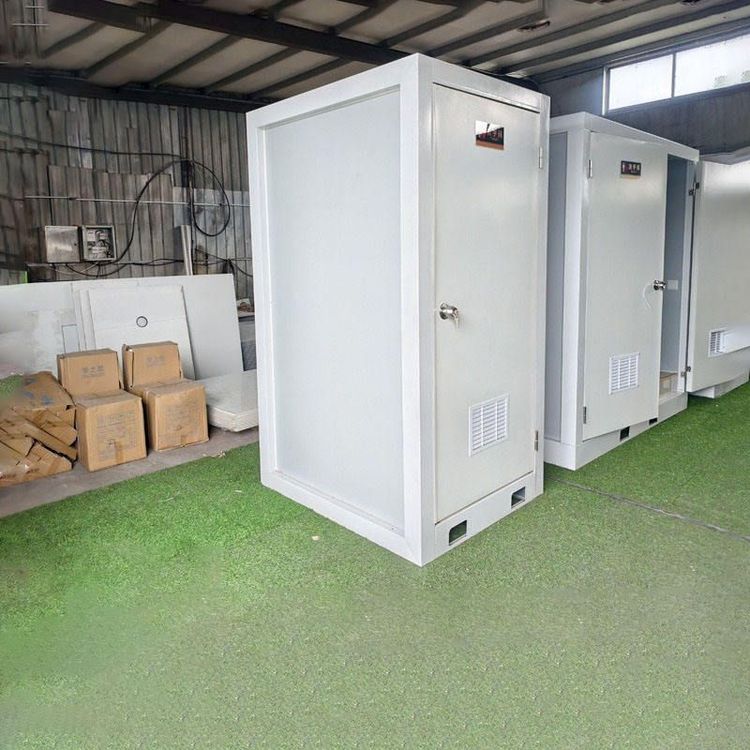
Relocation of Container Houses
If a container house needs to be relocated, it should be handled according to the nature of the house, property ownership, and the terms of the lease/purchase contract. The specific situations are as follows:

I. Handling Methods Determined by Property Ownership and Contract Type
Self-owned Property Houses If the container house is purchased by an individual or a company (e.g., a 40-foot shipping container house refitted by Qingdao Totem Container Co., Ltd., priced at 10,000 yuan; a detachable residential container by Zhejiang Xiaoya Prefabricated Building Co., Ltd., priced at 1,600 yuan), the property rights belong to the purchaser. No permission from others is required for relocation, but it is necessary to confirm whether the house structure allows for movement (e.g., welded fixed houses need to be cut and disassembled) and bear the costs of transportation, reinstallation, and possible losses.
Leased Houses If the house is leased (e.g., the leasing services provided by Shanghai Beihong Engineering Equipment Co., Ltd.), it should be handled strictly in accordance with the contract terms:
- Unexpired Contract: Early relocation may constitute a breach of contract, and a penalty or compensation for the remaining rent may be required (e.g., the contract stipulates that 'early termination of the lease requires payment of 2 months' rent as compensation').
- Expired Contract or Indefinite-term Contract: The relocation time can be negotiated with the lessor, and the house return standards should be confirmed (e.g., whether it needs to be restored to its original state and bear the costs of cleaning or maintenance).
II. The Nature of the House Affects the Relocation Process
Temporary Buildings If the container house is used as a temporary building (e.g., construction site dormitories, event exhibition halls), it is necessary to confirm whether a temporary building permit has been obtained. If the permit has expired or has not been approved, it is necessary to report to the urban management department when relocating to avoid being punished for 'unauthorized construction'.
Fixed Installation Houses If the house has become a permanent building through foundation fixing, water and electricity connection, etc. (e.g., the homestay container designed by Jiangsu Mingren Culture Technology Co., Ltd., which requires prior planning of water and electricity lines), relocation requires going through the demolition approval procedures and entrusting a professional team to disassemble the structure to avoid damaging surrounding facilities or causing safety hazards.
III. Handling Suggestions for Special Scenarios
Second-hand House Transactions If purchasing a second-hand container house (e.g., a 40-foot second-hand prefabricated house by Zhongxing Shengwang Integrated Housing Technology (Suzhou) Co., Ltd., priced from 4,576.06 yuan), it is necessary to clearly specify the clause of 'the seller assists in disassembly/transportation' in the contract to avoid difficulties in relocation due to house aging.
Property or Community Restrictions If the house is located in a closed area such as a residential community or an industrial park, it is necessary to communicate with the property management in advance to confirm the transportation time, route, and requirements for noise and dust control to avoid disputes.