Container House Ready to Live In
Container houses can be directly inhabited after appropriate decoration and configuration. Here are the specific details:

Diverse decoration plans to suit different needs
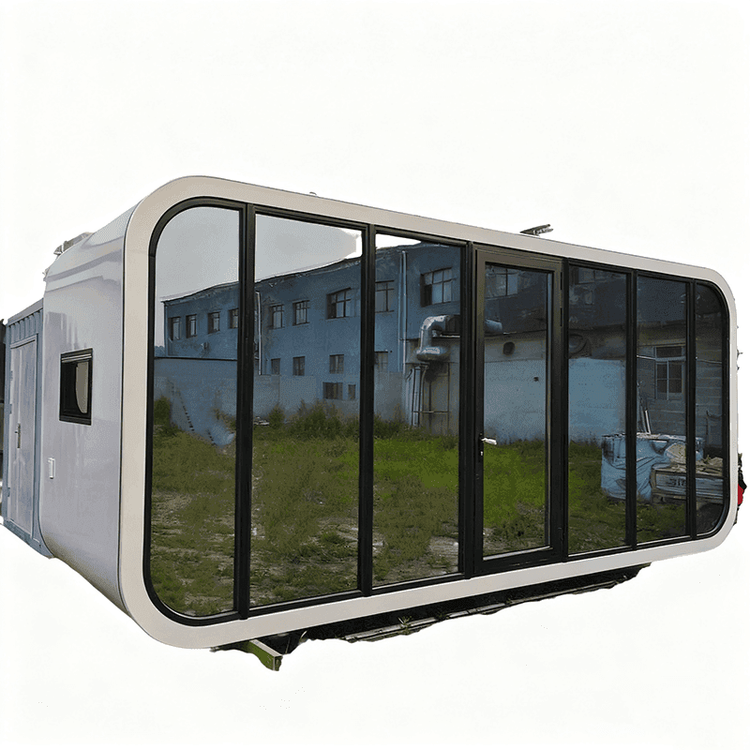
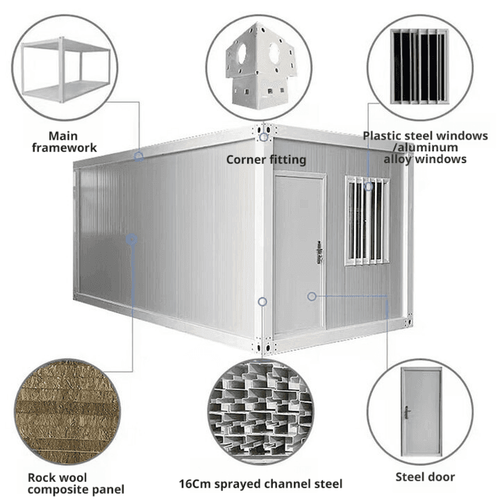
The interior decoration of container houses supports multiple plans that can be customized according to usage scenarios and requirements. For example, for basic needs such as construction site dormitories, a simple decoration plan can be adopted: wall panels are installed on the walls, and basic infrastructure such as switches and sockets are provided to meet basic living functions. For high-end bed-and-breakfasts or long-term living scenarios, more complex decoration plans can be chosen, including ceiling installation, wooden floor laying, integrated bathroom design, and reserved positions for air conditioners and hot water equipment to enhance living comfort. This flexibility enables container houses to adapt to a variety of needs ranging from temporary living to long-term residence.
Factory prefabrication reduces on-site construction
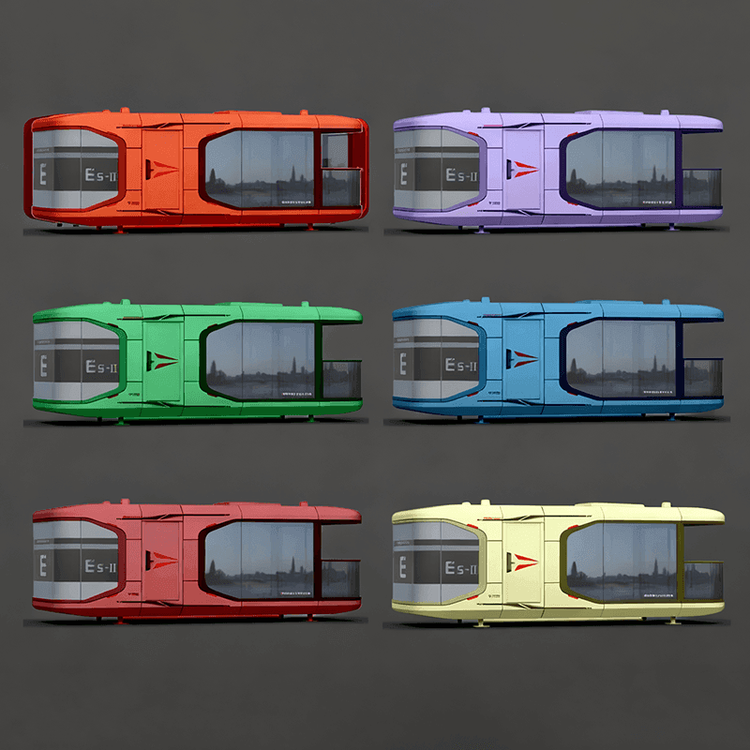
Most of the interior decoration work for container houses is completed in the factory, including details such as wall materials, floor styles, and lighting styles, which can be customized in advance. Factory production not only improves decoration efficiency but also controls quality through standardized processes, reducing noise and dust pollution caused by on-site construction. Customers only need to select their preferred decoration style from the options provided by the factory, and both interior and exterior decoration can be customized simultaneously, shortening the overall delivery cycle.
Ready for occupancy after simple water and electricity connections on-site
Since the interior decoration work has been completed in the factory, container houses only require simple water and electricity connections upon arrival at the site to be put into use. This process typically includes connecting external power and water sources, debugging bathroom equipment, air conditioners, and other electrical appliances to ensure all systems are functioning properly. For houses already equipped with basic furniture and appliances, users can even move in their personal belongings directly and start living without waiting for additional decoration periods or dealing with construction leftovers.
Quality control and enhanced environmental protection
The factory prefabrication model makes the use of decoration materials and the workflow more transparent, facilitating quality monitoring. For example, environmentally friendly products can be selected for wall panels and floors to reduce the release of harmful substances such as formaldehyde; hidden projects such as electrical circuits and water pipes can also reduce safety hazards through standardized factory installation. In addition, modular design facilitates later maintenance and upgrades, further extending the service life of the house.