Prospect Analysis of Container Houses
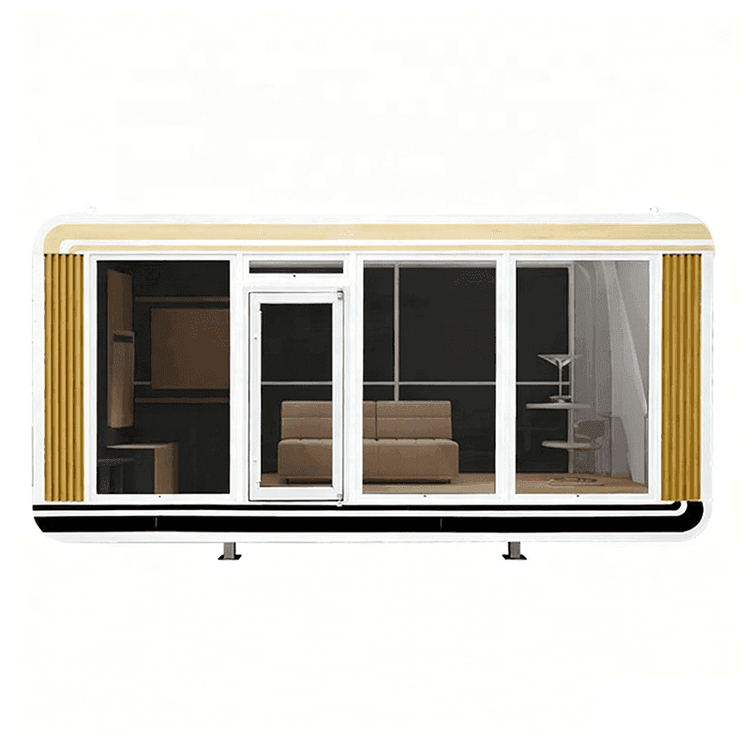
Container houses (quick-assembly container houses) have a broad prospect, showing a diversified and positive development trend.
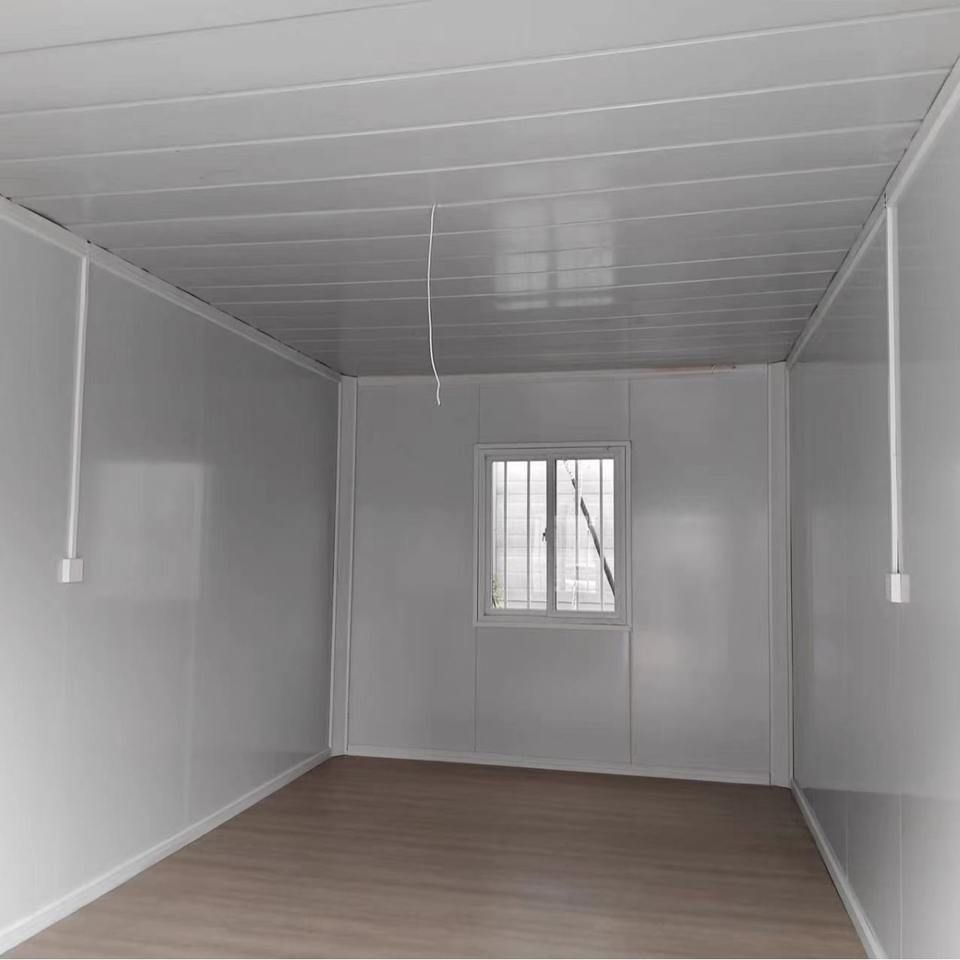
Sustained growth in market demand: The acceleration of urbanization has made land resources scarce. The characteristics of container houses, such as low cost, rapid construction, and mobility, offer great potential in fields like emergency rescue, post-disaster reconstruction, and temporary on-site accommodation. With the recovery of the tourism and leisure market, consumers' demand for personalized accommodation is increasing. Container houses can be used in scenic hotels, campsites, etc., and market demand will continue to grow. Meanwhile, the rise of customized demands, from spatial partitions to decorative styles, can be tailored according to individual needs, bringing new opportunities to the market.
Technological innovation drives development: The application of new building materials, such as lightweight high-strength panels and composite wall materials, has improved the thermal insulation, heat insulation performance, and durability of houses, reduced energy consumption and carbon emissions, and met the requirements of green buildings. Intelligent design, using BIM technology and computer-aided design, has improved construction efficiency and quality, and can also be customized according to customer needs to meet the requirements of different scenarios.
Policy support provides guarantees: With the global emphasis on green buildings and sustainable development, governments around the world have introduced relevant policies to support the development of green buildings, and container houses, as a low-carbon and environmentally friendly building form, will benefit. In China, the construction of new urbanization requires a large number of housing, public facilities, and commercial buildings, and container houses can meet these needs with their unique advantages.
Market competition brings challenges and opportunities: As market competition intensifies, enterprises need to strengthen technological innovation, optimize product design, and improve service quality to gain an advantage. From a global market perspective, the container house market in developing countries and regions has huge potential, and Chinese enterprises can actively expand overseas markets to achieve international development.
Clear industry trends in 2026: The application scenarios will expand to commercial operations, such as container commercial streets, etc., and purchasers will pay more attention to spatial profitability. The purchase of single containers will shift to multi-container combinations and two-story buildings, and the design focus will shift to the overall structure. Purchasers hope to shorten on-site construction time, and the demand for factory assembly is increasing. At the same time, purchasers are paying more and more attention to the full-cycle cost and are no longer just concerned about the price.