Do Container Houses Have Property Rights?
In most cases, container houses do not possess traditional property rights. The following provides a detailed explanation from different perspectives:

No Property Rights in General Cases
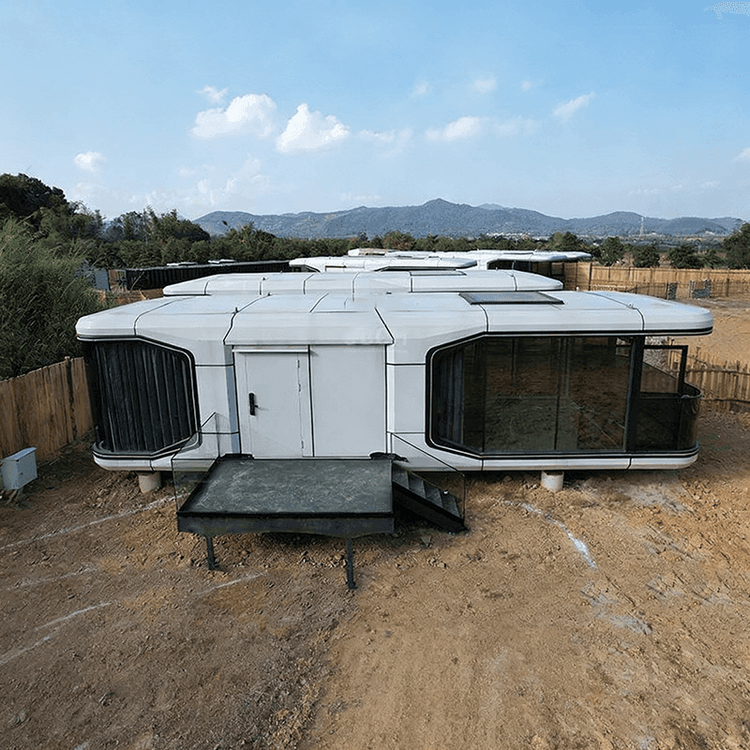
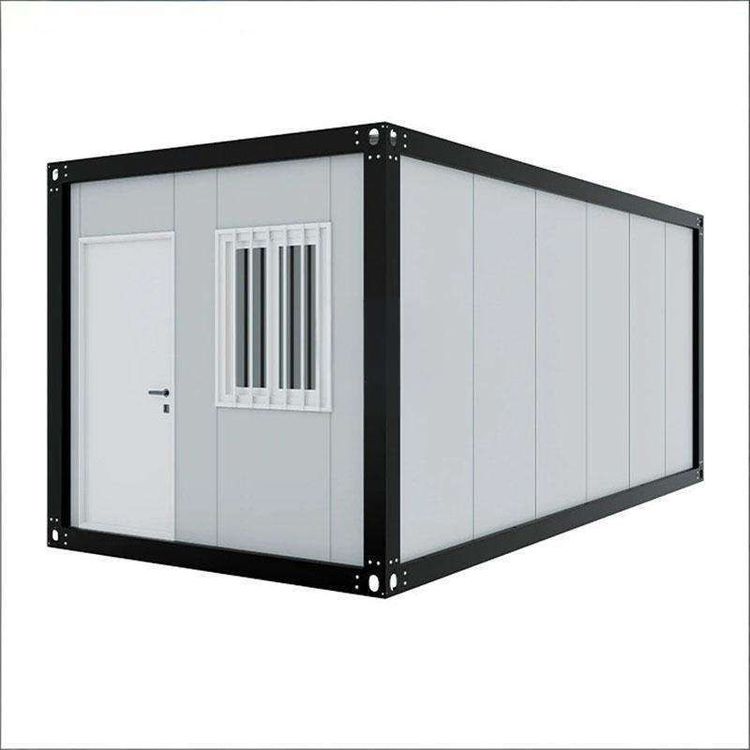
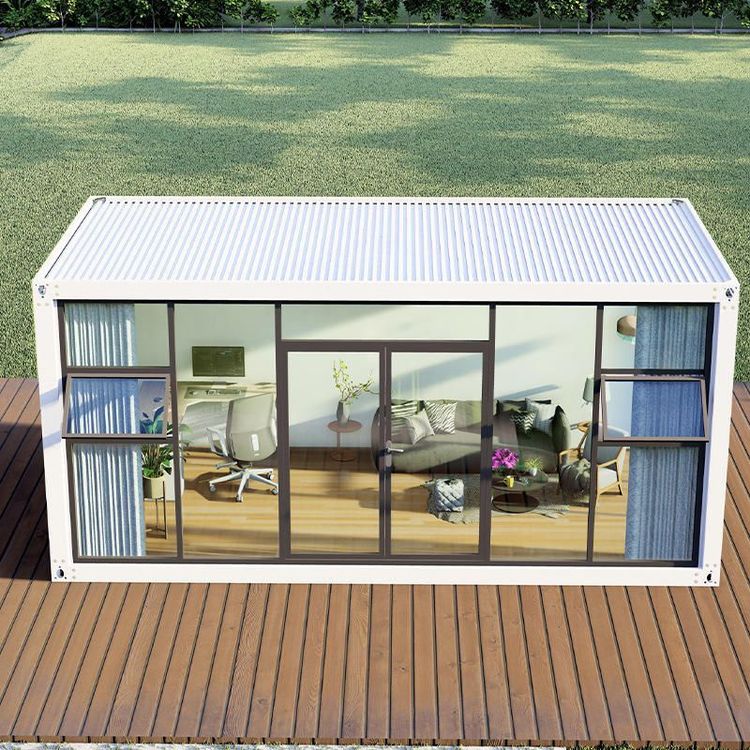
Container houses are temporary or movable structures, originally designed to provide short-term living or working spaces. They lack the fixed characteristics of traditional real estate. The process of obtaining traditional property rights for a house typically requires a fixed geographical location and a relatively stable structure to meet the needs of long-term residence or use. However, container houses can be moved and rearranged according to actual needs, and this flexibility makes them incompatible with the basic requirements for obtaining property certificates.
Additionally, container houses are often placed on leased land or construction sites, which are not privately owned, thus limiting land use. The process of obtaining a property certificate involves not only the house itself but also the land use rights. Due to the issue of land ownership, container houses built on non-privately owned land usually do not require property registration.
Potential Property Registration in Specific Cases
If a container house undergoes modifications and reinforcements to meet local standards for permanent buildings, the situation changes. When the land has legal planning approval, the construction of the container house has obtained relevant construction planning permits, or it is located on legally acquired land and has completed a series of approval procedures such as project initiation, planning, and construction in strict accordance with local construction management requirements, and has been included in the local real estate management system, then it may be necessary to obtain a real estate certificate or a similar property certificate.
The purpose of obtaining a property certificate is to confirm the legality and ownership of the house. In such cases, the container house has transformed from a temporary structure into a permanent one with fixed characteristics and legality, meeting the requirements for property registration. However, such situations are relatively rare and require meeting multiple strict conditions, including land use, building planning, and construction approval.